A necklace made from hand dyed buttons in a kit by Sewgirl containing everything you need to make a lovely unique and colourful accessory.
So you may have bought a Sewgirl kit and need a bit more help with making it.
Here is a little how to video…

A necklace made from hand dyed buttons in a kit by Sewgirl containing everything you need to make a lovely unique and colourful accessory.
So you may have bought a Sewgirl kit and need a bit more help with making it.
Here is a little how to video…
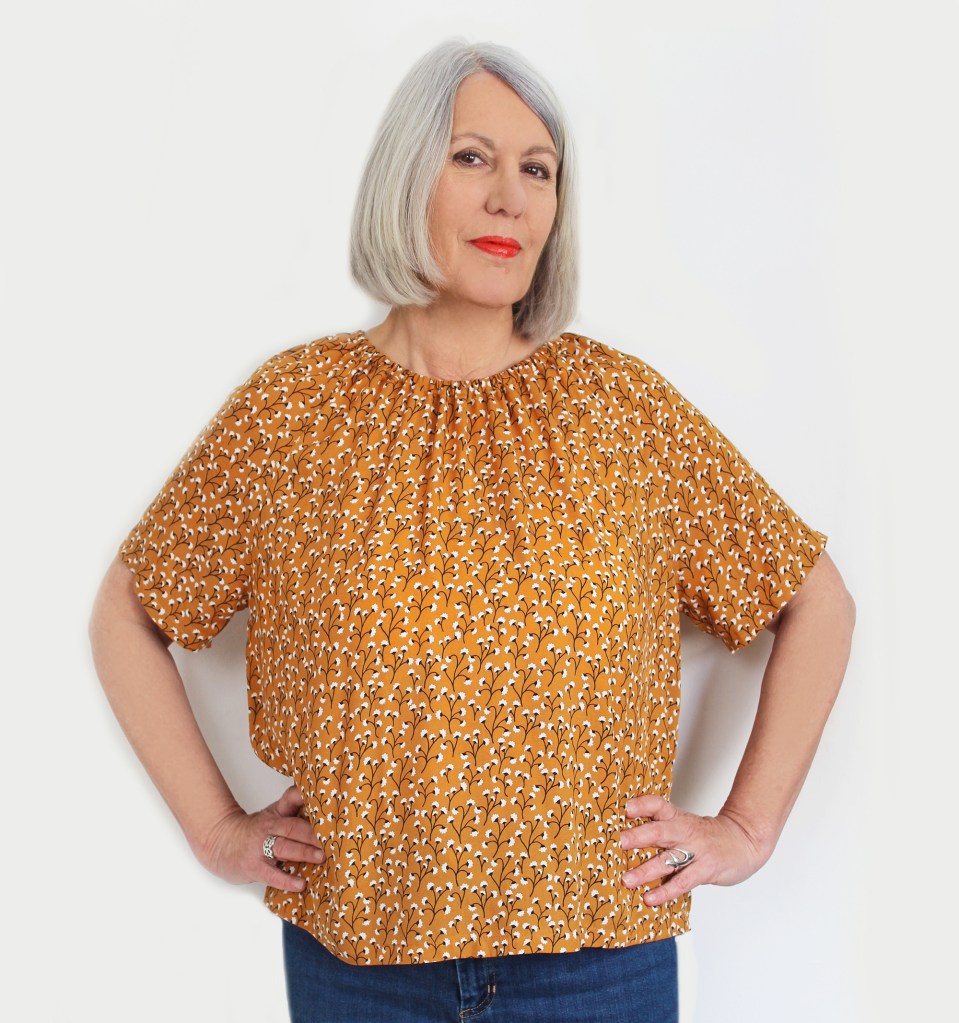
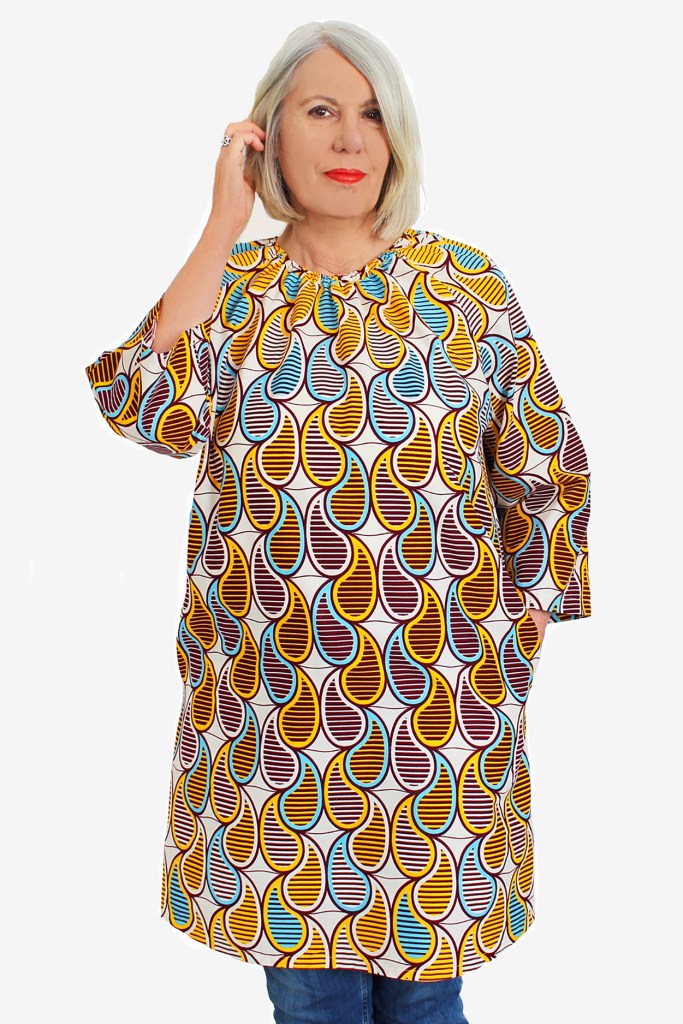
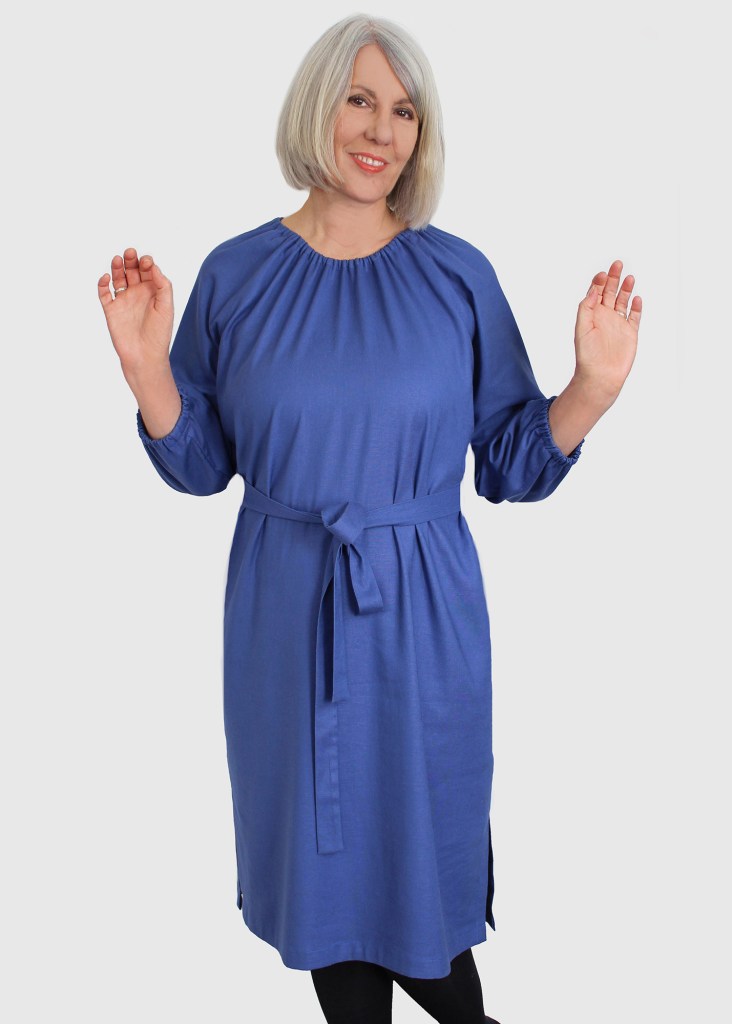
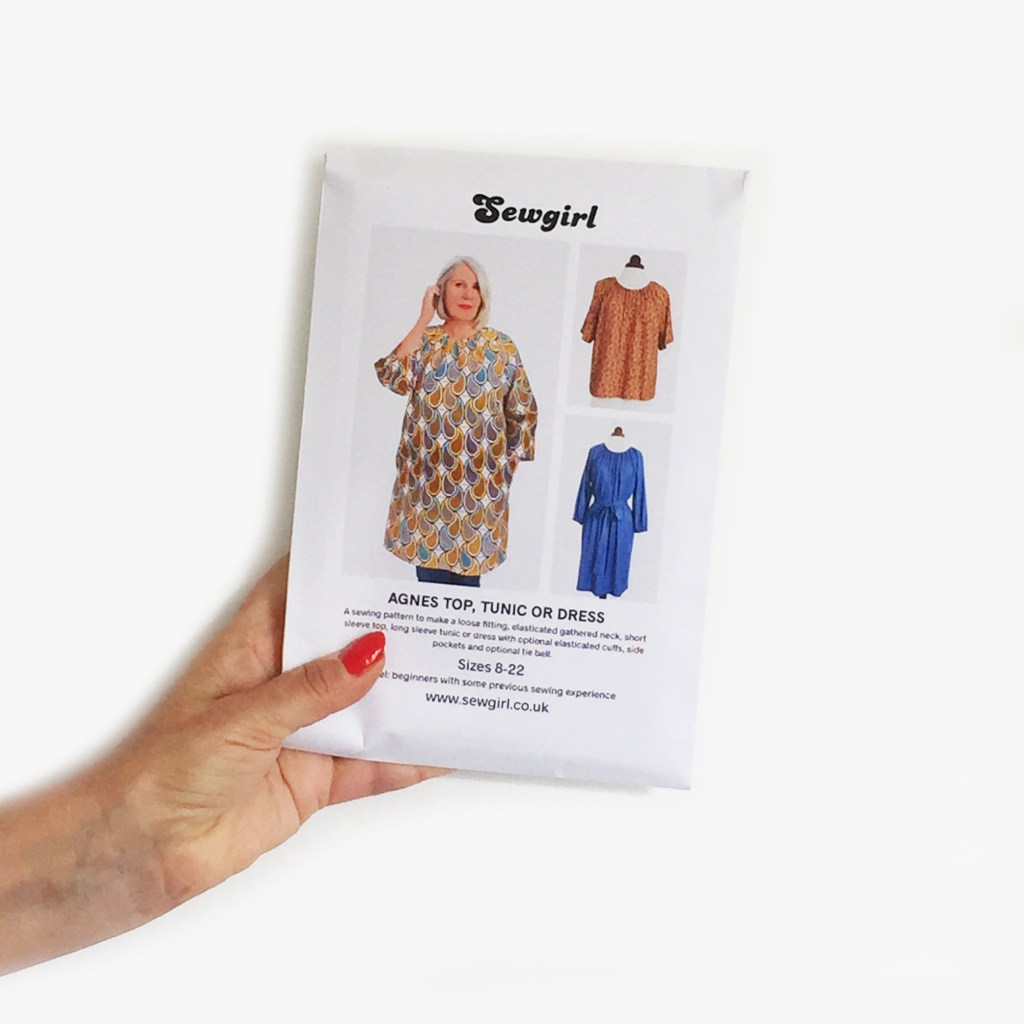
May I present Agnes? Another fabulous dressmaking pattern from the House of Sewgirl (fanfare please!).
This is a wonderfully simple, yet versatile sewing pattern, to make a top, tunic or dress which can be made in a variety of fabrics and style options, in sizes UK 8 to 22.
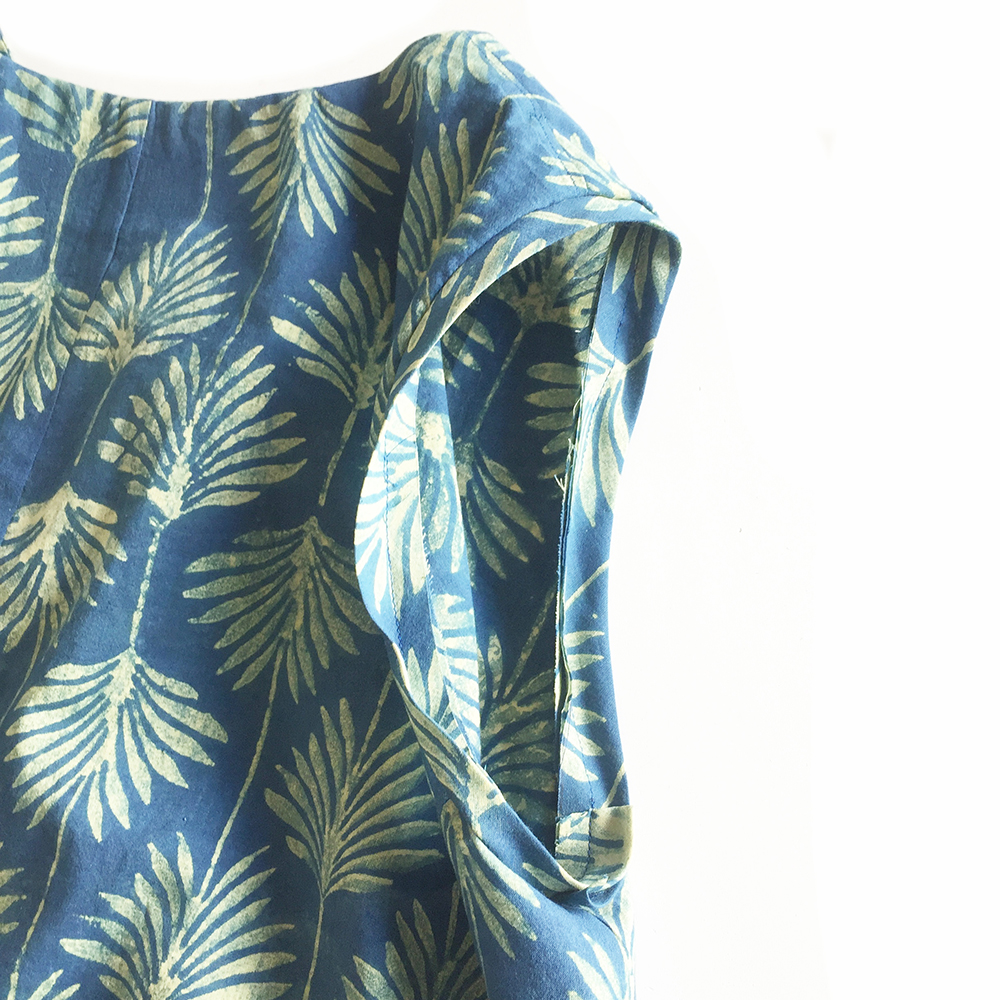
Agnes has a gathered elasticated neckline which you can adjust to suit you, with easy insert raglan style sleeves and a loose fit, so it’s extremely comfortable and flattering to wear. I imagine this would be an ideal holiday item of clothing, however its also great for everyday wear too.
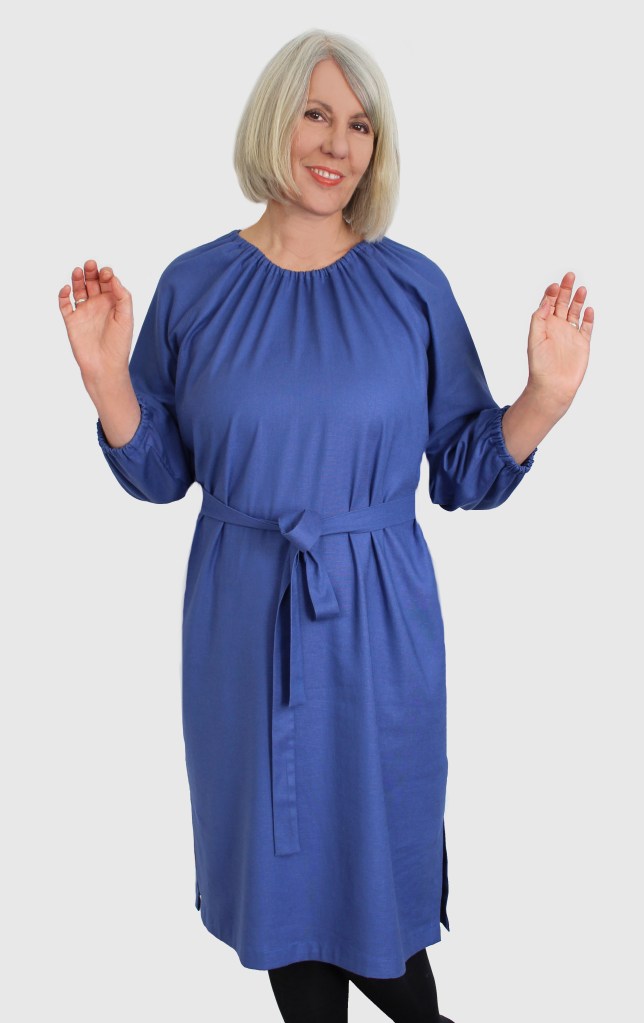
The dress (Version C-with an optional tie belt) can be made to look very chic, depending on the fabric you choose. I made the blue version in a linen/viscose stretch fabric, it also works well with medium or lightweight cotton, viscose fabric (see the Top Version A pic), lightweight linen or denim chambray.
Agnes top is great worn with jeans and the tunic with jeggings is also a winning team, or if you want a cool summer look, pop on the tunic dress with tights or bare legs and a pair of sandals and off you go.
Agnes has two lengths of sleeves which allow you to mix and match with each style. The long sleeves can be made with elasticated cuffs or left just hemmed. The tunic (Version B) has side pockets which you could also have on the dress if preferred.
Here is some info about sizes, finished garment measurements and fabric requirements.
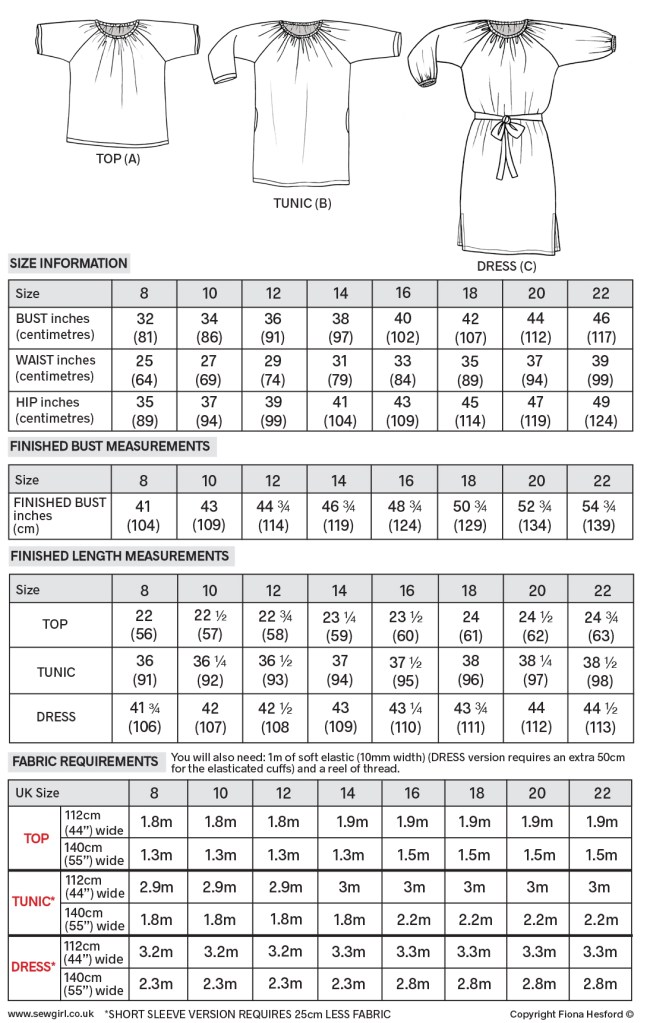
PLEASE NOTE: that if you are making a Dress version with fabric 140cm wide and don’t mind having a back seam on your Tie belt, then you can save at least 50cm on the fabric requirements by cutting two belt pieces across the width of the fabric following the 140cm wide Layplan. Join the Tie belt pieces together at the short edges to make one long piece.
So maybe you might like to know where the name Agnes came from?…. weeelllll……… when I lived in Paris (back with the age of the dinosaurs ha ha!), there was a French fashion designer called Agnes B. She hit the French fashion world, changing it forever. We all fell in love with her simple understated, yet very Parisian chic style. She became one of my fashion heroines. I loved the name so much that I gave it to my daughter as her middle name. And now Agnes has joined the Sewgirl family.
THIS IS HOW AGNES IS MADE
The seam allowance is 1.5cm (5/8″).
Please note the pattern also states a 1cm (3/8″) seam allowance but this is not correct.
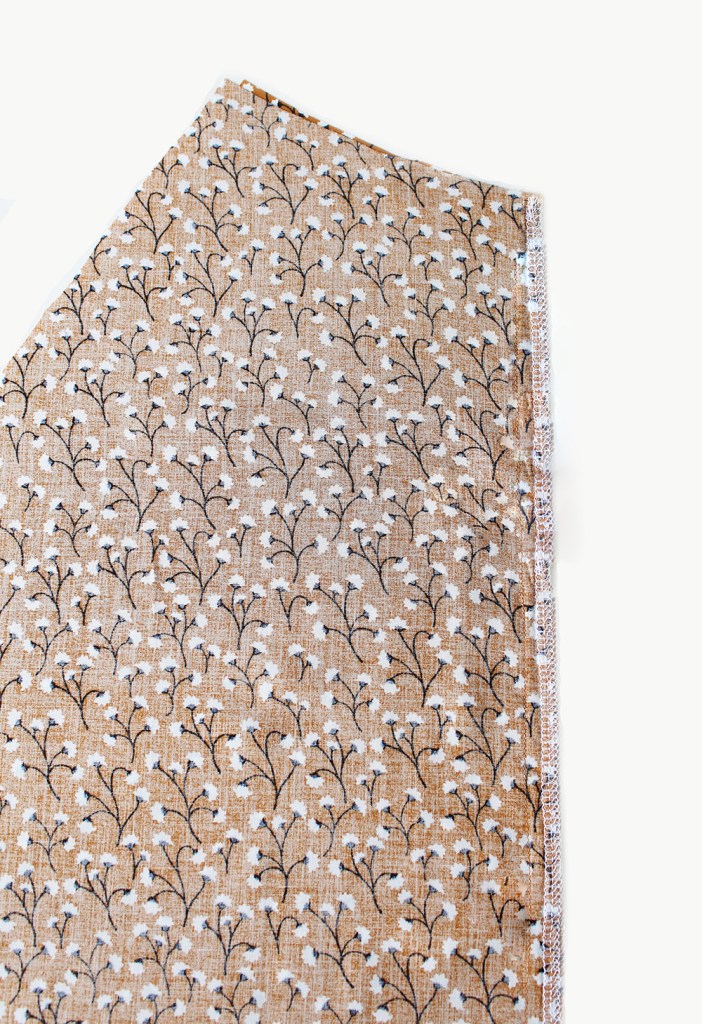
POCKETS (Tunic B version)
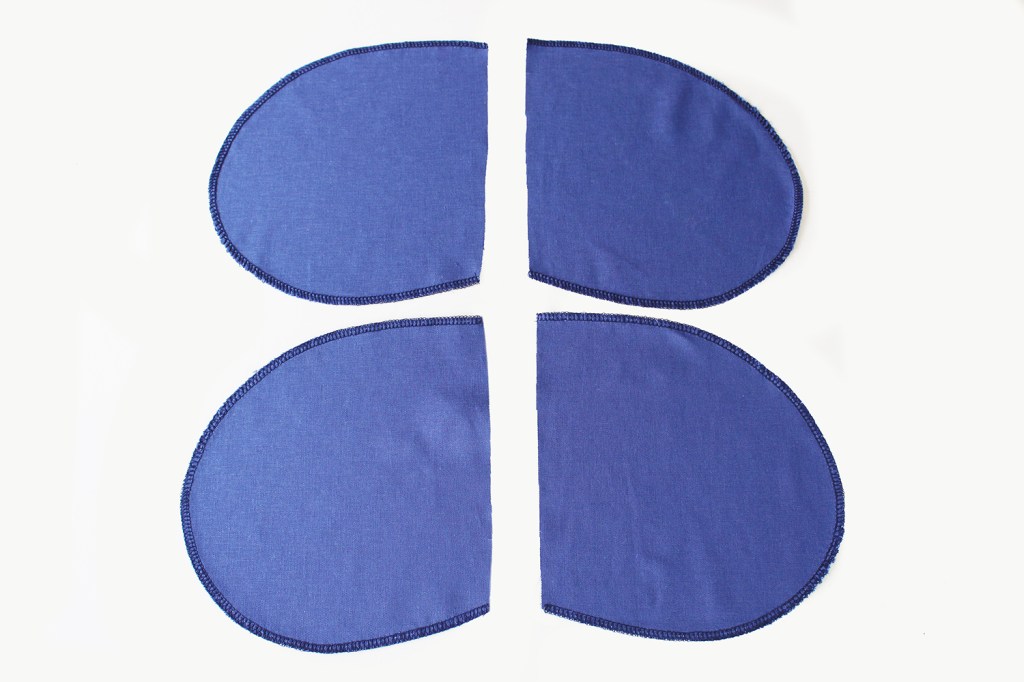
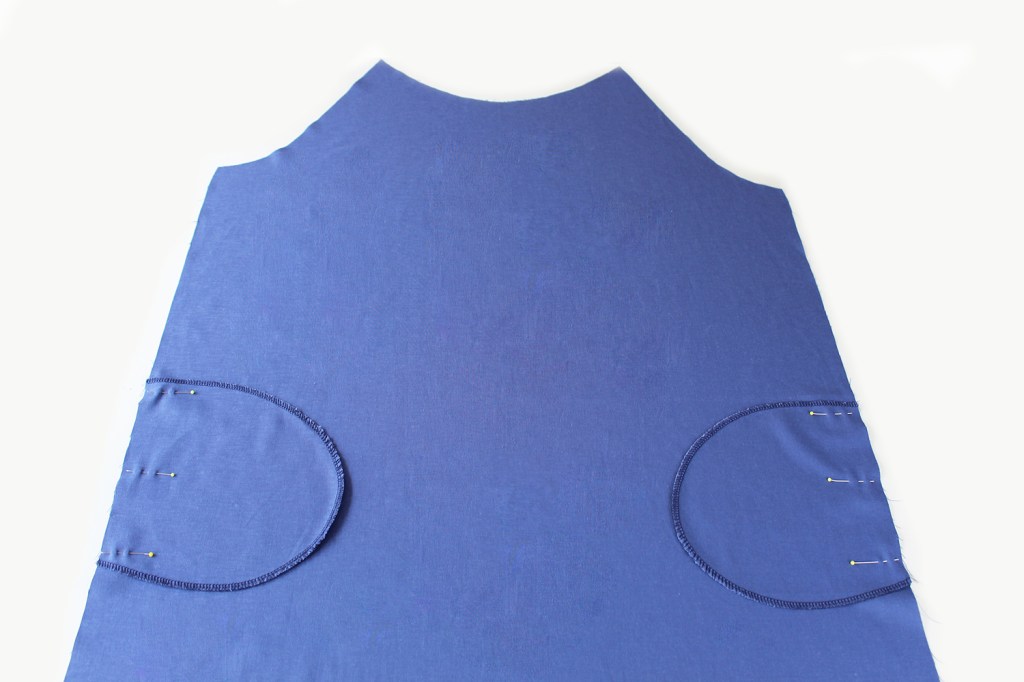
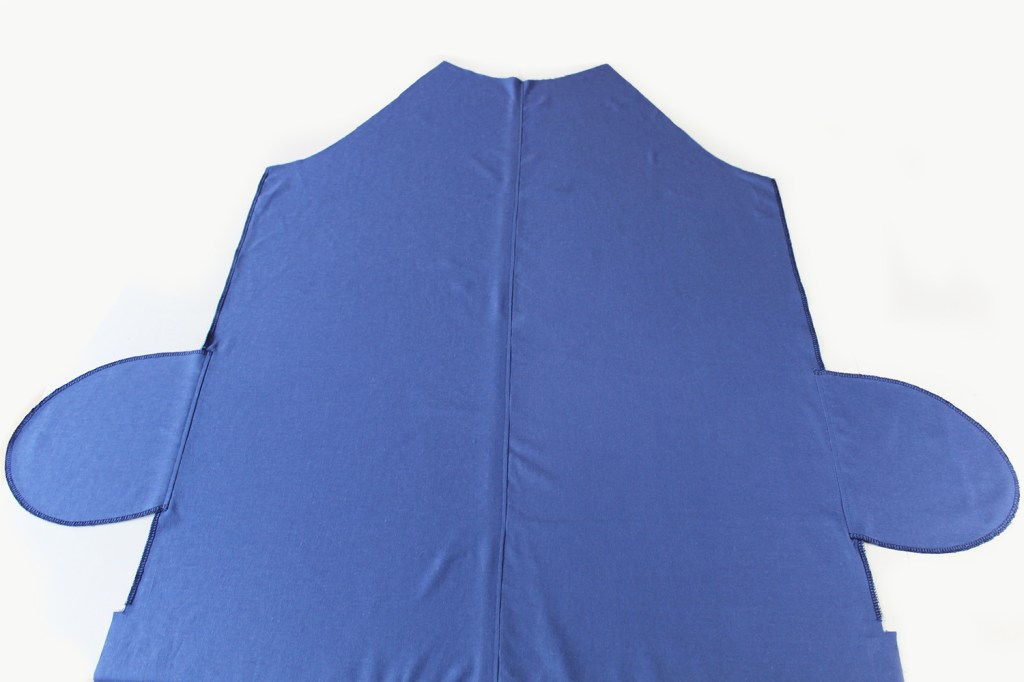
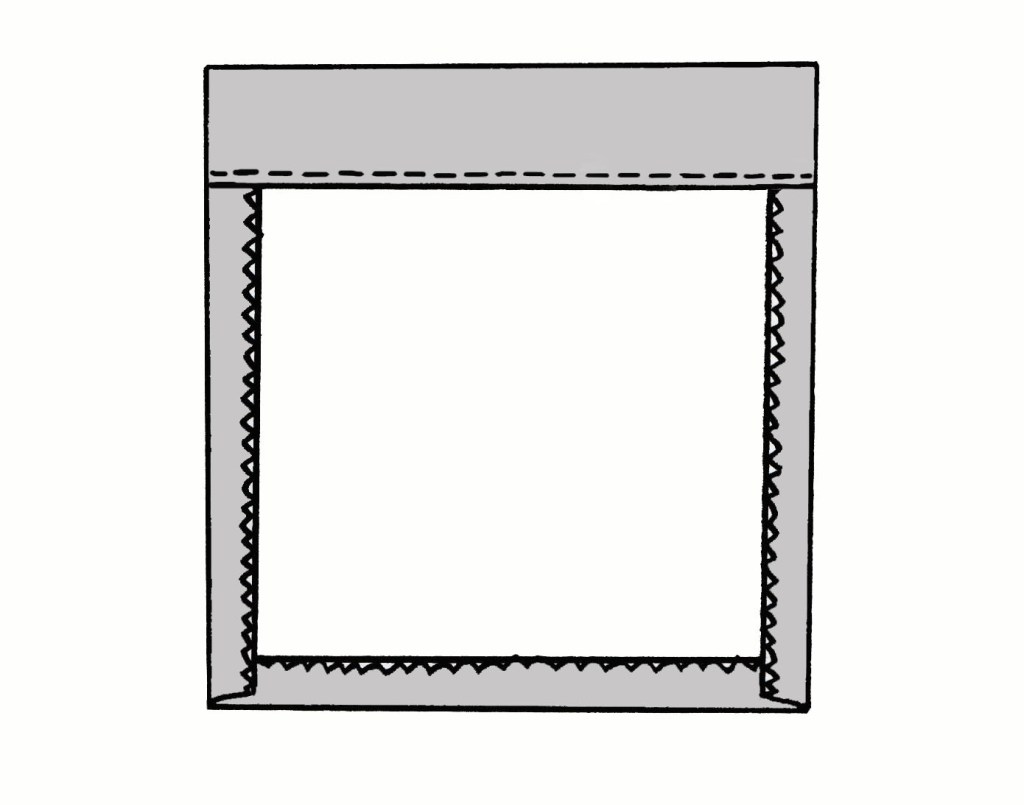
Finish the outer raw edges of the pockets if you have an overlocker- if you don’t have one – no worries! just leave the edge finishing bit until the end.
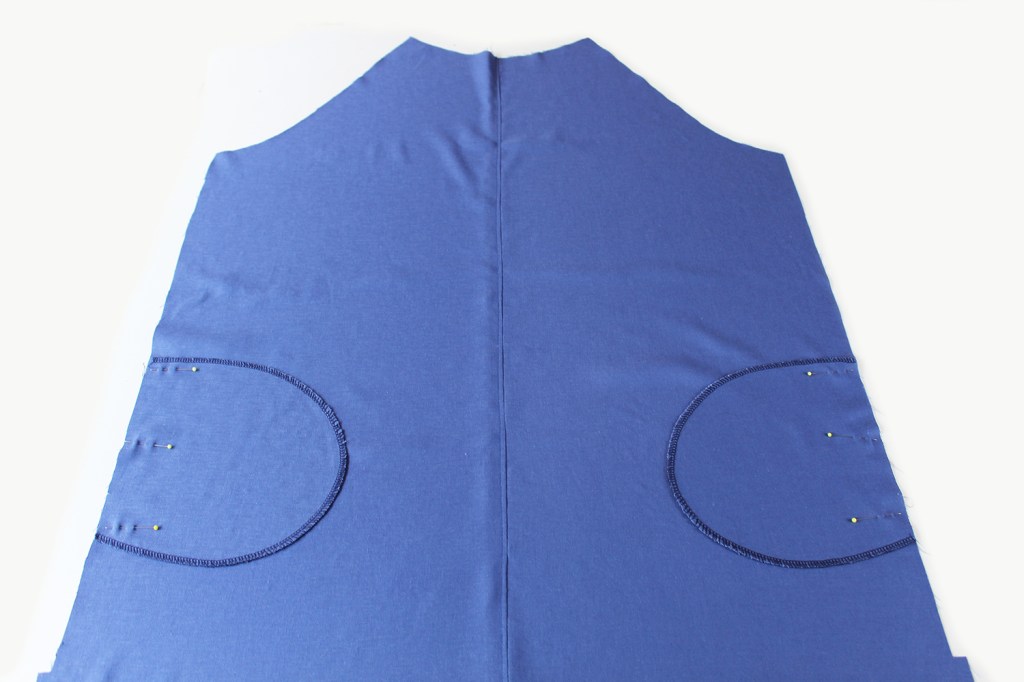
Pin one pocket at each side edge with the right sides of the fabric facing together. Sew. Press the pocket outwards, away from the body. Topstitch.
Pin the front to back at the side edges. Sew.
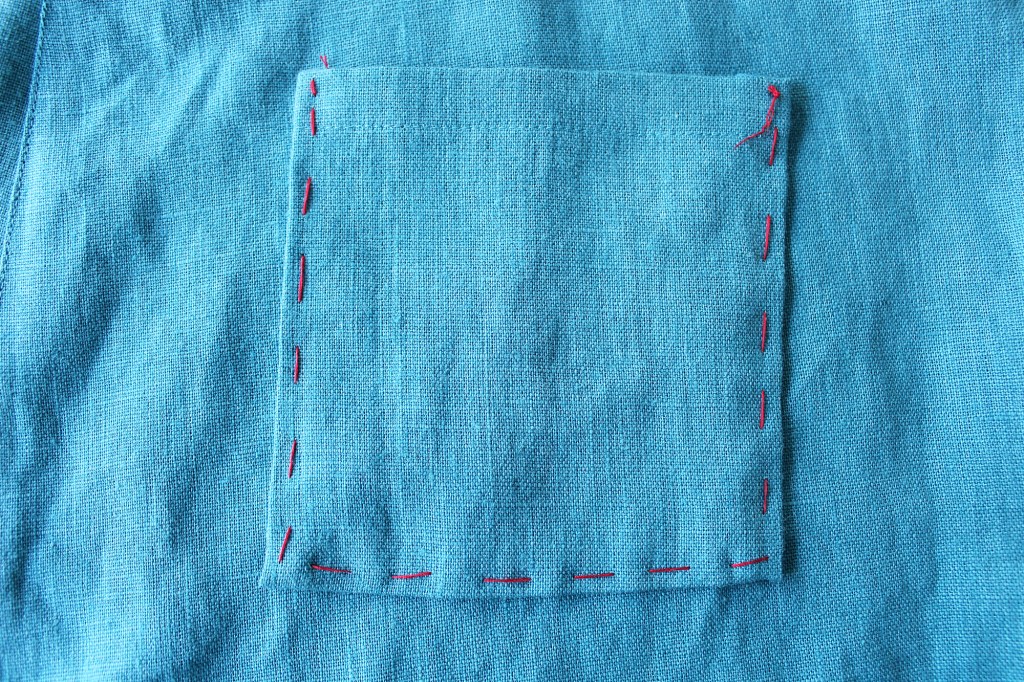
For the TUNIC only, sew around the pockets as you go.
Finish the edges together.
If making the DRESS, you will need to leave the lower side edge below the notch on each side open at this stage. See ‘SEWING THE SIDE SLIT’ section below for instructions.
SEWING THE SLEEVES
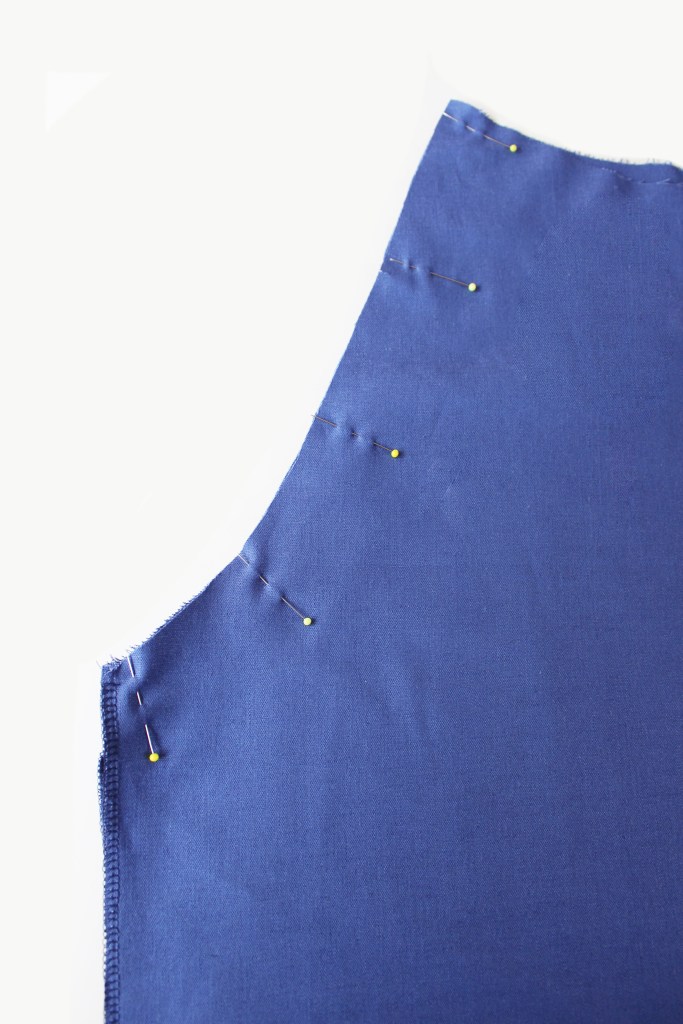
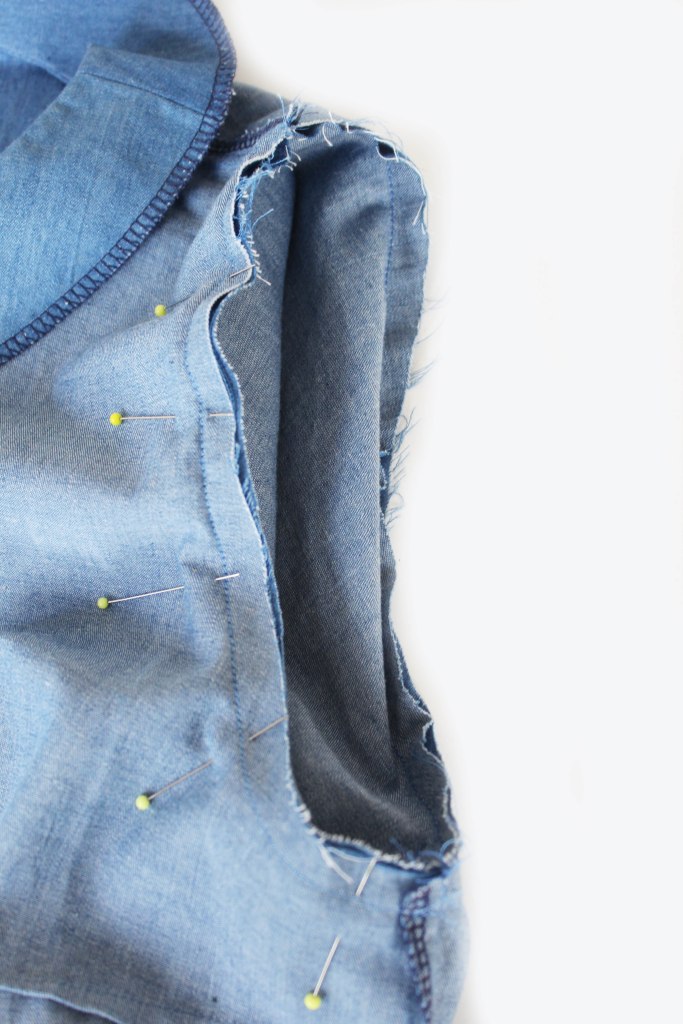
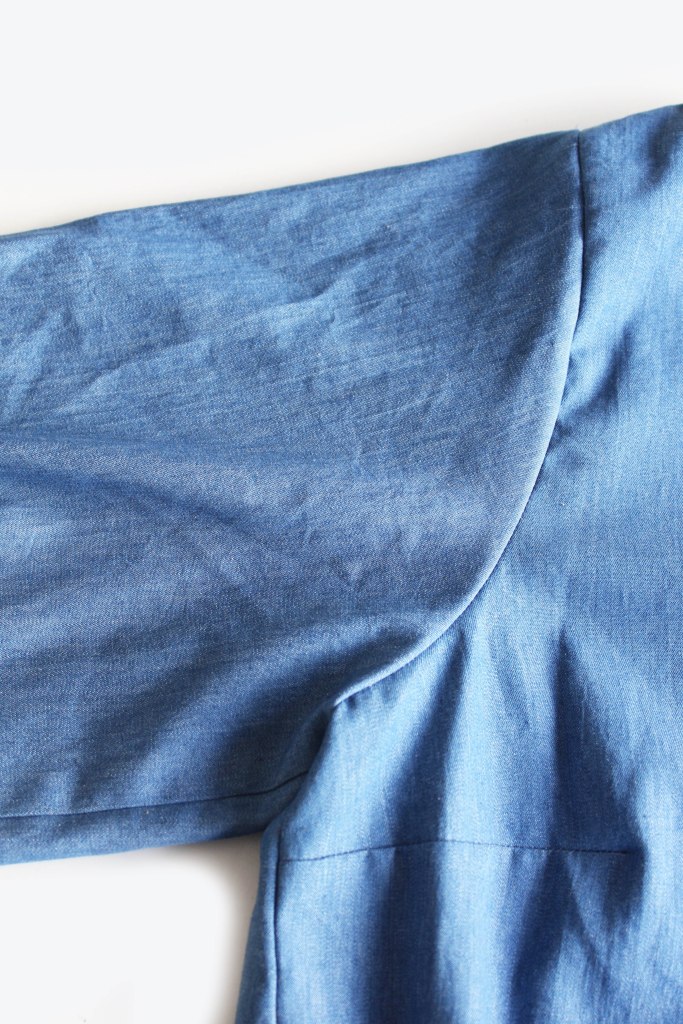
Pin, then sew the front sleeve slanted edge, to the front piece at each side. Press the Sleeve outwards with the seam allowance pressed towards the Sleeve. Topstitch.
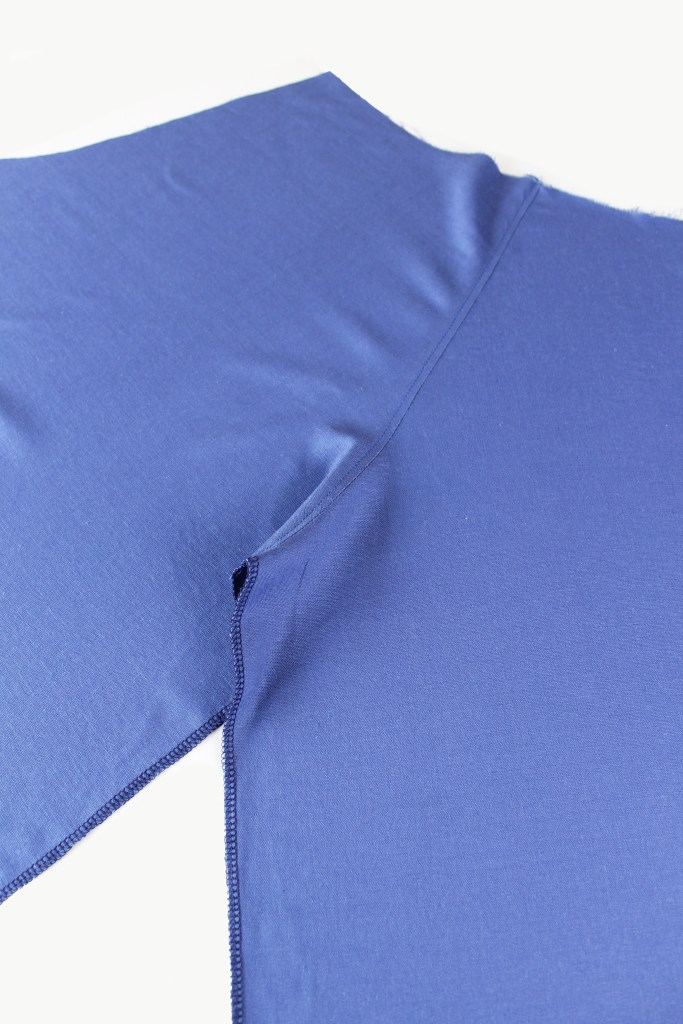
Repeat for the back sleeve with the back piece.
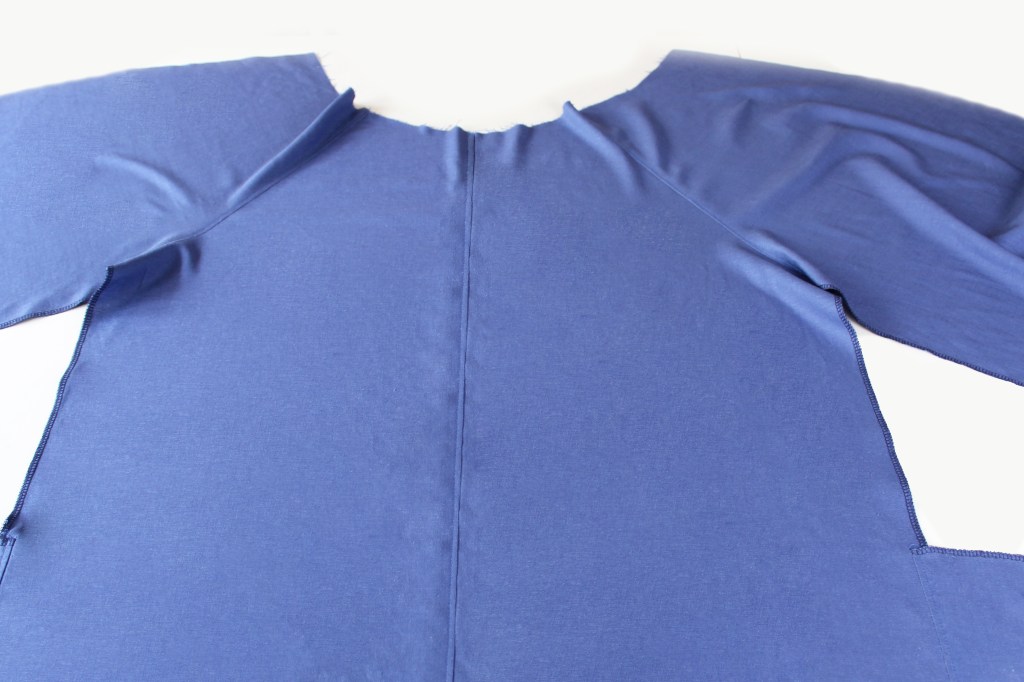
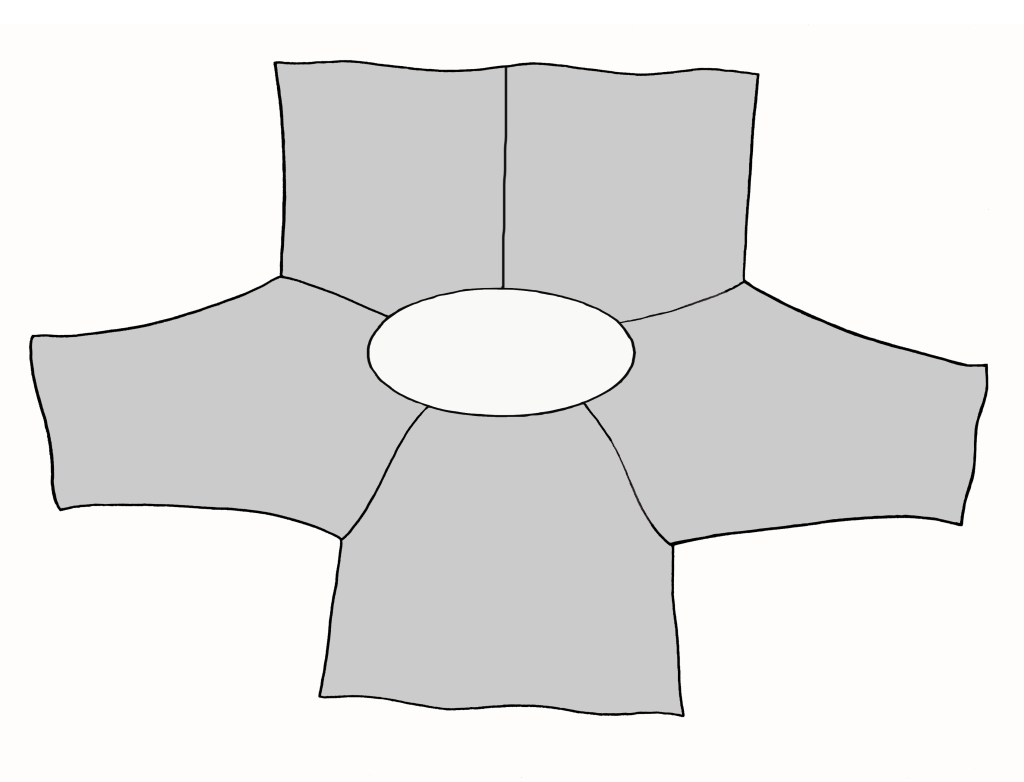
MAKING THE NECKBAND–METHOD 1-(if you don’t have an overlocker)
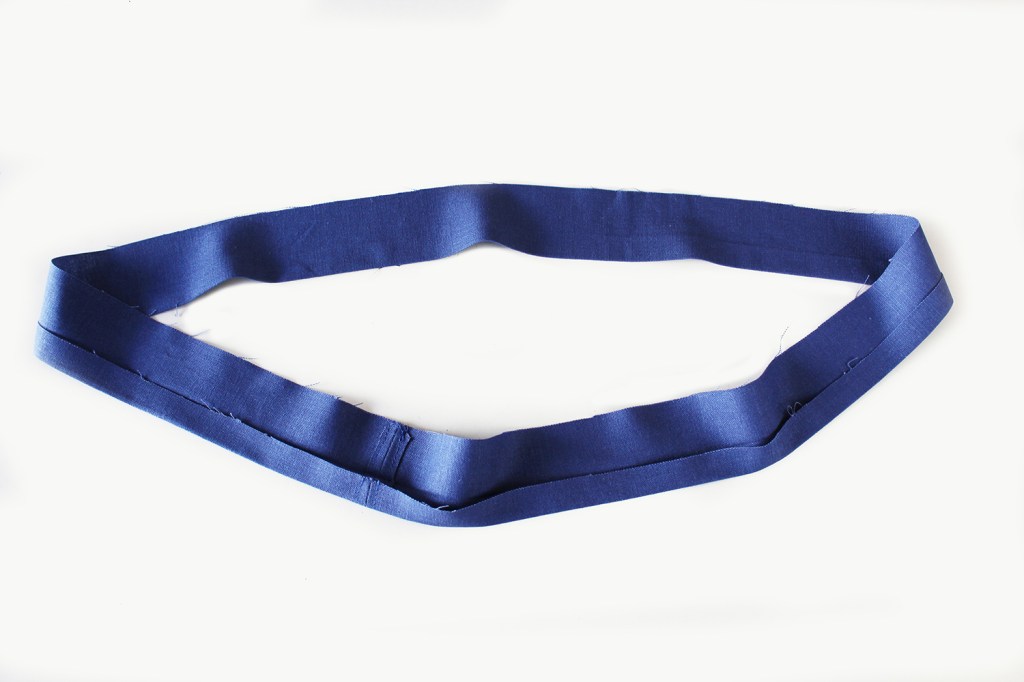
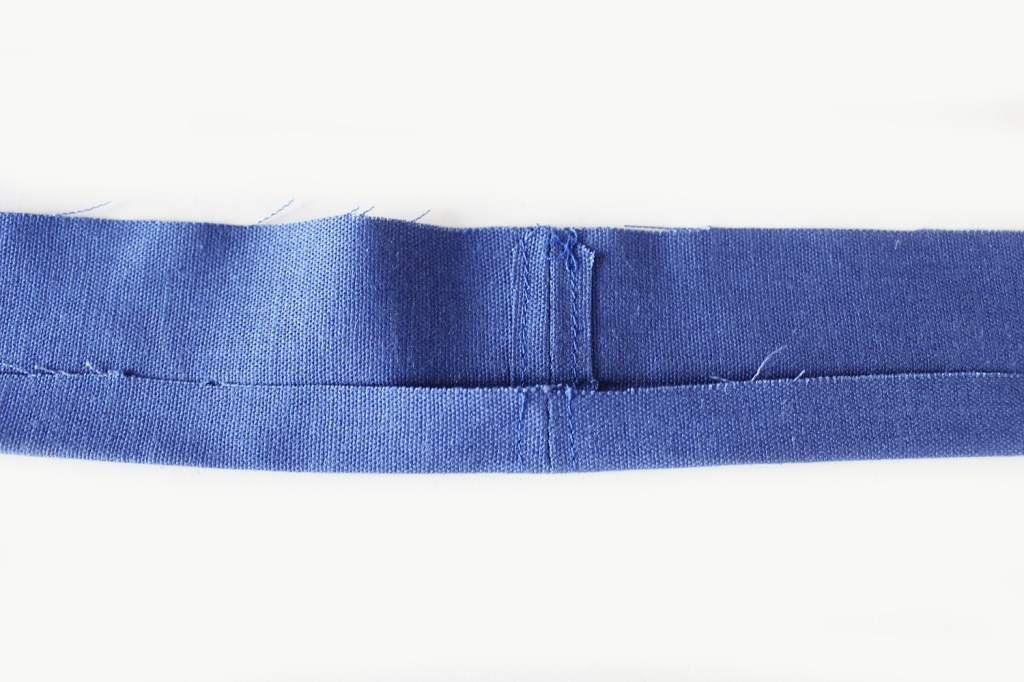
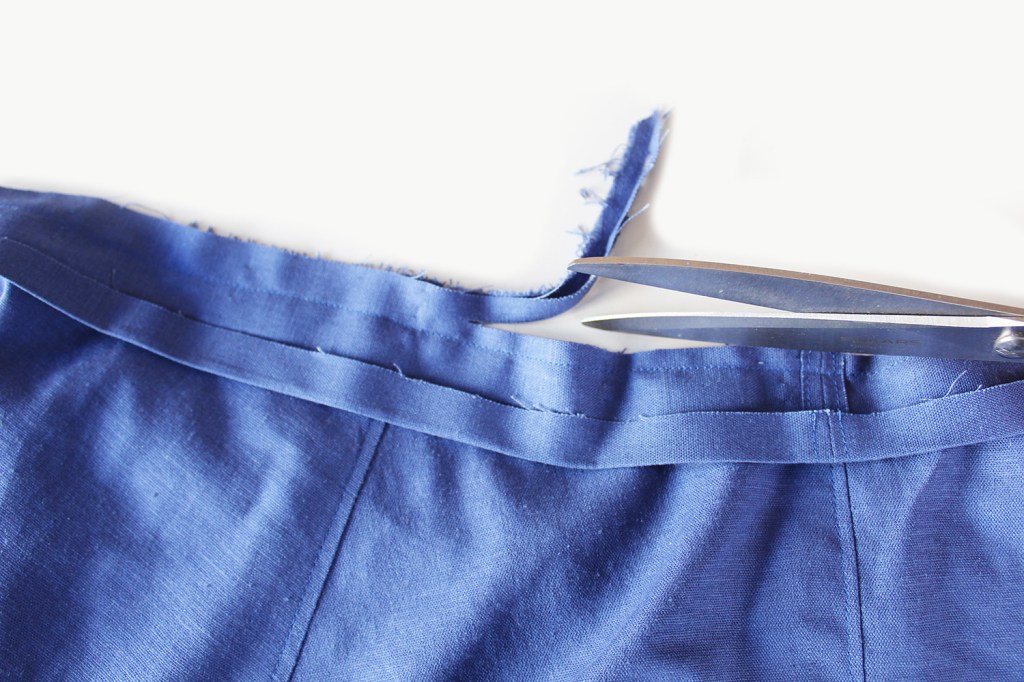
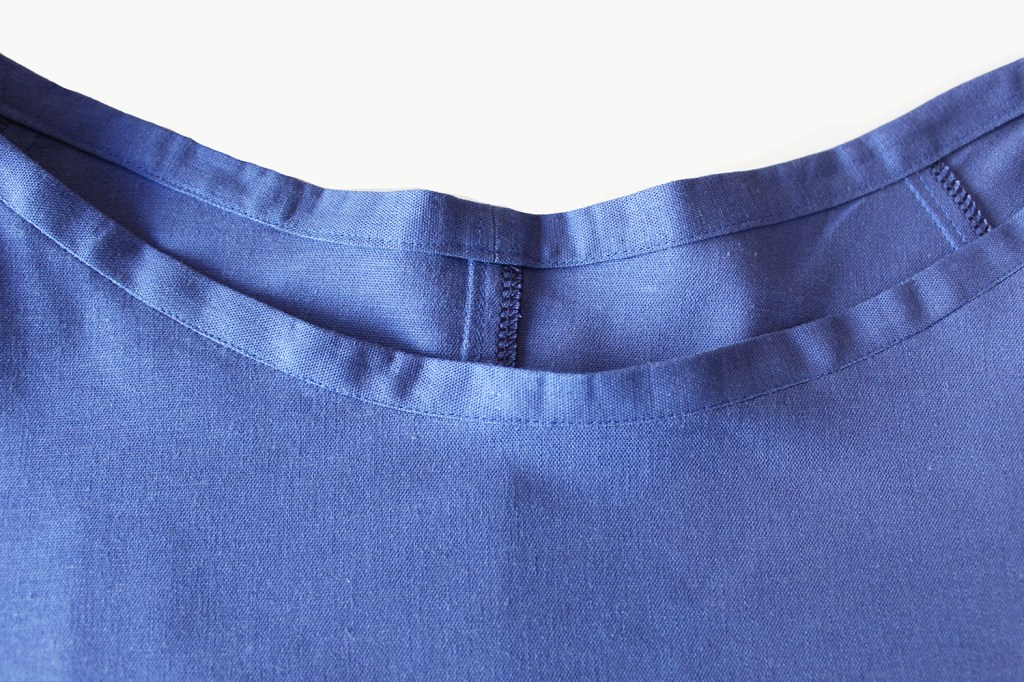
Join the neckband short edges with the fabric right sides facing together. Press the seam allowance open. Topstitch either side of the seam line. Trim off the excess seam allowance.
Fold over and press 1cm on one long raw edge of the neckband all around.
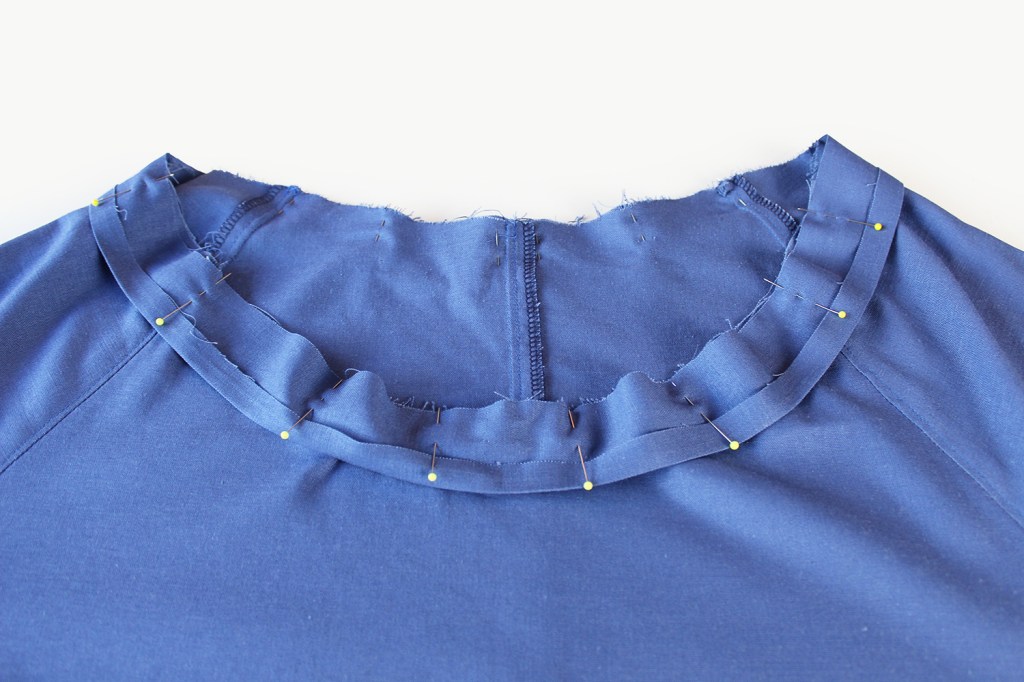
Pin the neckband, at the raw unfolded edge, to the raw neck edge all around, with the seam at the centre back. NB if you fancy making a drawstring version, position the seam line at the centre front instead. Sew. Trim off 1cm from the seam allowance all around.
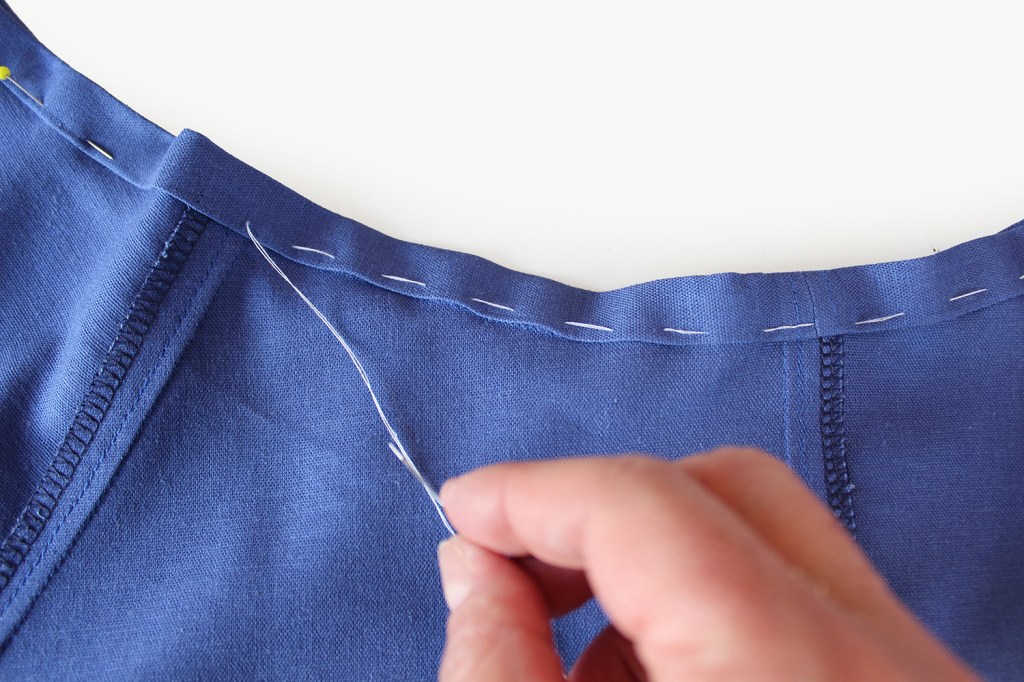
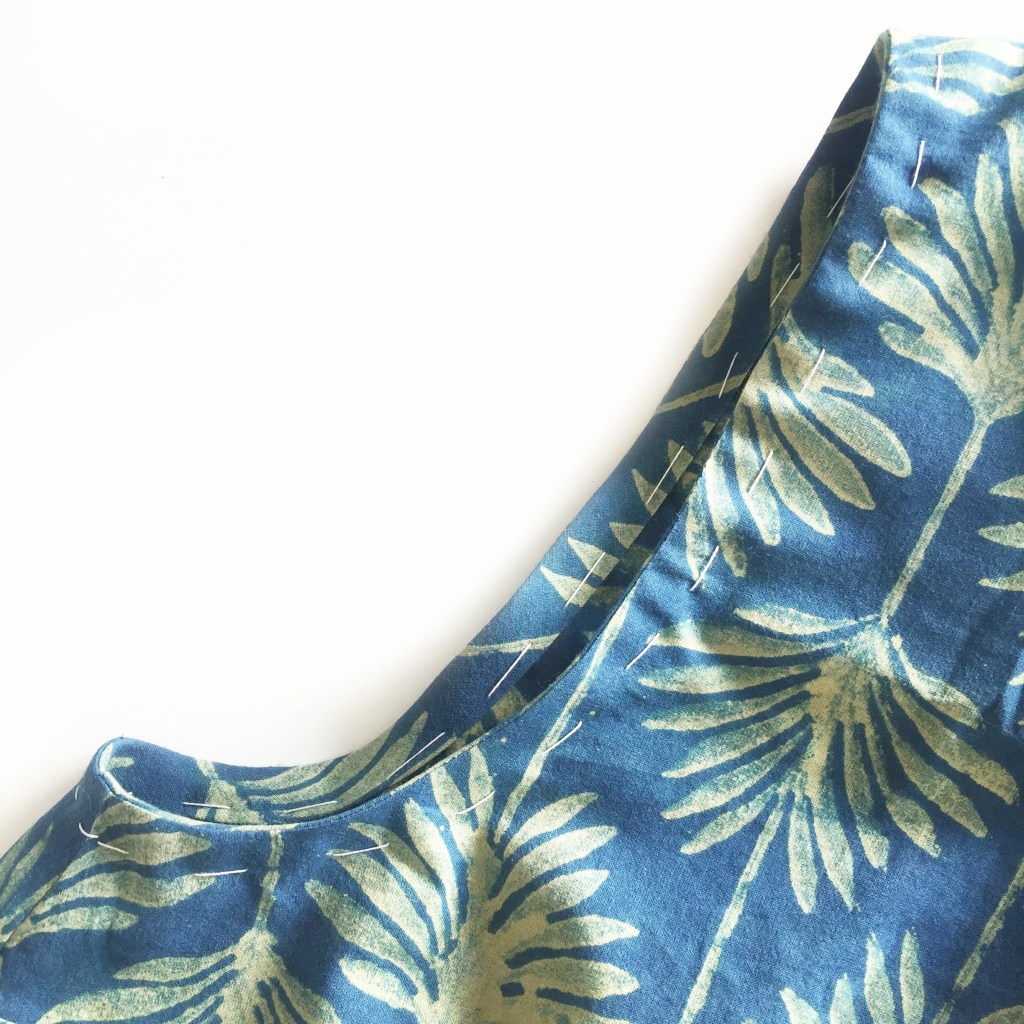
Press the folded edge over to the reverse side. Pin so that the edge is just covering the previous line of stitching. Hand tack. ‘Stitch in the Ditch’ * on the right side of the neckband, ensuring the neckband is stitched on the back of the fabric. NB make sure that there is a 1.5cm channel for the elastic.
Remove the tacking. Press. Now go to ‘INSERTING THE ELASTIC ‘
METHOD 2-(if you have an overlocker).
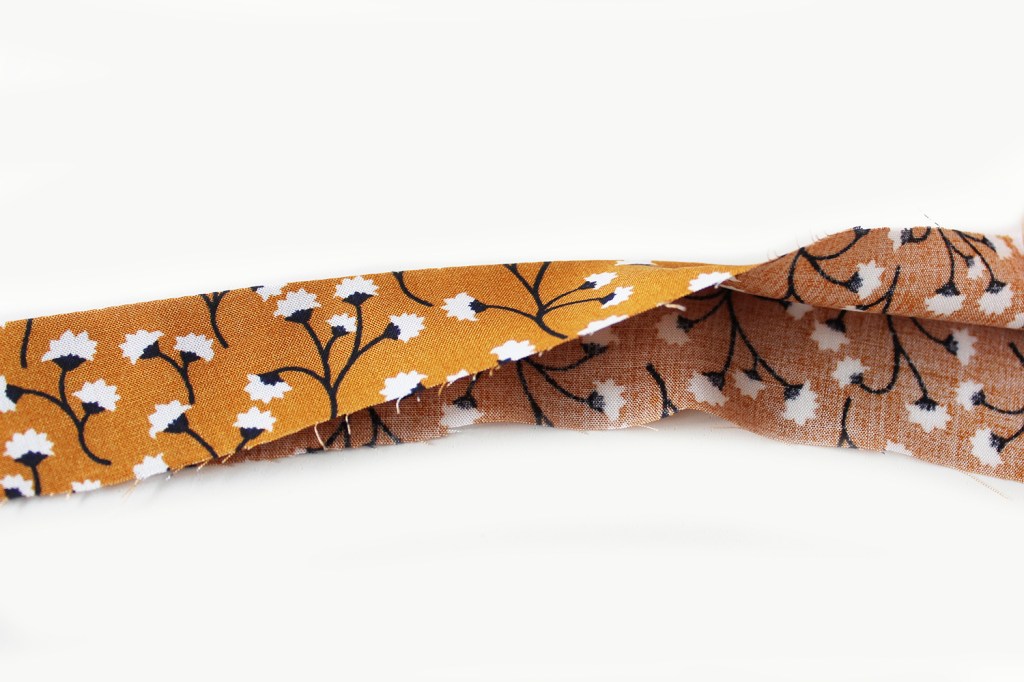
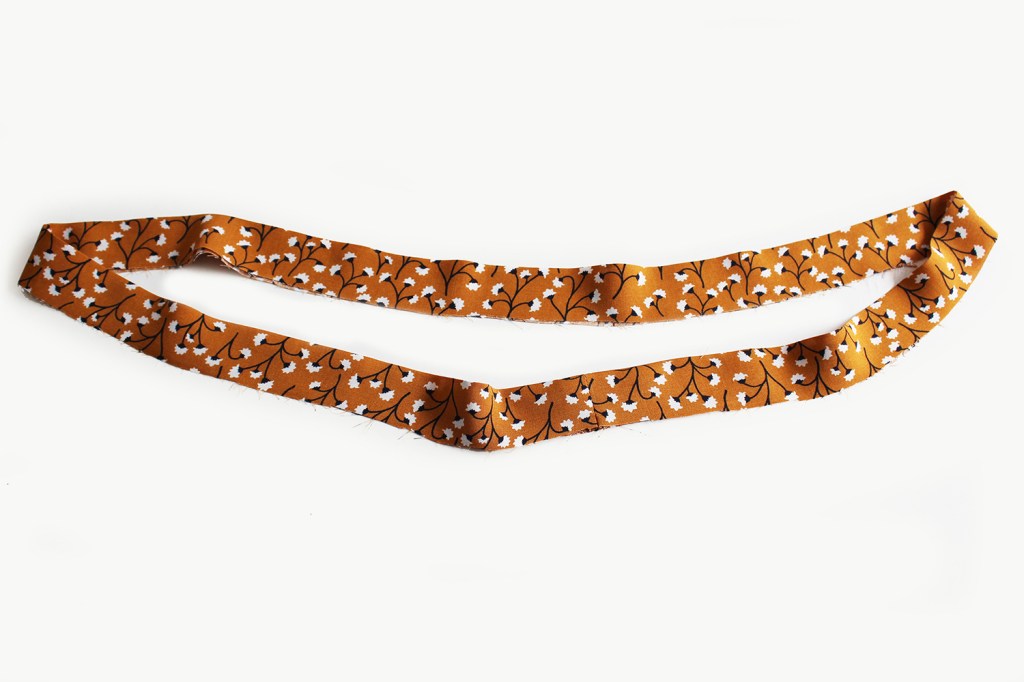
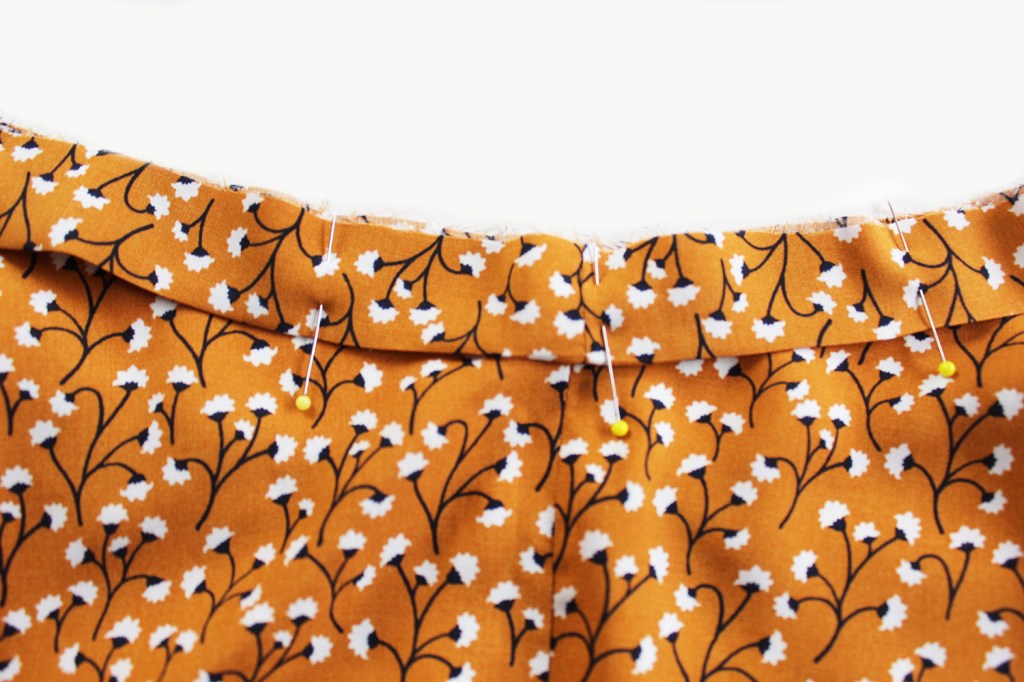
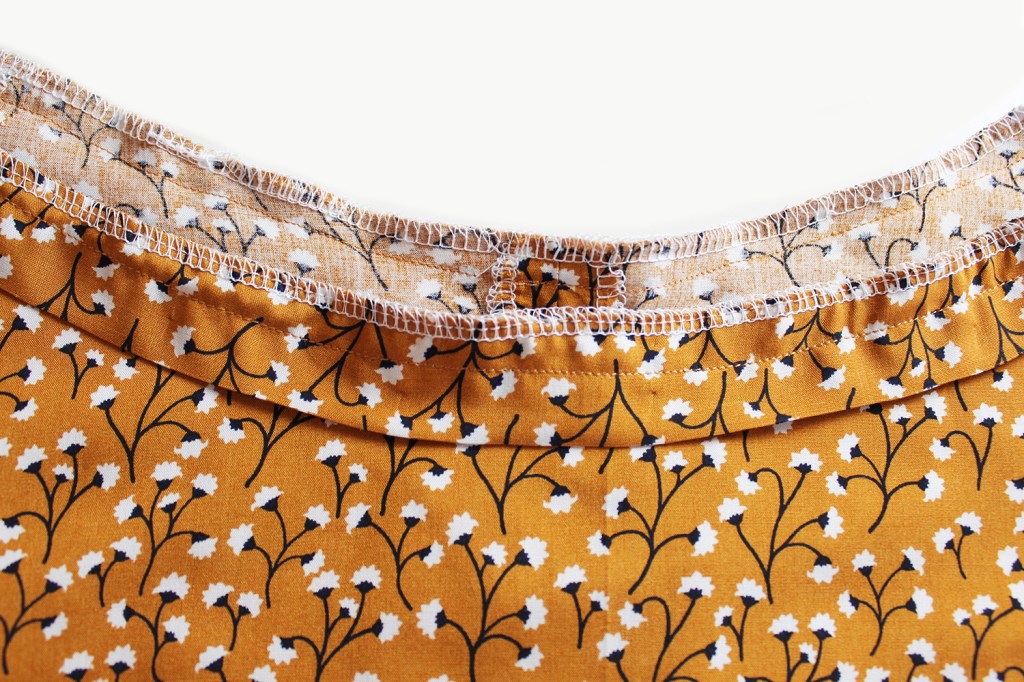
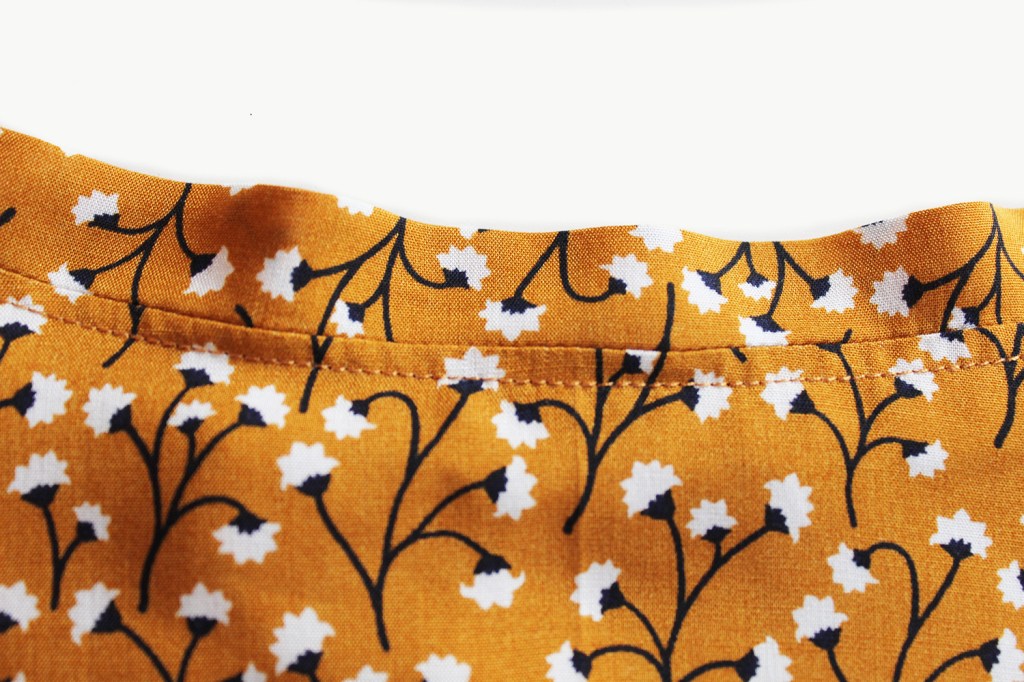
This method 2 is by far quicker and easier but only looks good if you have an overlocker.
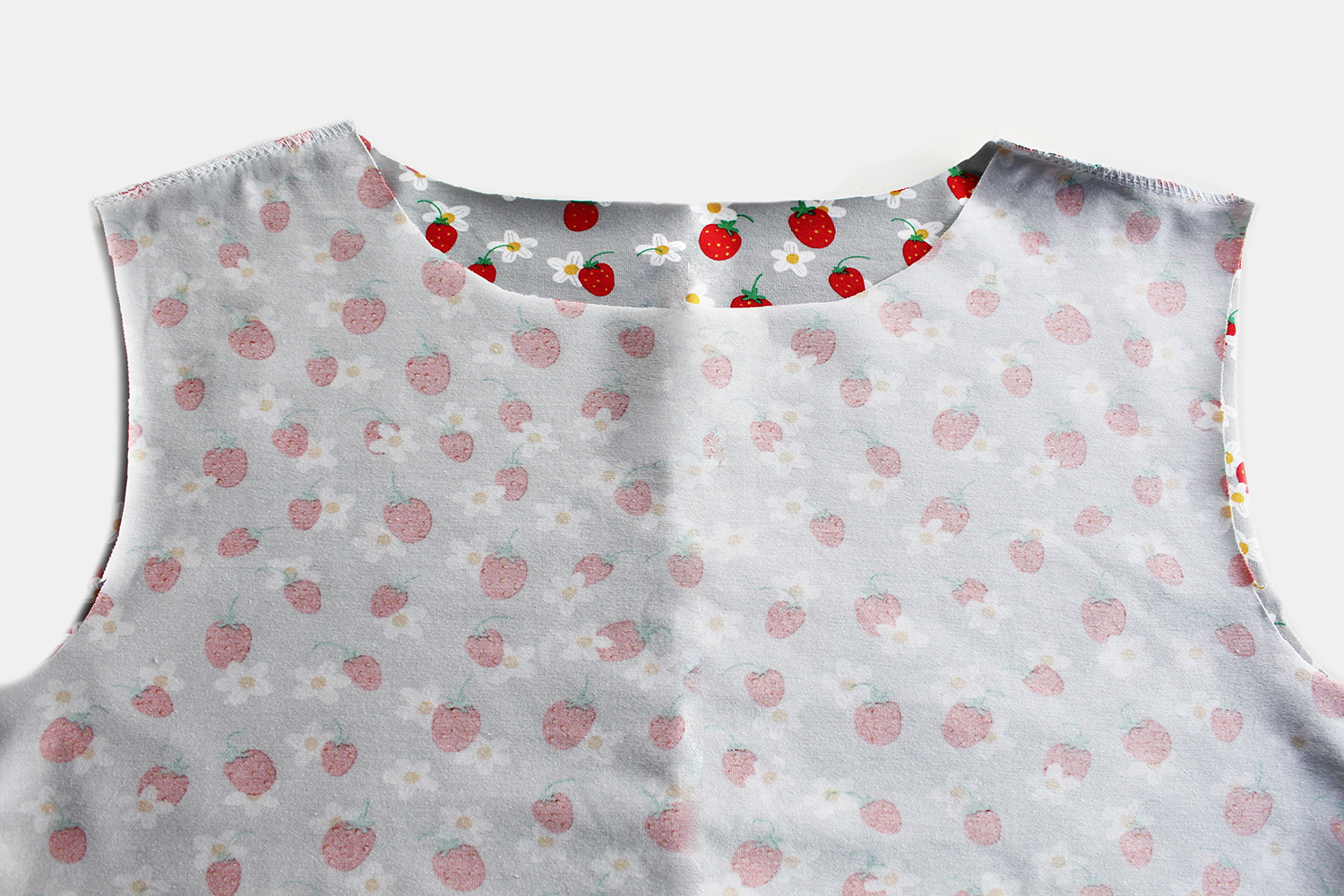
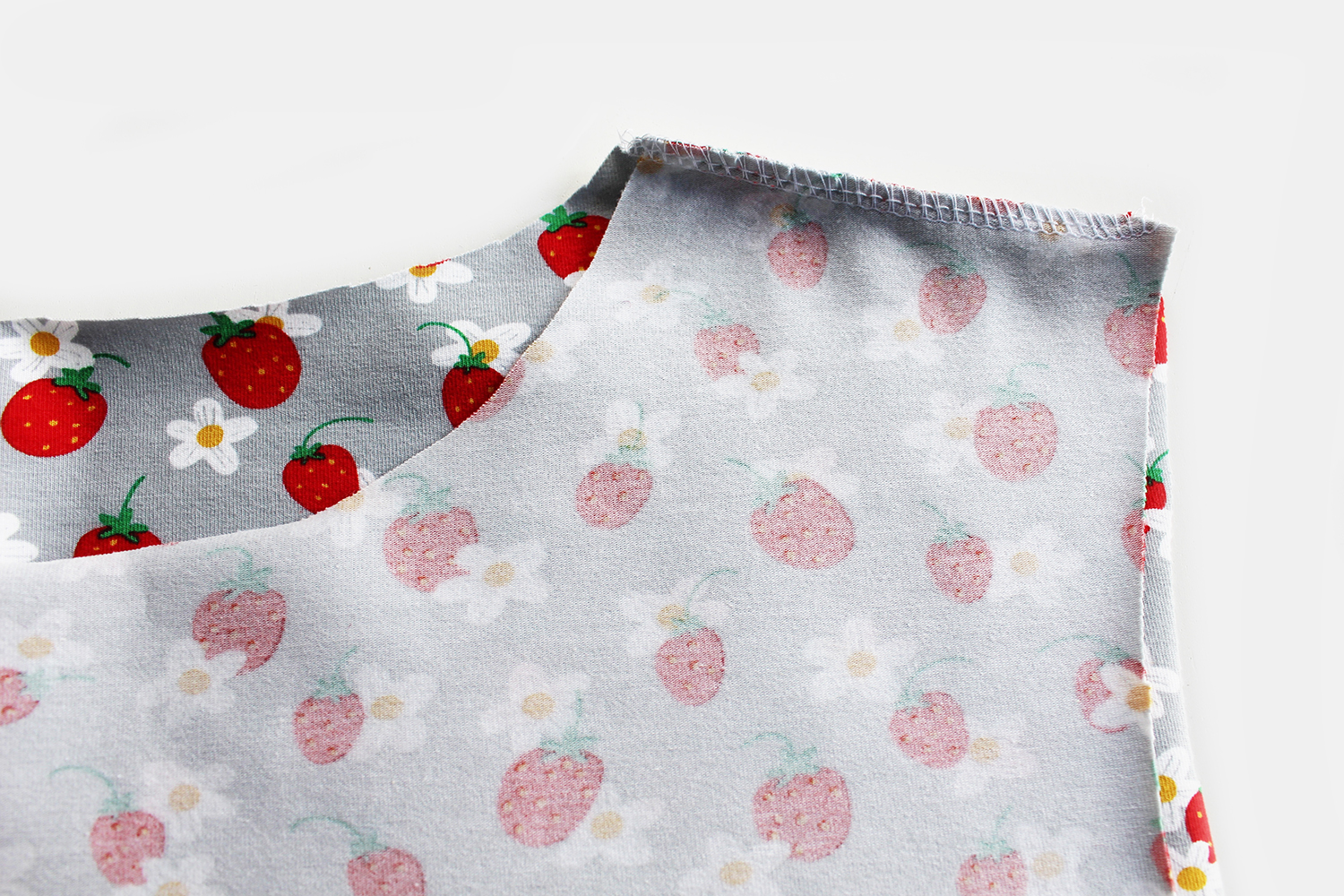
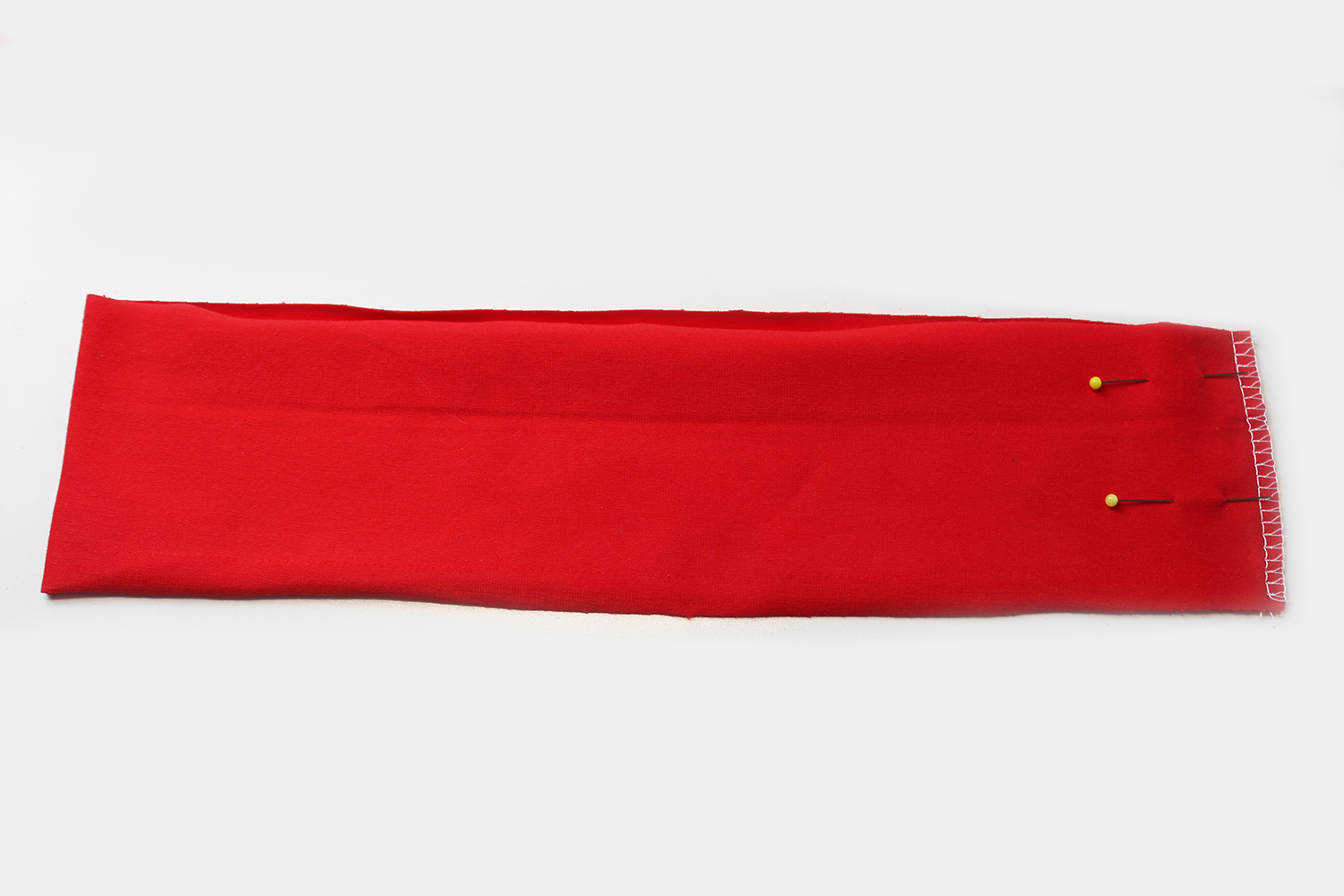
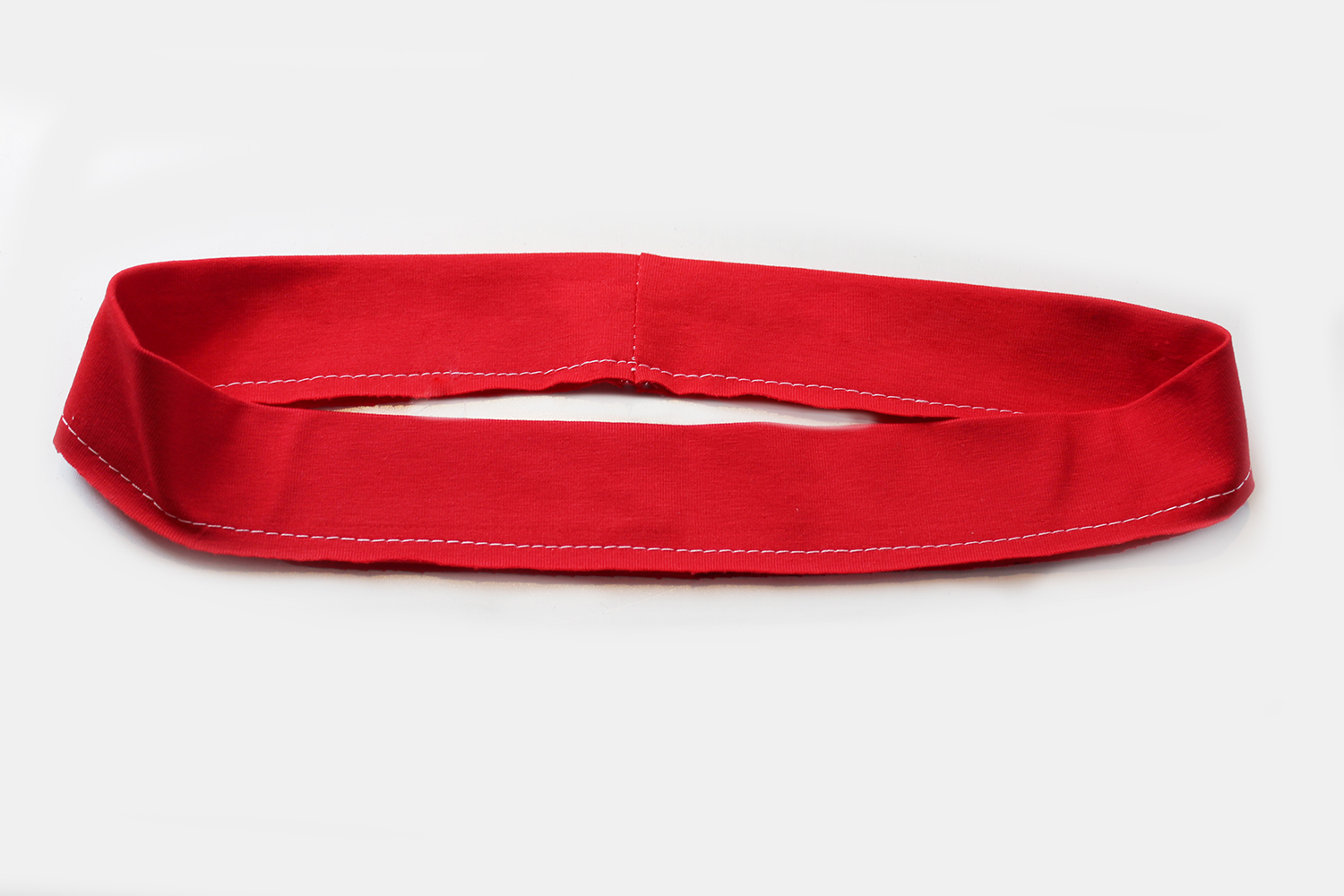
So, first you fold the neckband in half with the fabric wrong sides facing together. Press. Unfold. Sew the neckband short edges together (with the fabric right side facing together this time) to make a ‘ring’
Press the seam allowances open, topstitch either side of the seam line. Trim the seam allowance to 5mm.
Fold the neckband over all around again so that the raw edges are matching and the fabric wrong sides are together. Pin to the neck edge with the seam at the centre back. NB if you fancy making a drawstring version have the seam line at the centre front. Sew all around. Finish the raw edges all around. Press the neckband upwards. Topstitch approx 3-4mm away from the seam on the dress side.
INSERTING THE ELASTIC
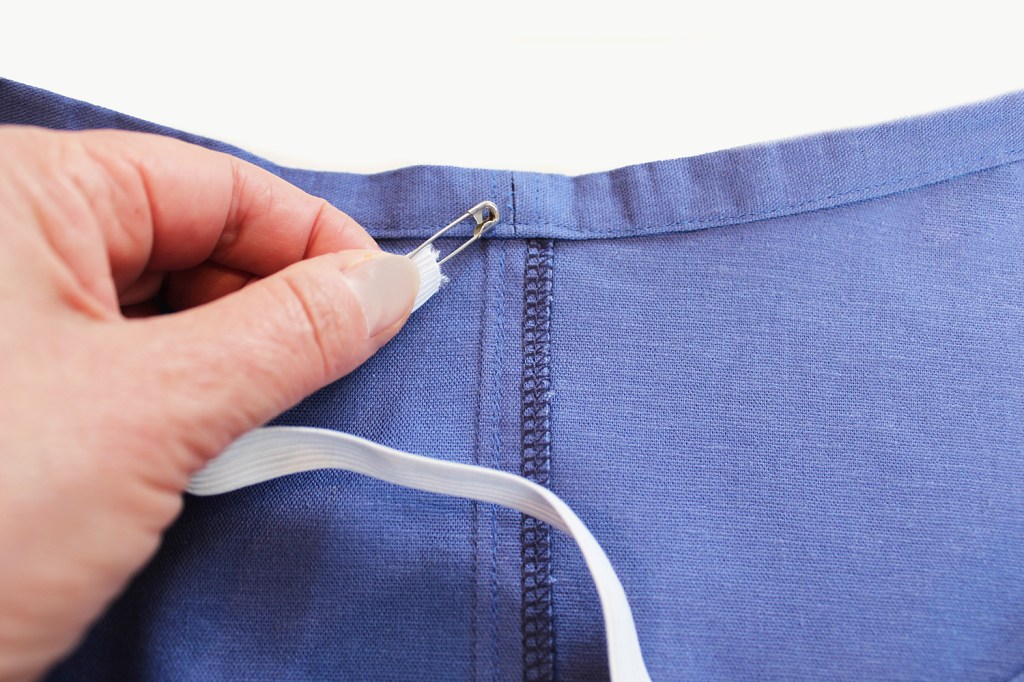
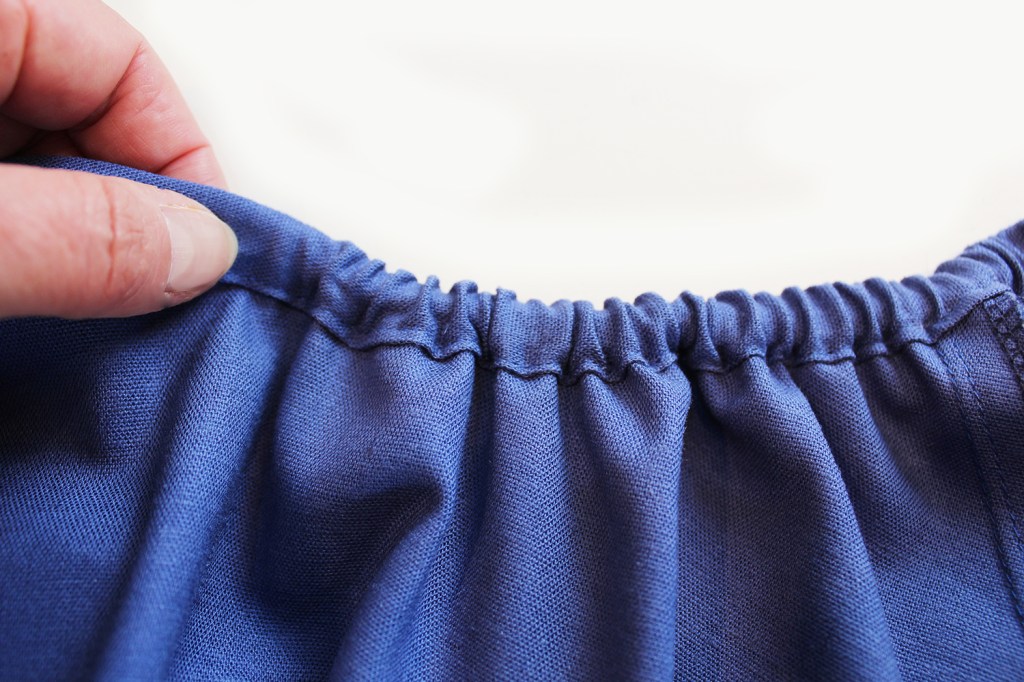
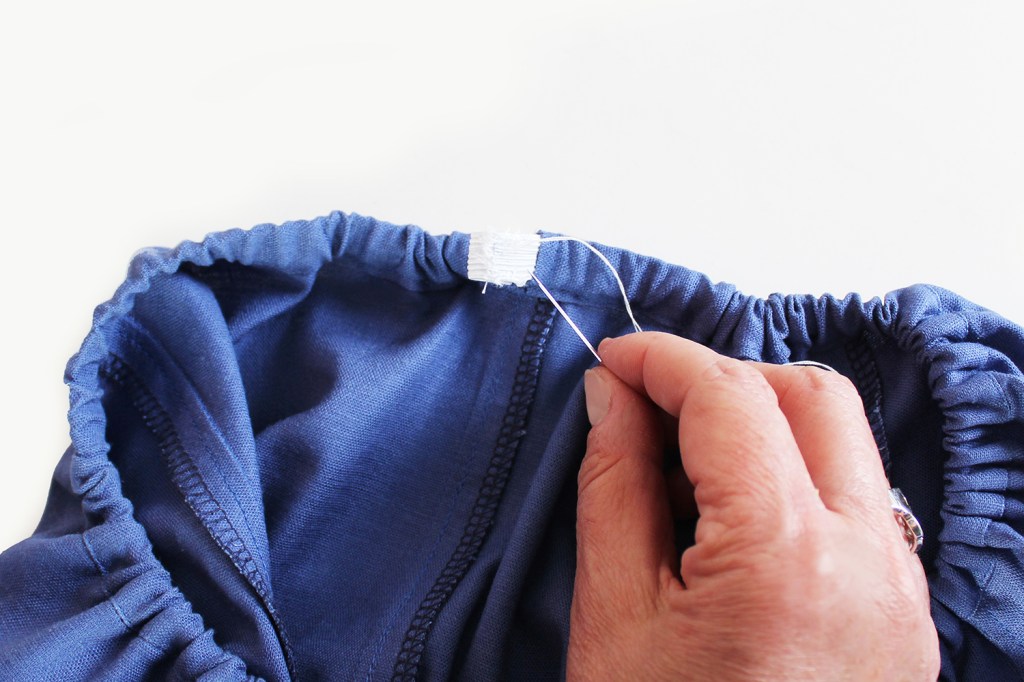
Attach a safety pin to one end of the cut length of elastic. Tip: cut the elastic piece approx 5cm longer allowing you to adjust it to your requirements. Nick one stitch on the inside back neckband seam enough to insert the safety pin/elastic. Feed the elastic through the channel, easing up the gathers as you go. Push out the same entrance hole. Pin together. Try on for size. Adjust if required. Sew the elastic ends together. Sew up the opening with a few hand stitches. Ease the neckline gathers evenly all around.
PATTERN HACK ALERT! – Front drawstring neckband alternative.
Its quite a nice idea to try this hack as a change from the elastic. It allows you to adjust the gathers according to your mood. Who doesn’t love an off the shoulder neckline? This drawstring alternative allows you to do that.
So follow the pattern as you would normally except when attaching the neckband, position the side seam at the centre front instead of the back.
Make a drawstring tie – cut out a 4cm x 112cm wide (or longer if you prefer) across the width of the fabric. Follow the same sewing steps as with the Tie Belt. Turn inside out through the opening at the centre. Tip- use a loop turner to help you.
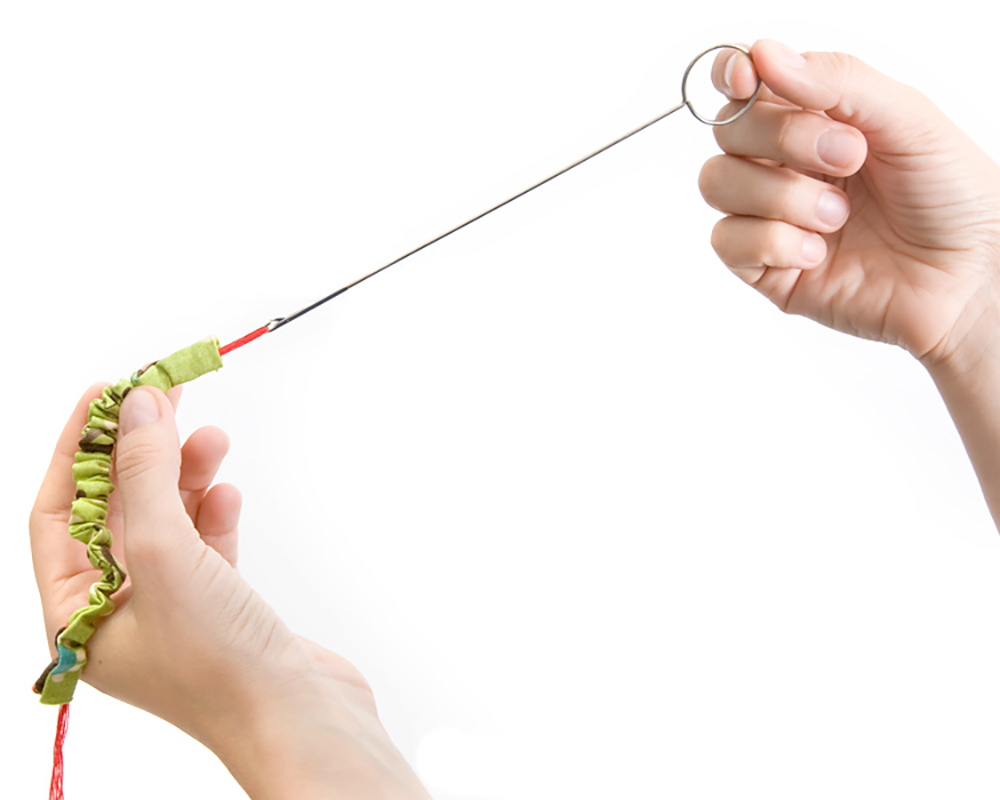
Nick one of the stitches of the neckband side seam. Attach a safety pin attached to one end of the tie and feed into and out of the opening. Ease the gathers, adjust to fit.
SEWING THE SIDE SEAMS AND SIDE SLIT
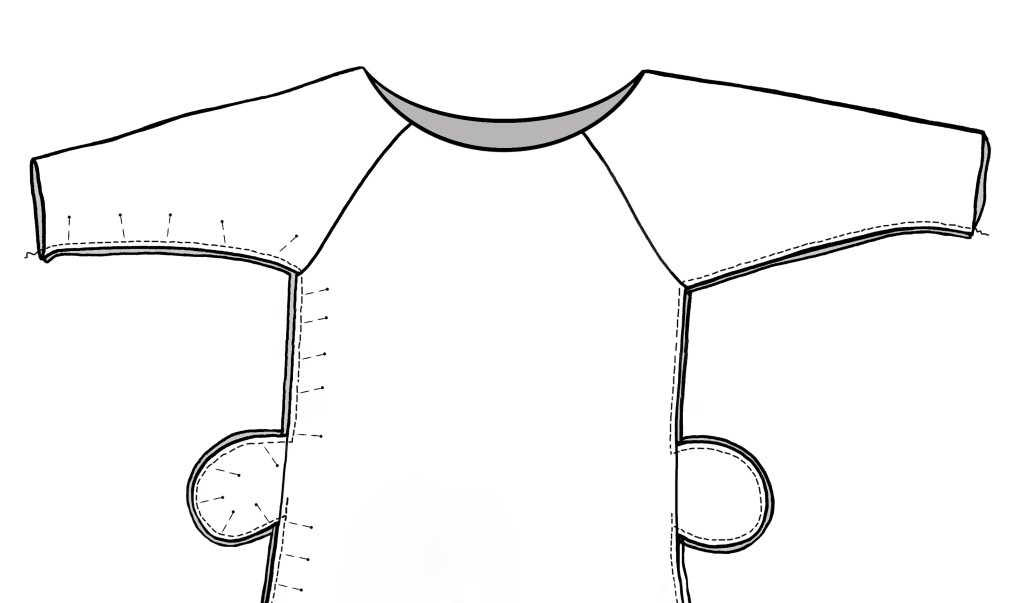
With the RST, pin the Front to Back at the side edges.
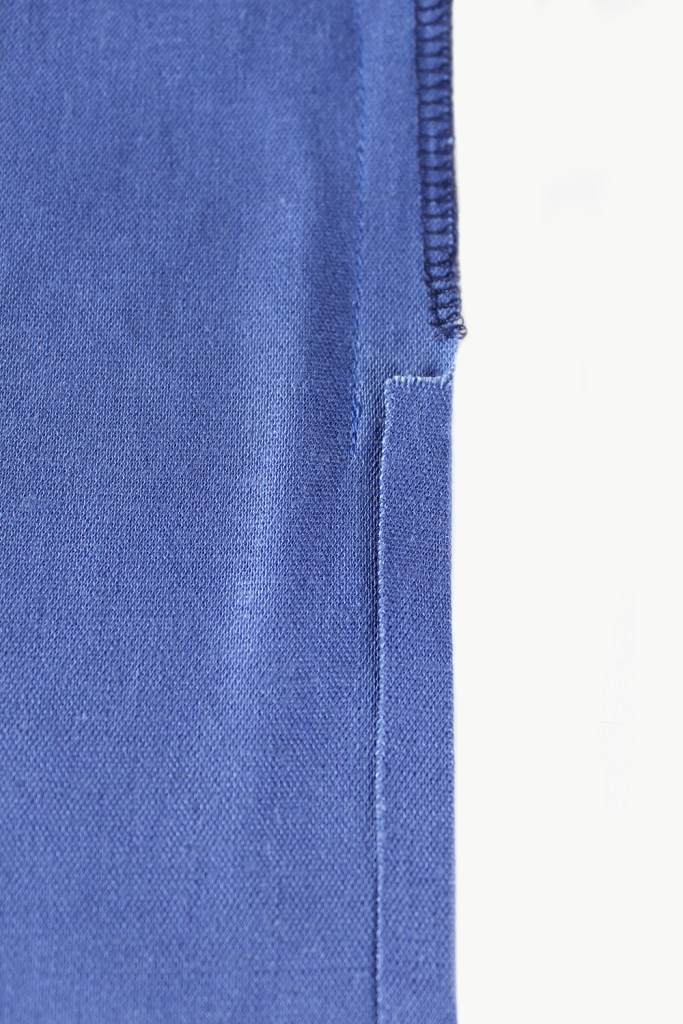
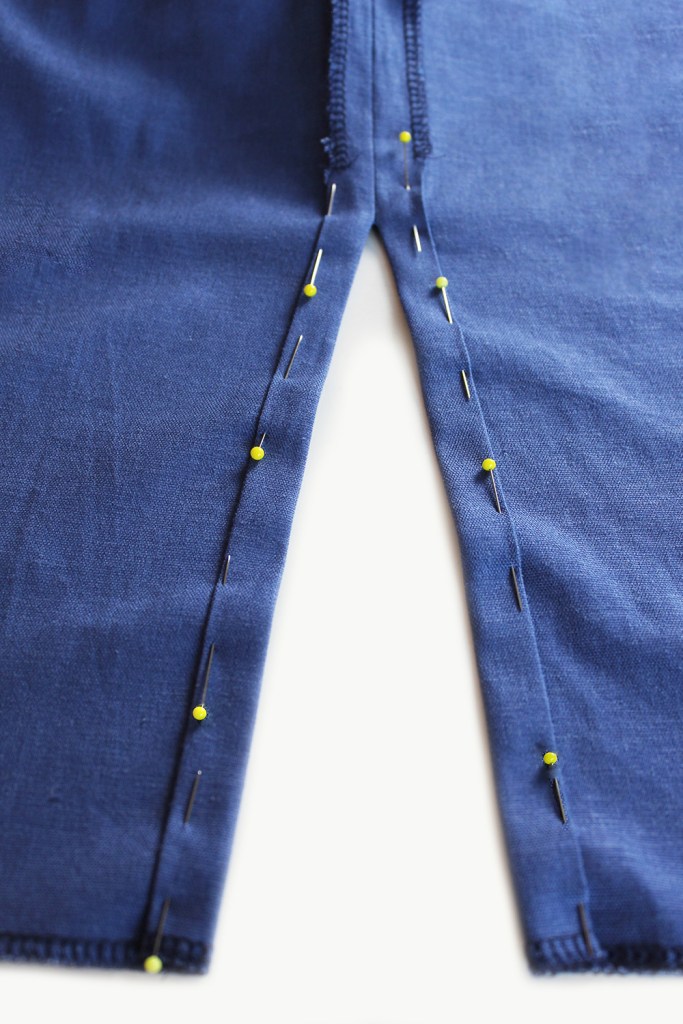
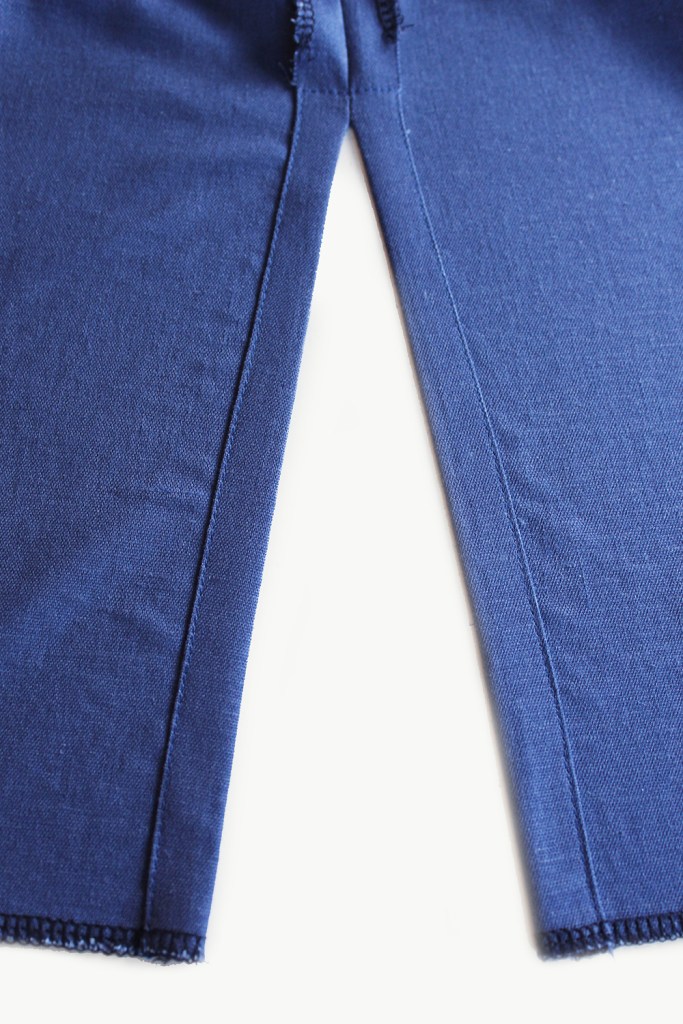
The Dress (C) version has a slit at each lower side edge. You can also put a small one in the Tunic (version B) if you fancy it or just sew the side seam up as normal, ignoring the seam allowance extension.
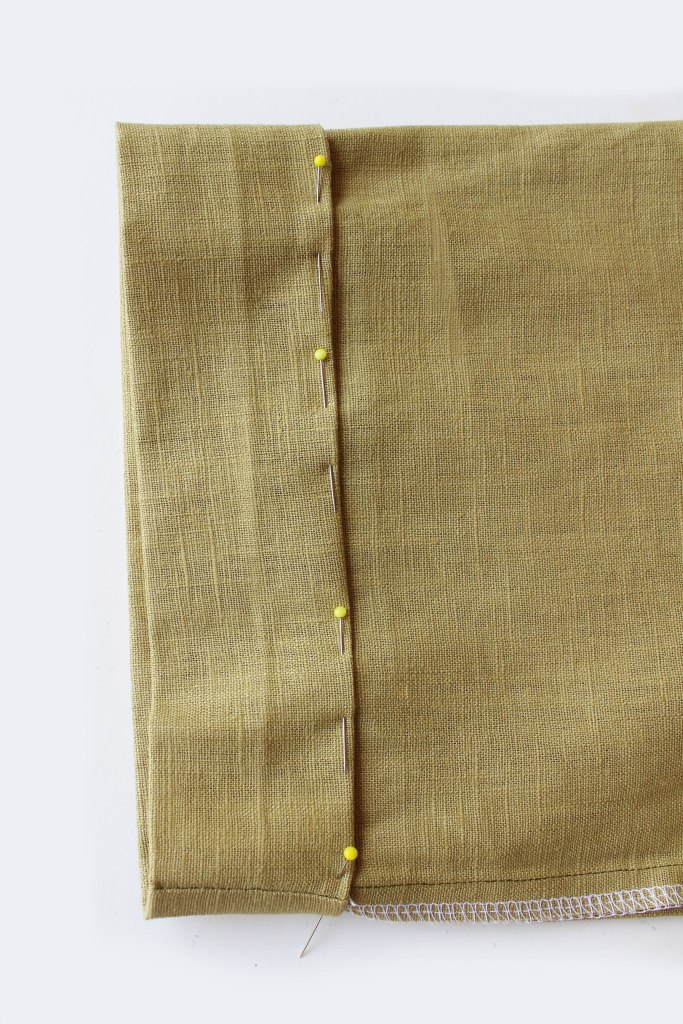
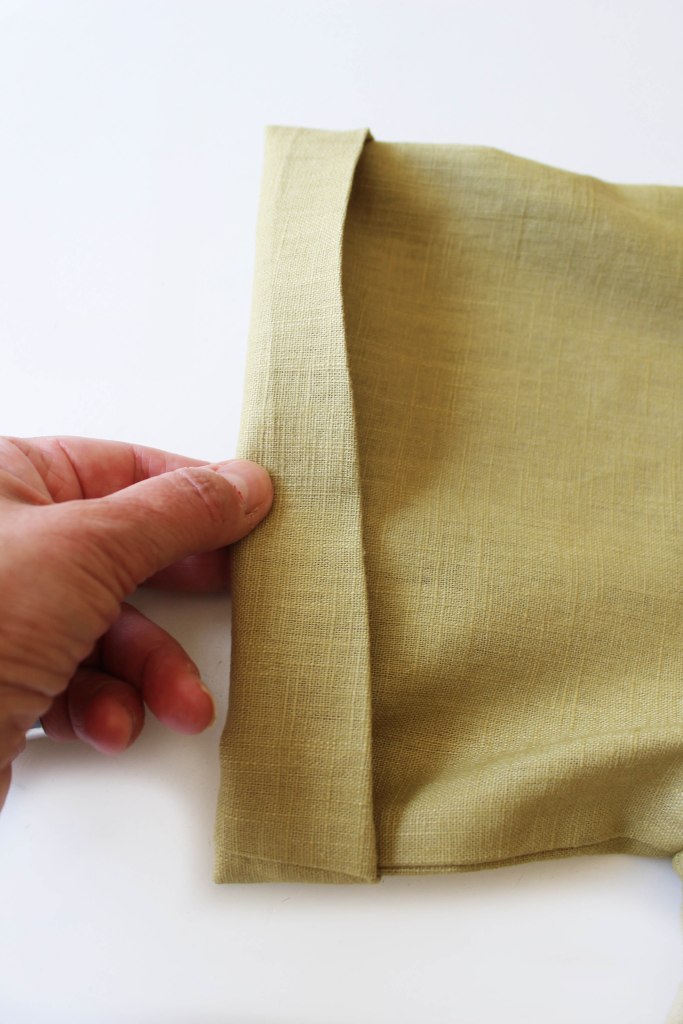
Fold over the side edge below the notch by 1cm. Press, then fold the seam allowance back to make a side hem on each side. Pin. Sew close to the hem edge on each side.
HEMMING
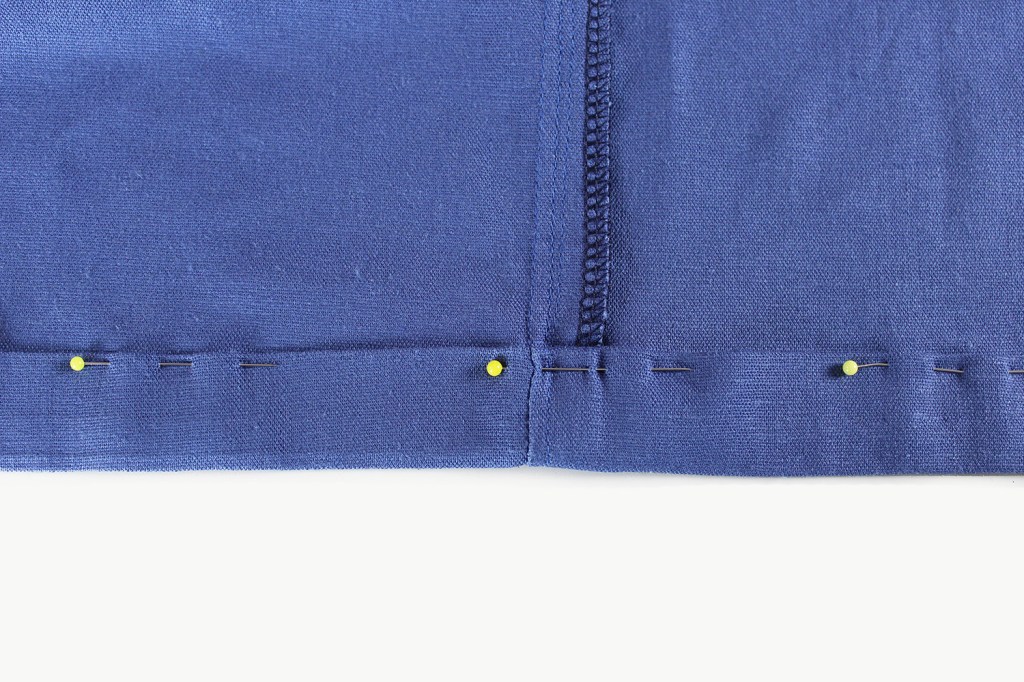
Fold over and pin the lower edge of the dress, tunic or top. Sew. Press.
Make a small hem on the sleeve cuff edge in the same way. For the Dress (C) version, insert elastic into the cuff hem in the same way as with the neckband.
TIE BELT
The Tie Belt on the dress is optional, it gives the dress more shape and a different look. You could also put a Tie belt on the tunic if you fancy it.
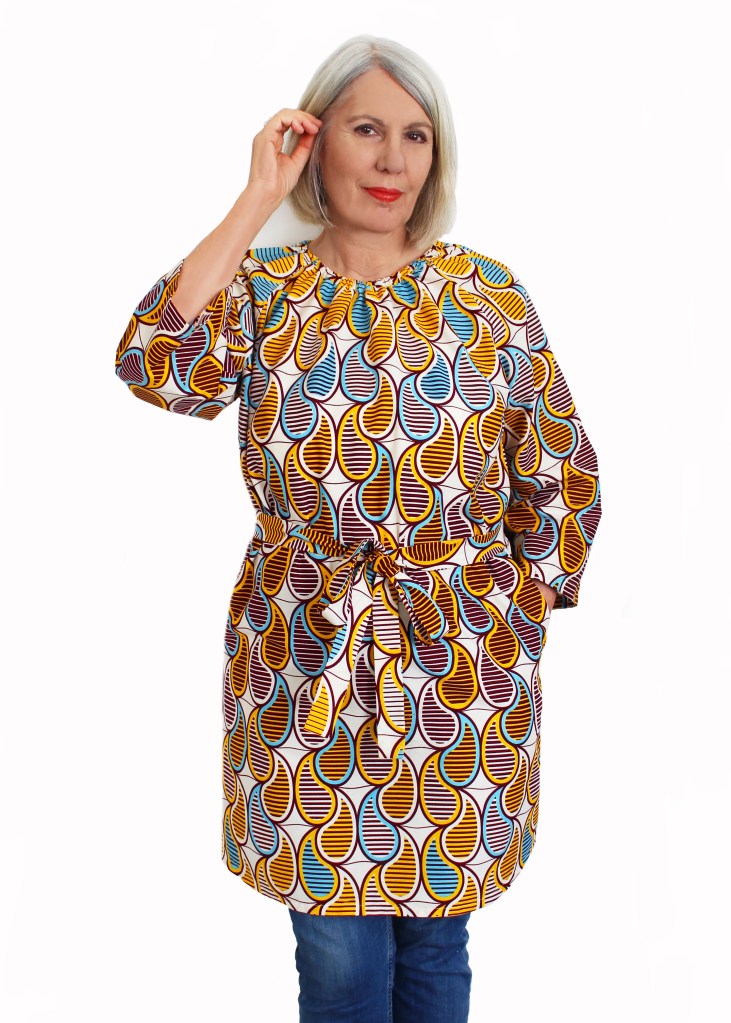
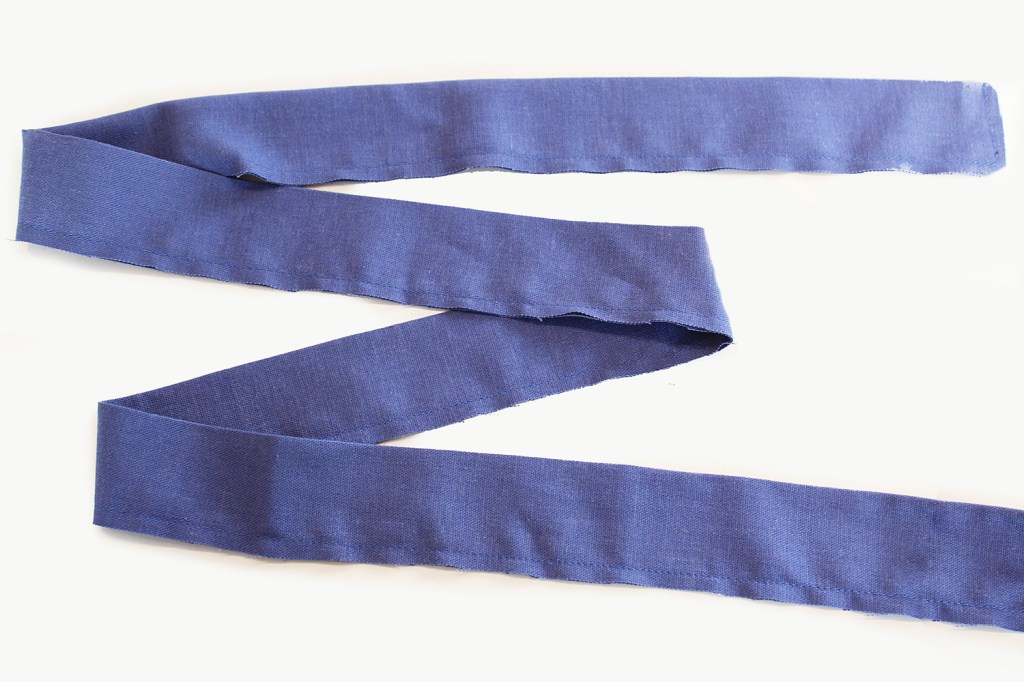
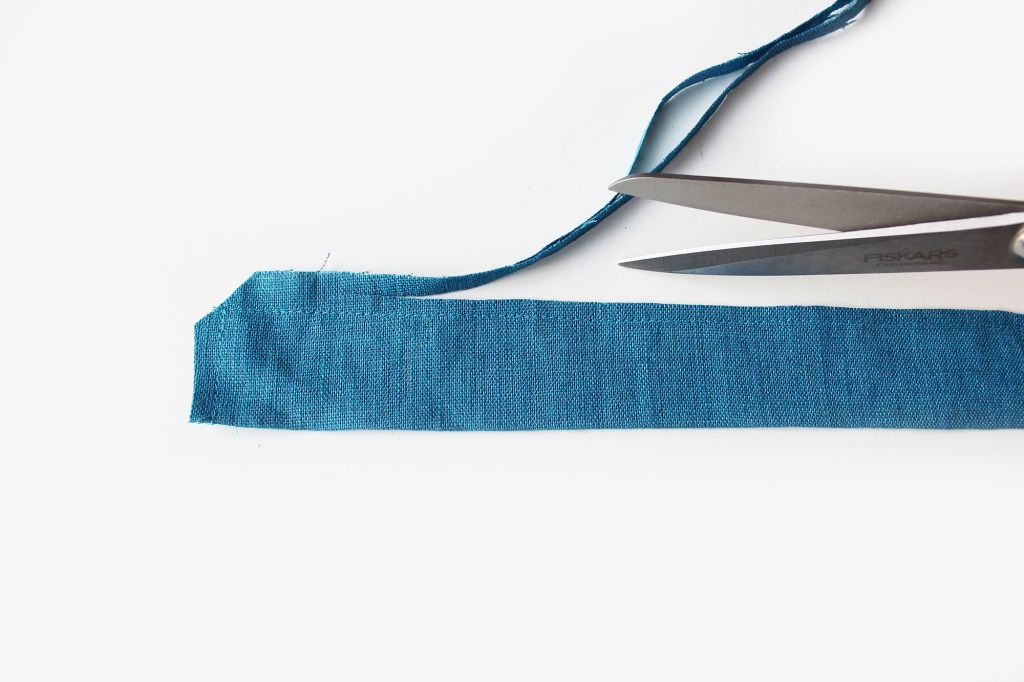
Fold over the Tie belt piece in half widthways. Pin then sew down the raw edge sides leaving a 4cm section unstitched at the centre of the long side. Snip the seam allowance to 5mm. Turn the belt inside out, push out the corners. Press, sew up the opening or Topstitch all around -which sews up the opening at the same time.
And there you have it! Ready to rock!
All text and images are subject to copyright.
Please ask prior permission if you would like to use any of the content.
PHONE BAG
CROSS BODY BAG
BROMPTON BACKPACK or MESSENGER BAG
BOHO BAG
PORTOBELLO BAG
HOXTON TOTE
WHITSTABLE BAG
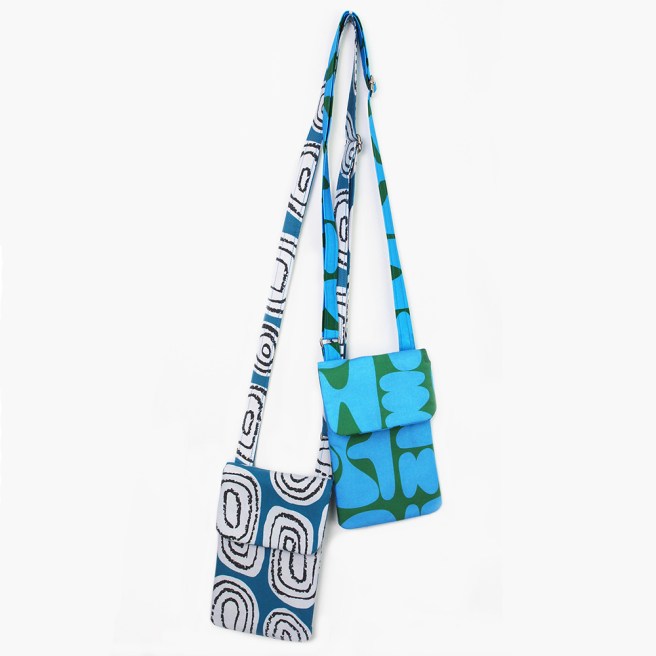
*PHONE BAG Pattern errata – please note that text on the bottom left image on page 4 should read ‘Back’ instead of Front and the bottom right picture should read ‘Front’ instead of Back.
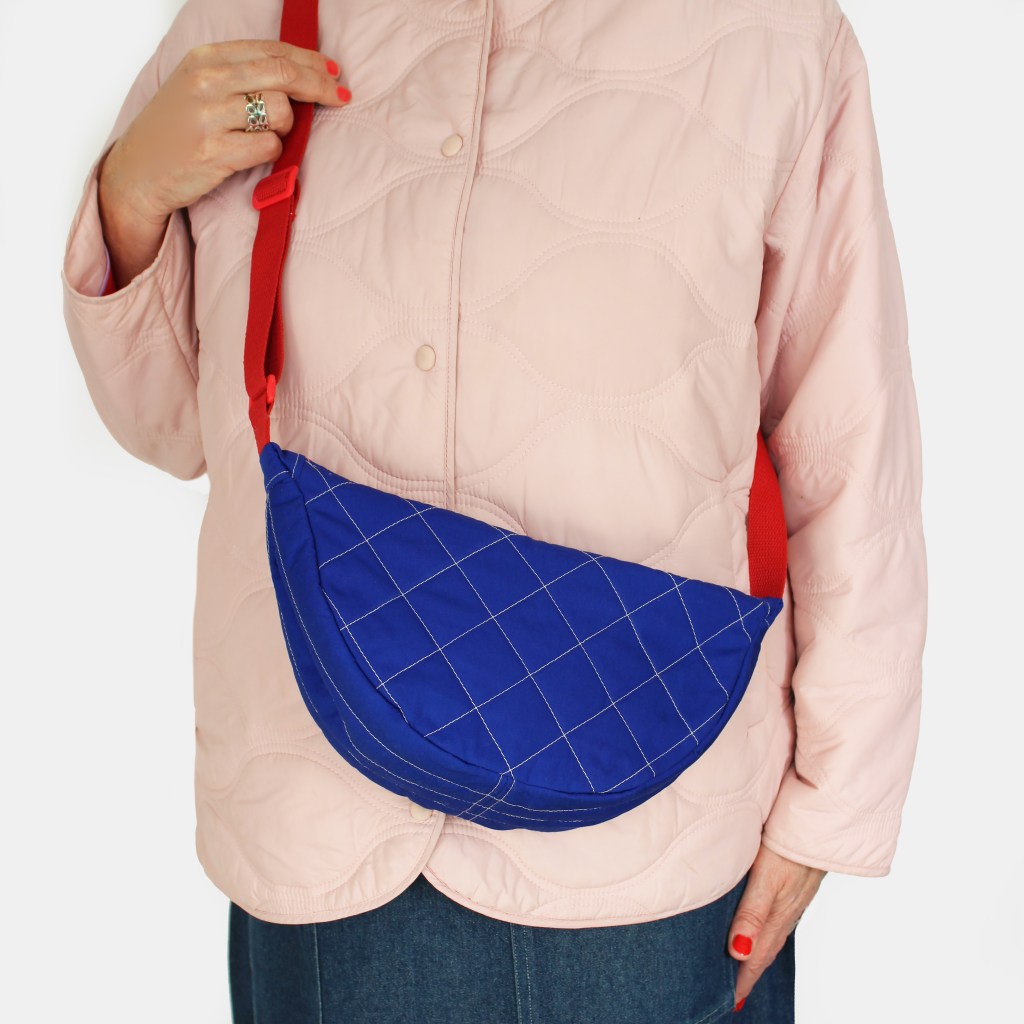
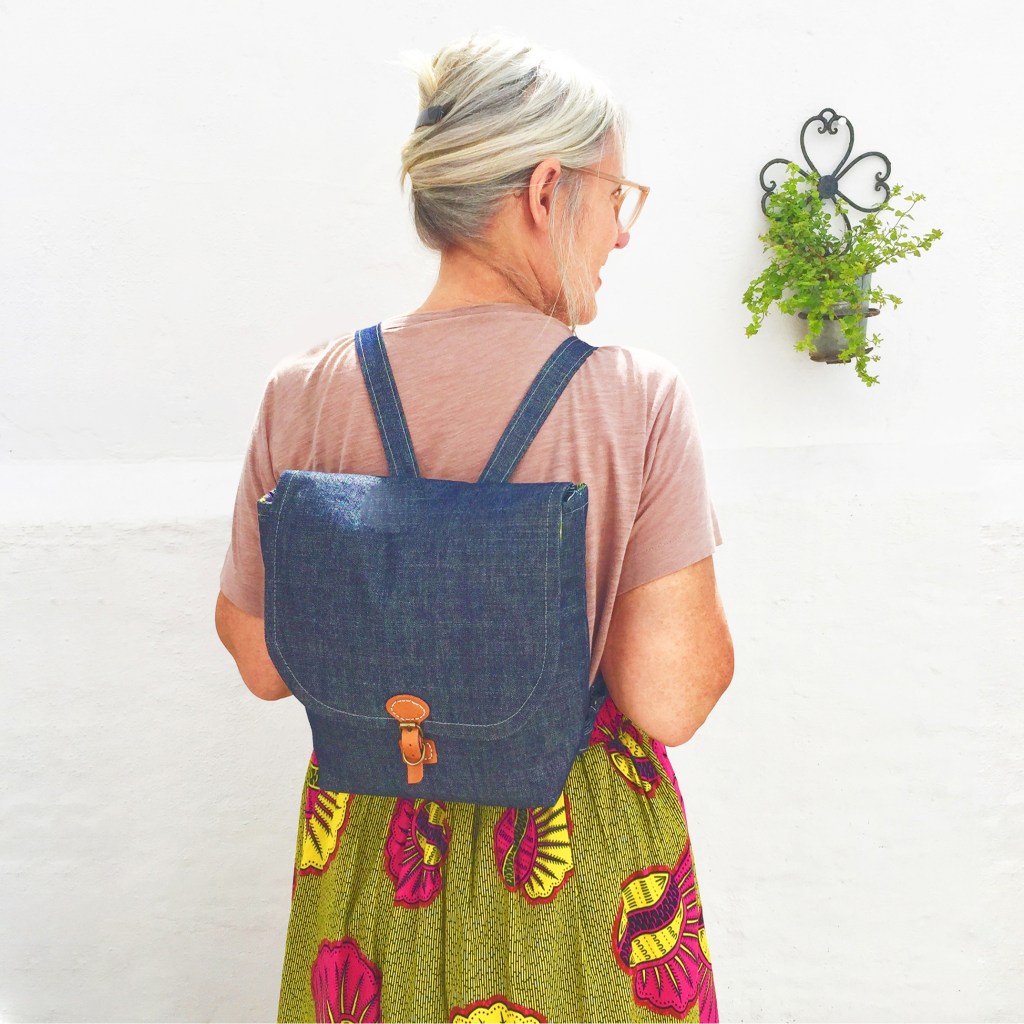
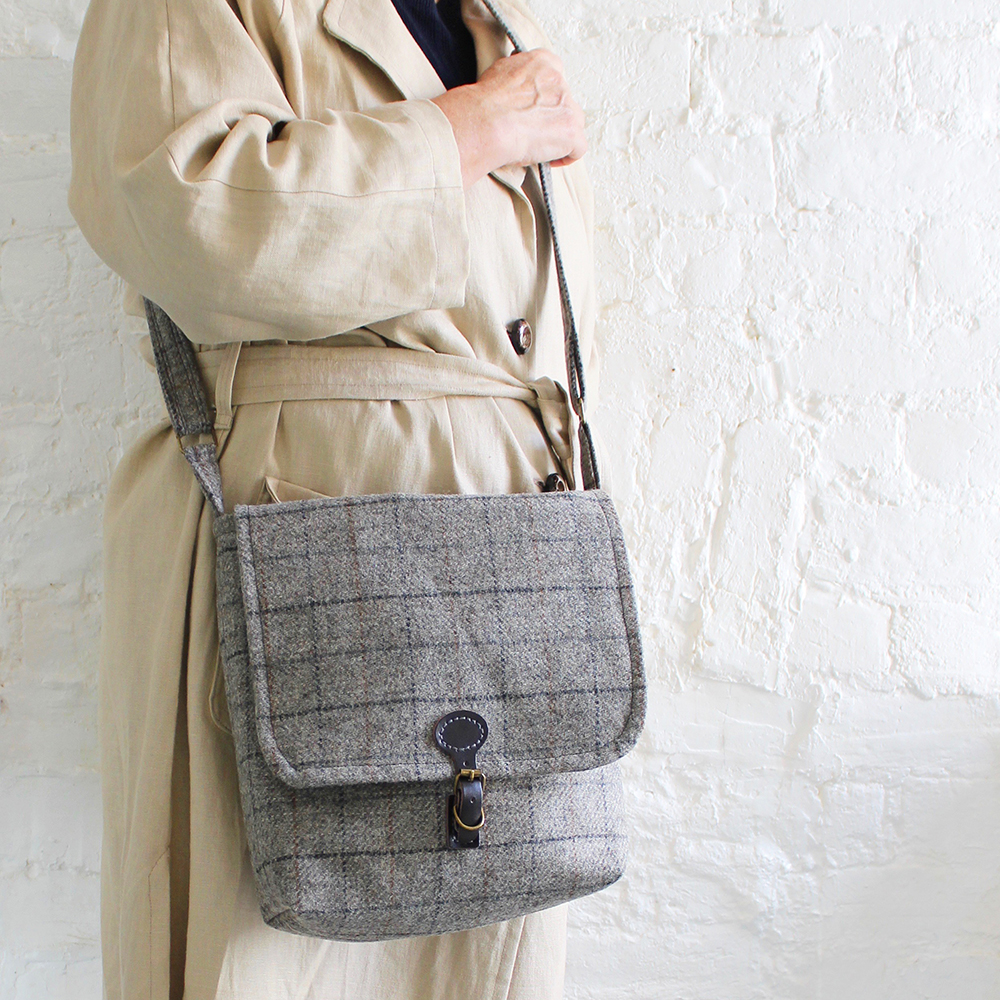
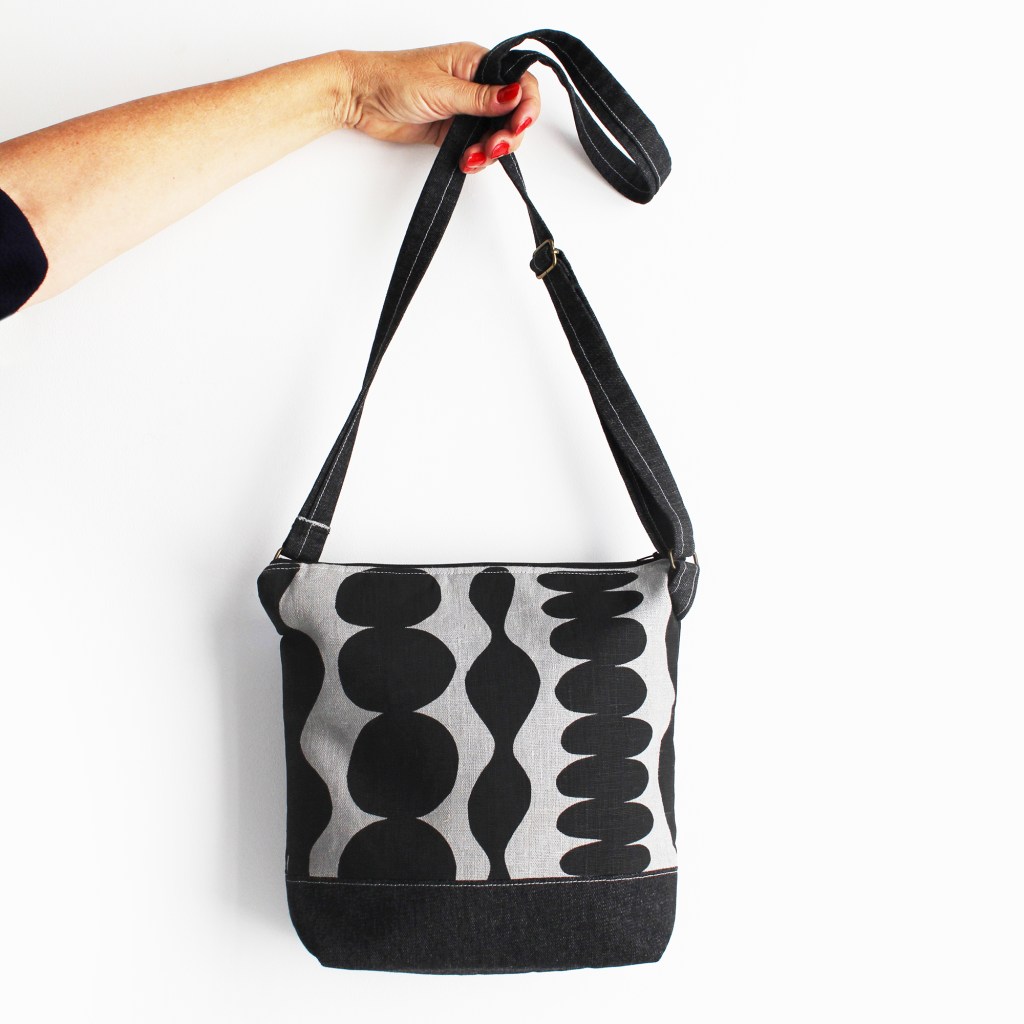
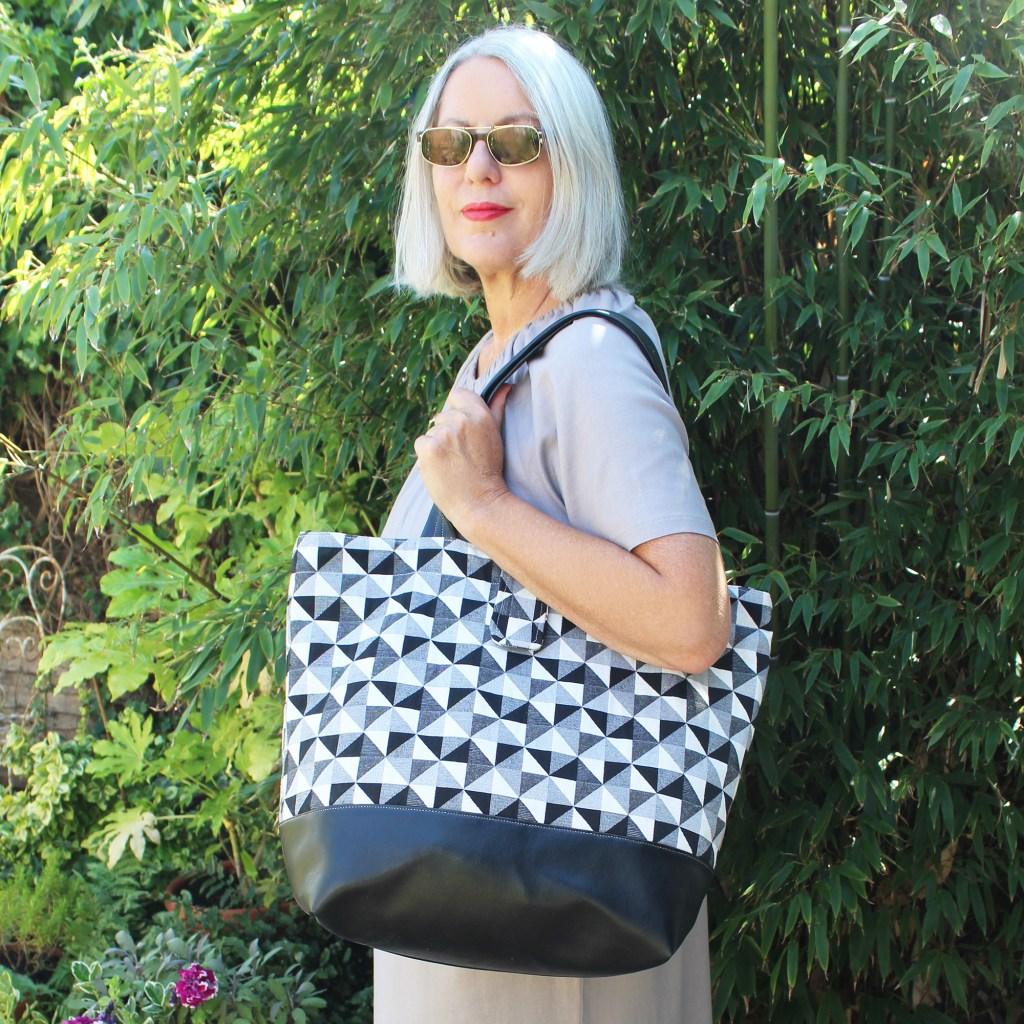
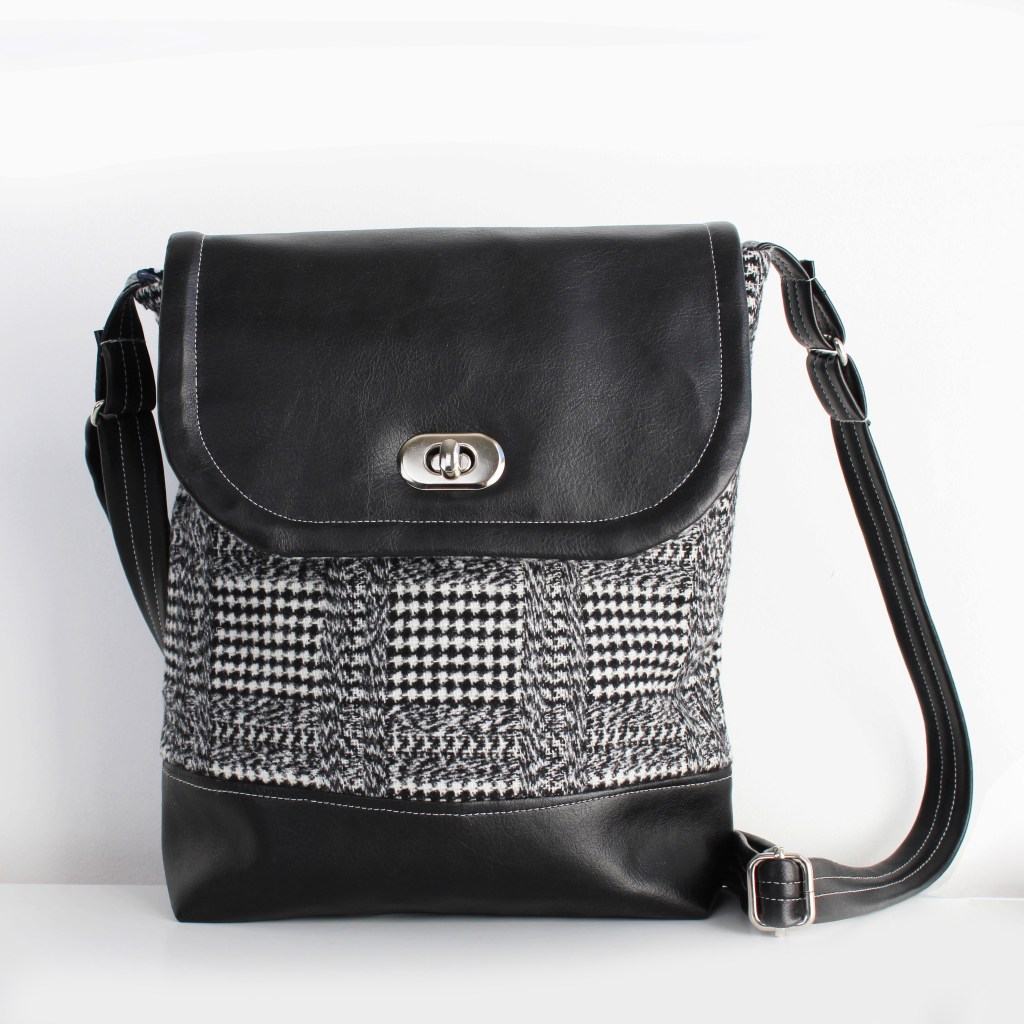
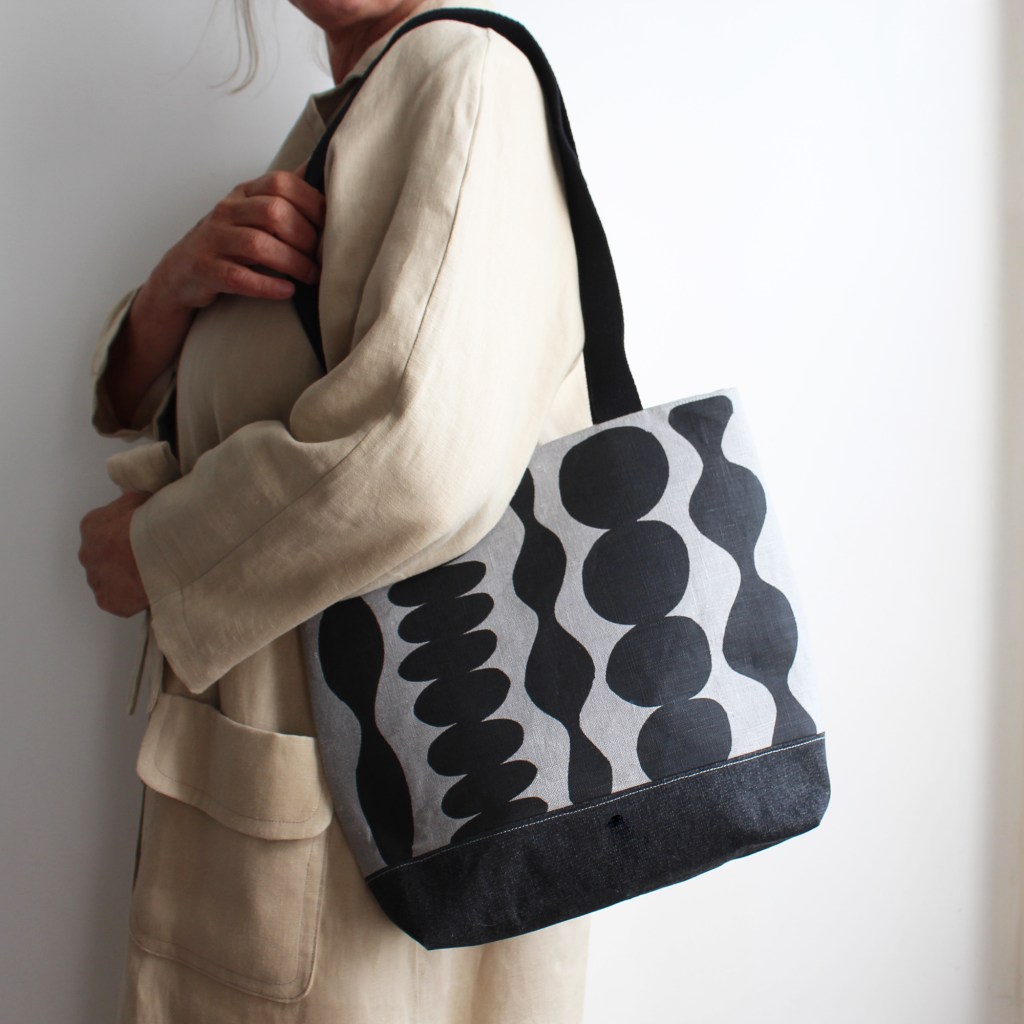
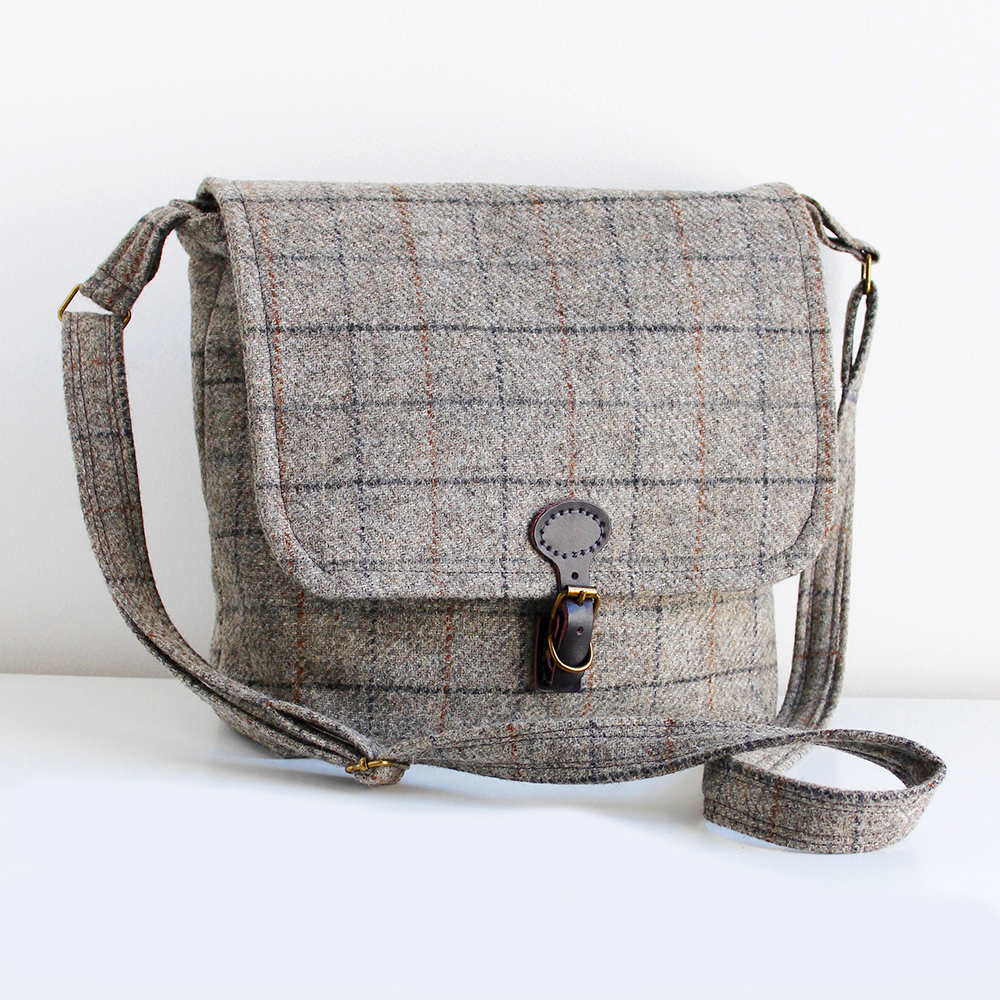
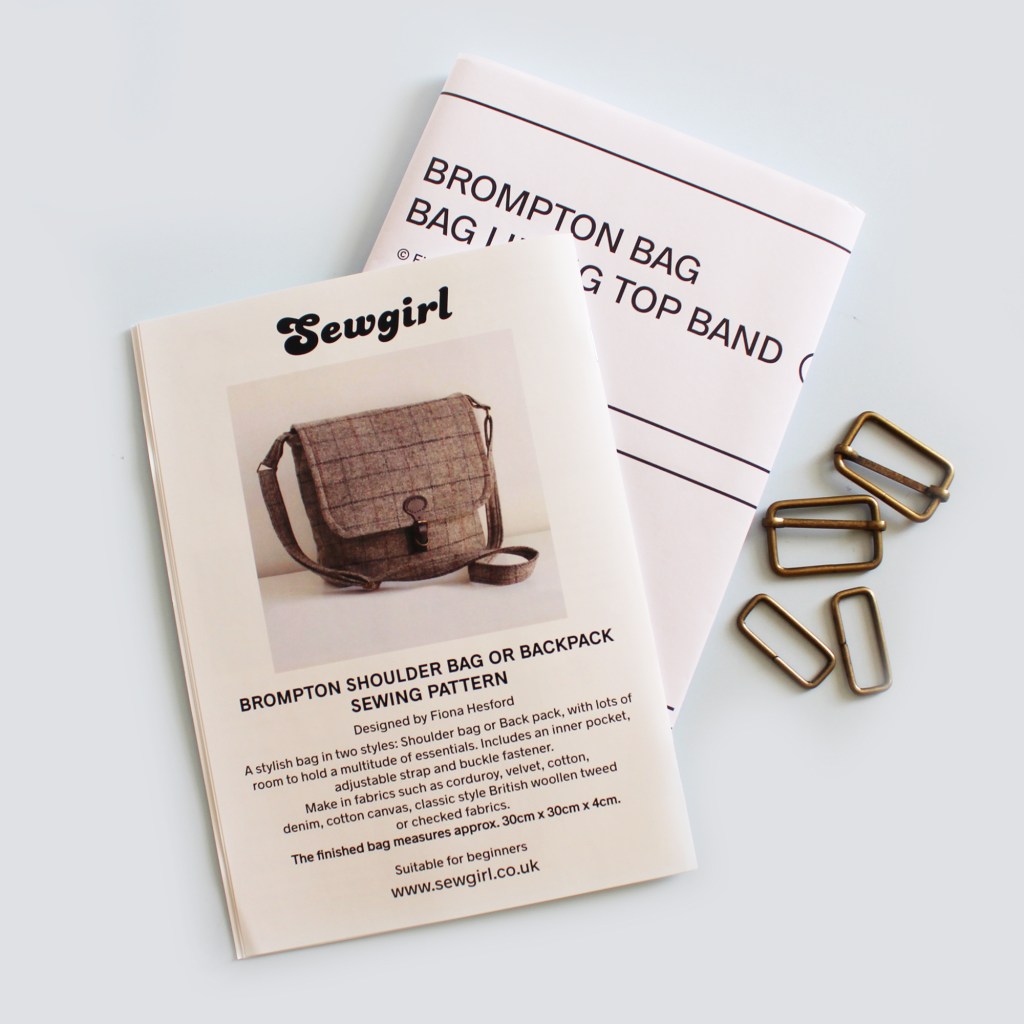
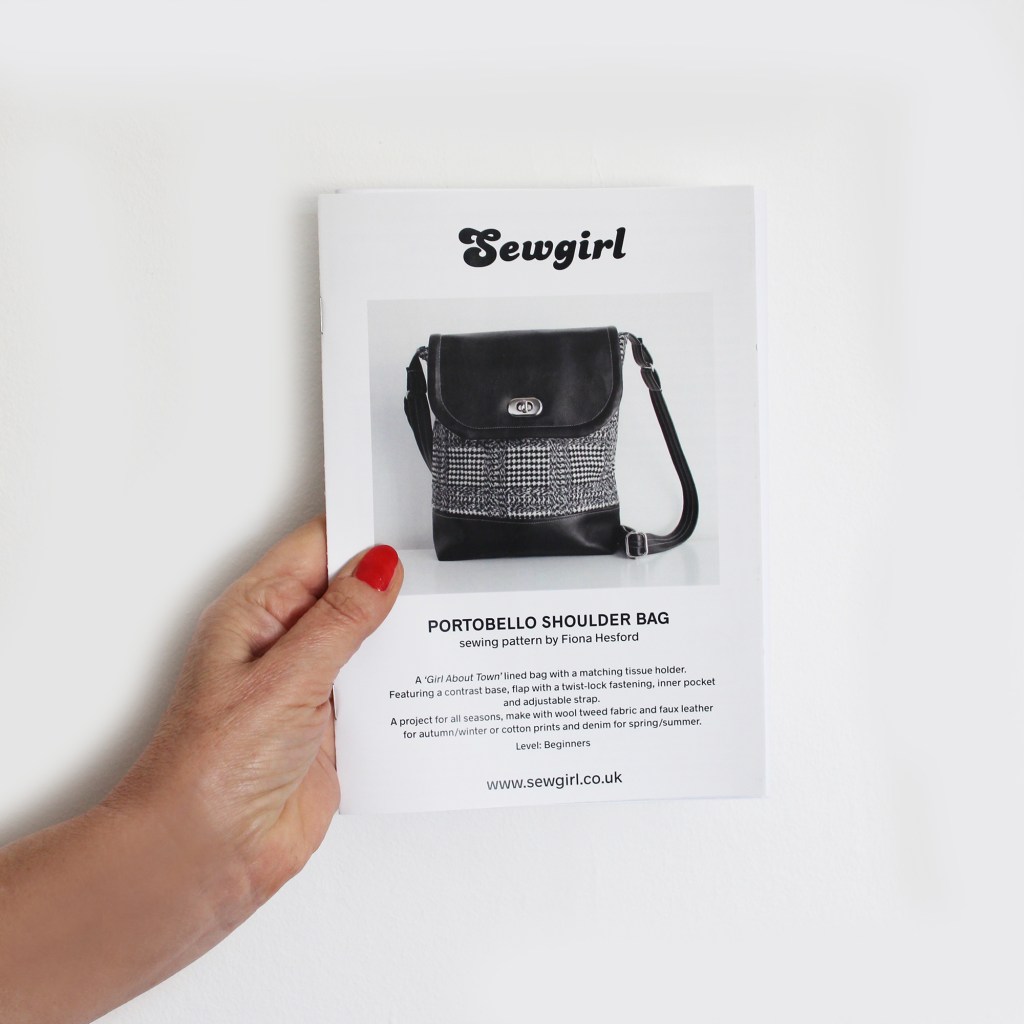
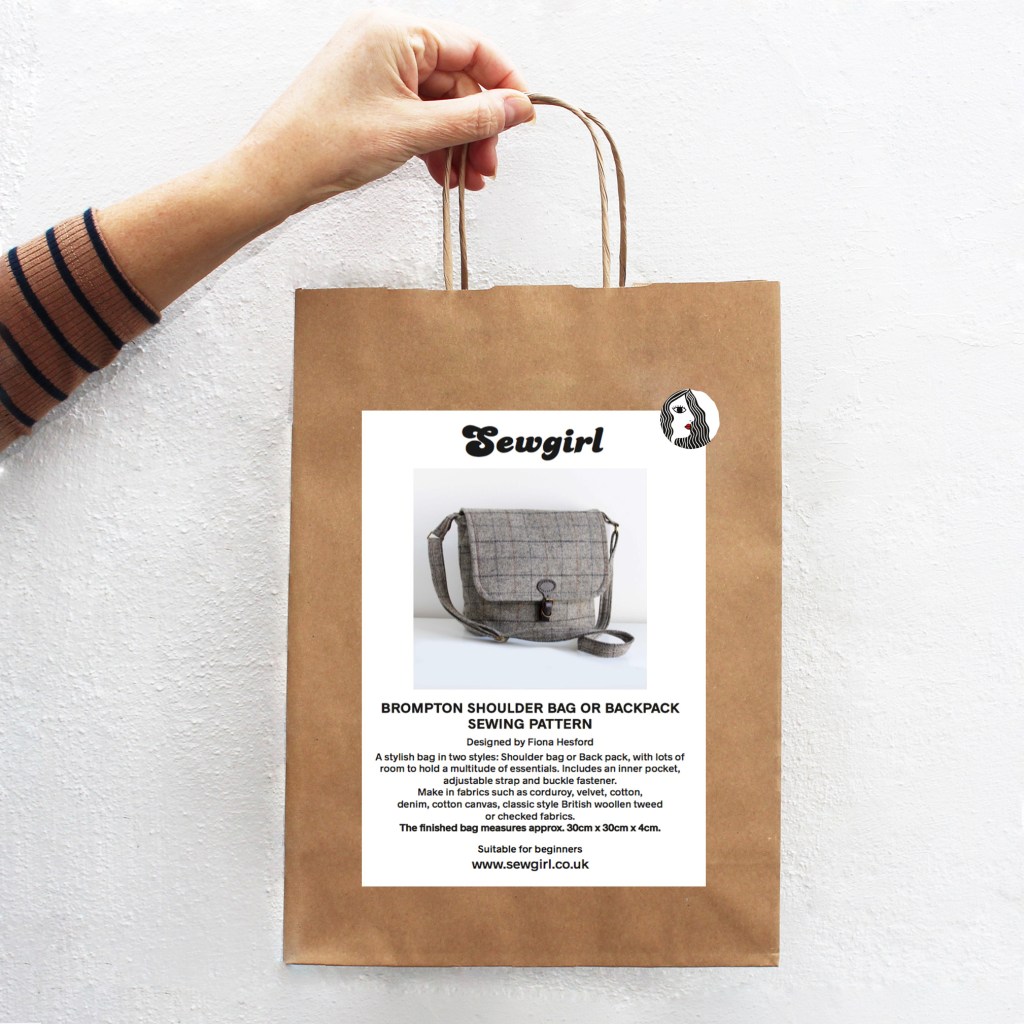
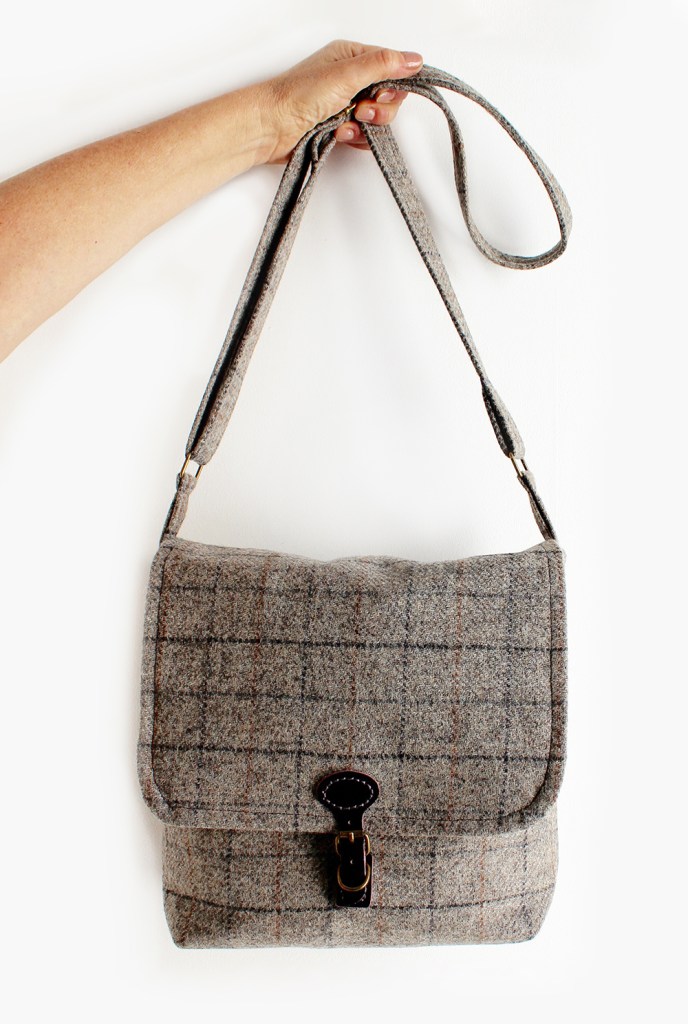
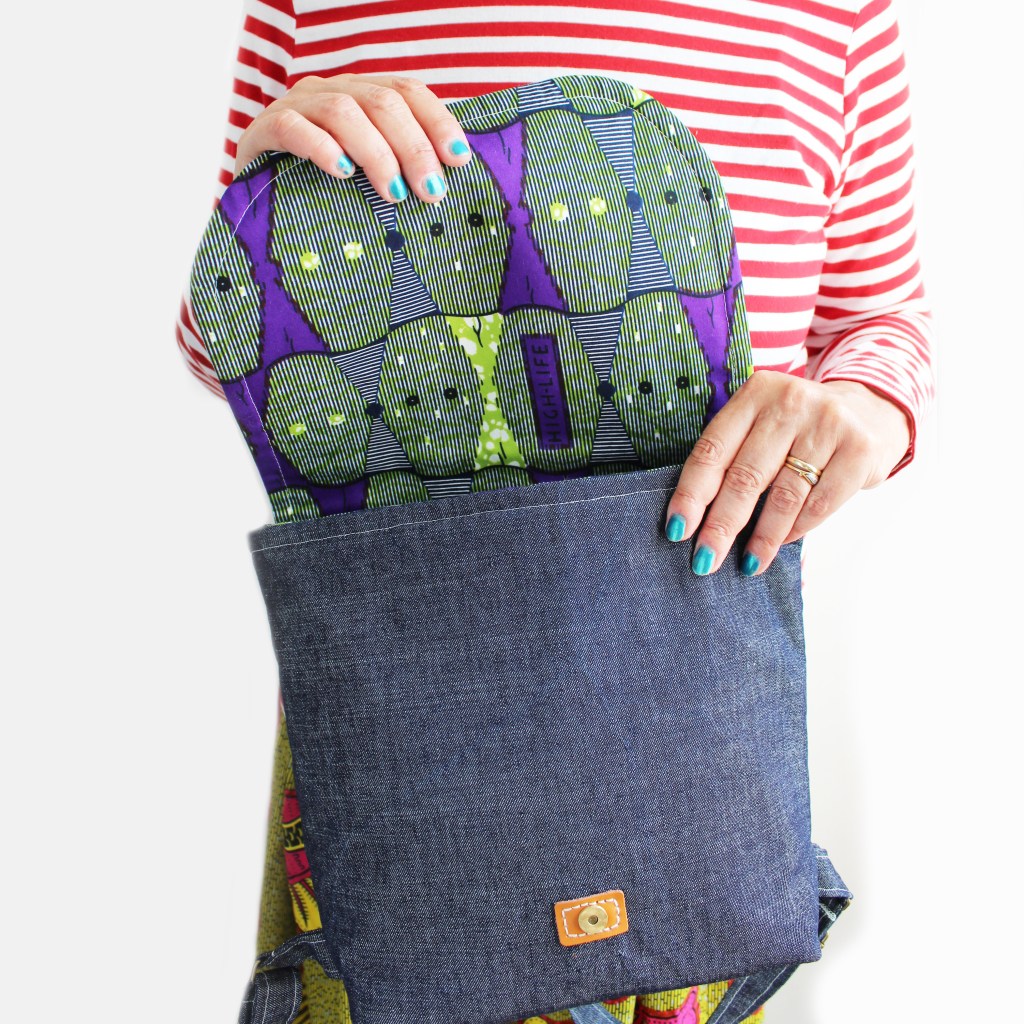
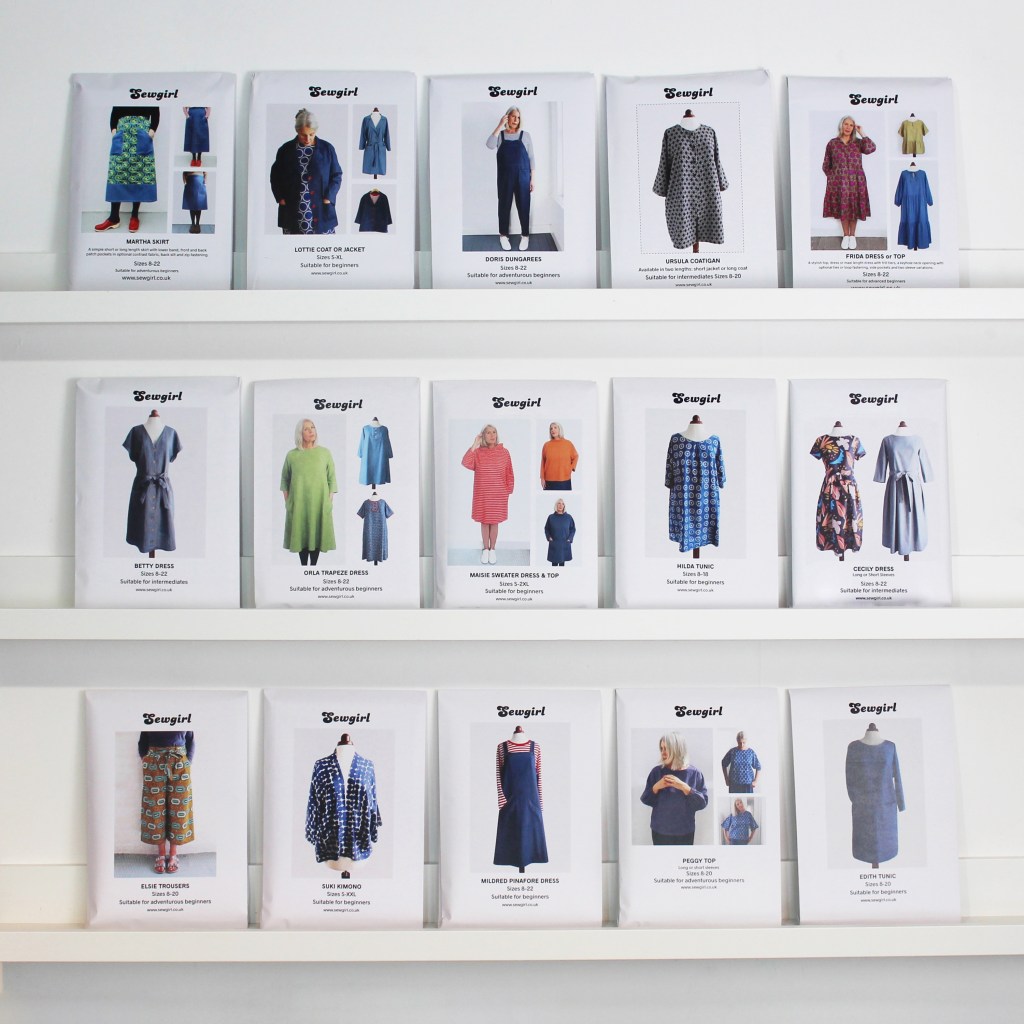
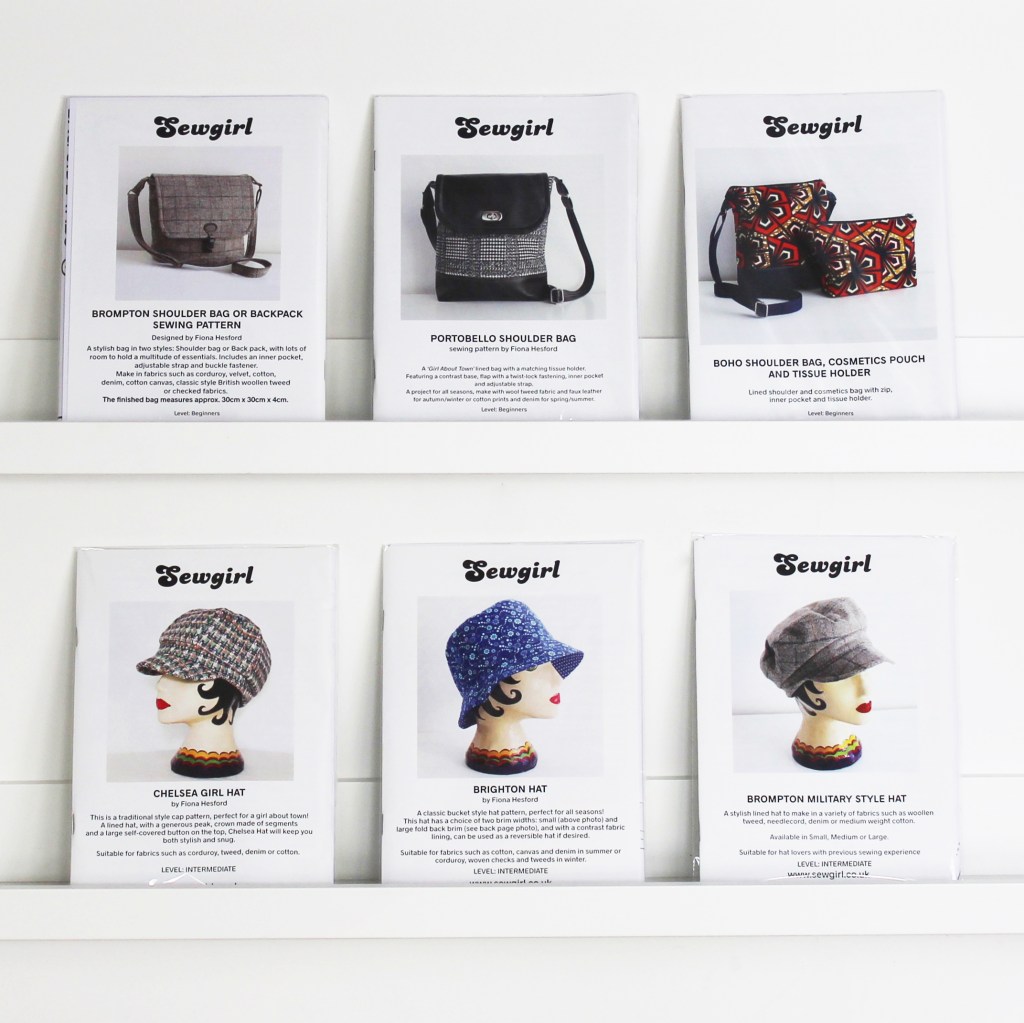
Making bags is one of my passions. Shoulder bags, back packs, cosmetic or baguette purses, I love them all! What a great way to get pattern into your daily life in a practical way. There are three bag patterns in the Sewgirl range: BROMPTON, which is both a Backpack and Shoulder messenger bag in one pattern, PORTOBELLO which is a ‘girl about town’ smaller shoulder bag and a BOHO bag which is a casual zip purse/bag.
All patterns come with actual size templates and a step by step illustrated booklet showing you every step of your bag making journey.
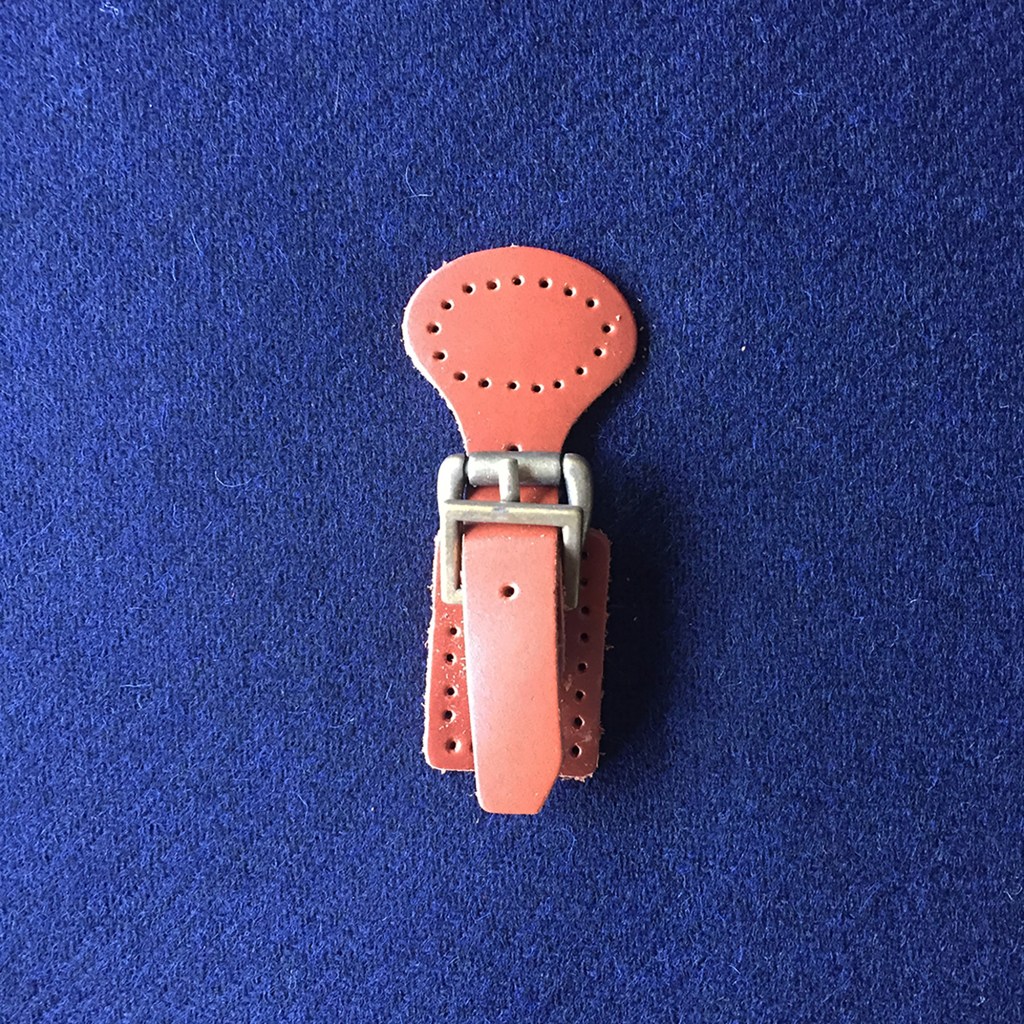
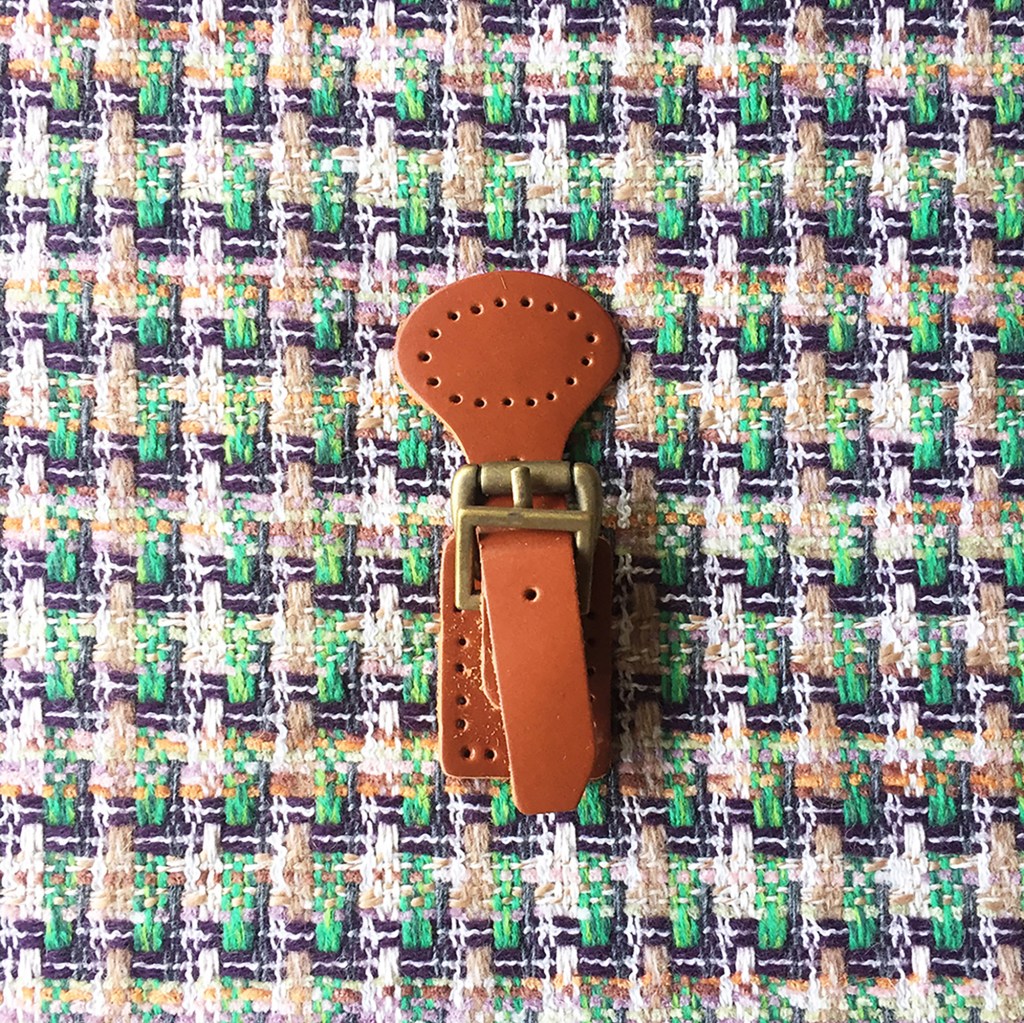
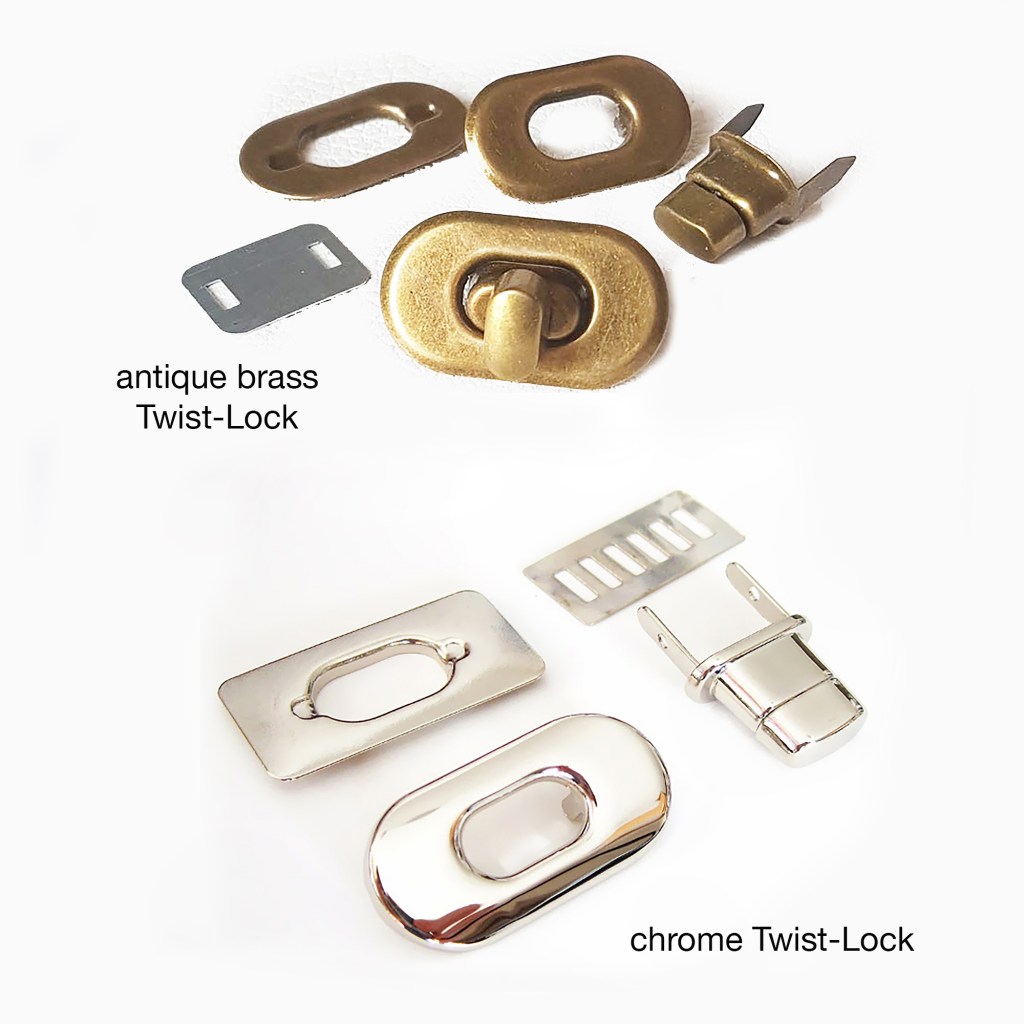
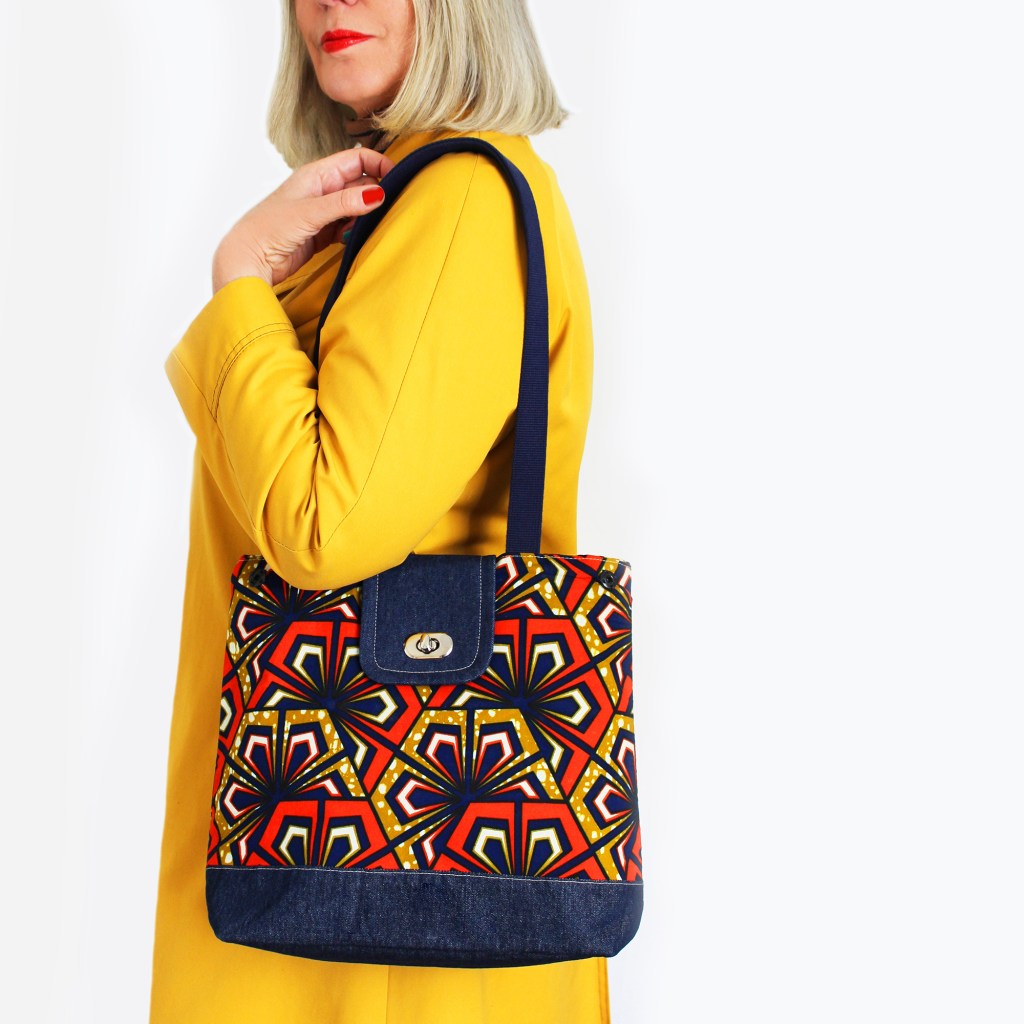
Here is a good Noodle Head YouTube tutorial about inserting a Twist-lock (otherwise known as a Turn Lock) that may help you when inserting this type of fastening.
HOXTON TOTE
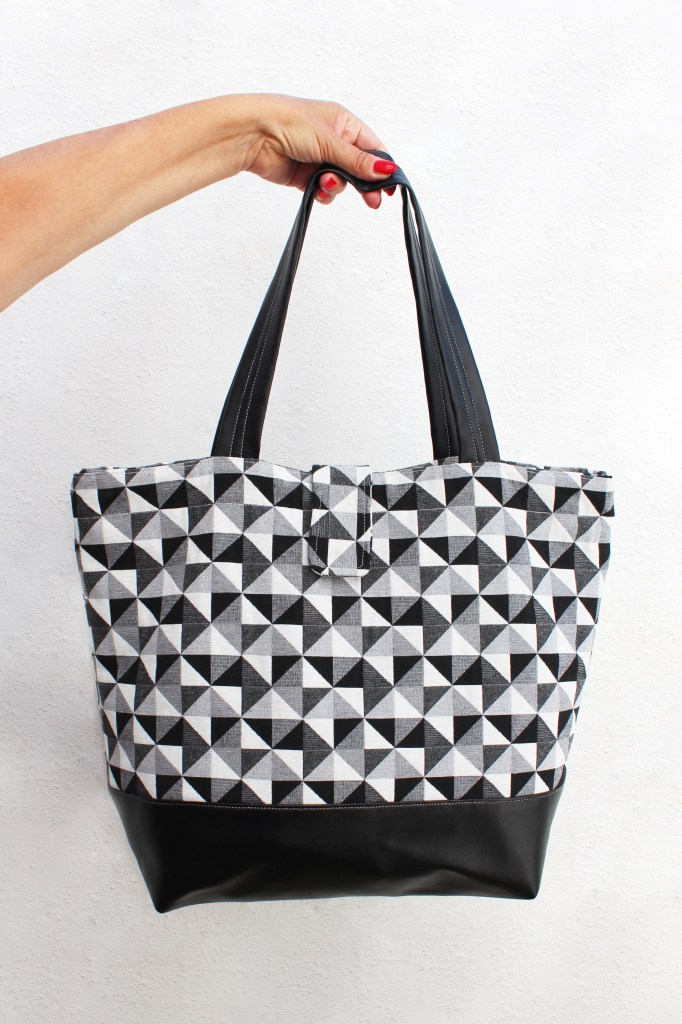
PATTERN ERRATA: please note that the seam allowance is 1cm and the lining should be cut to the measurements specified and not traced using the outer as a template.
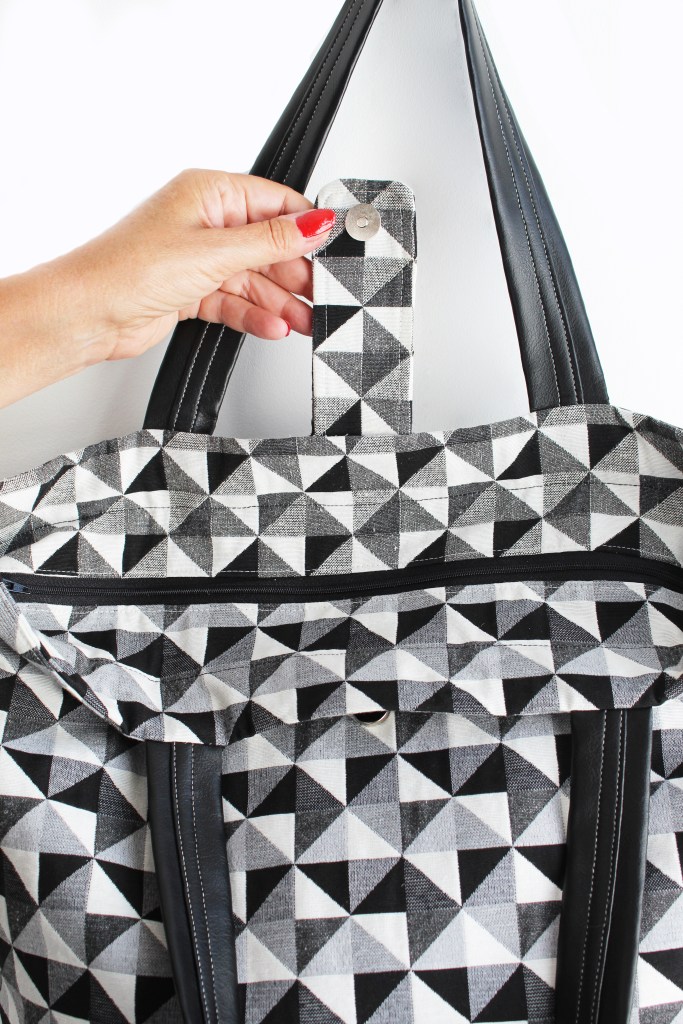
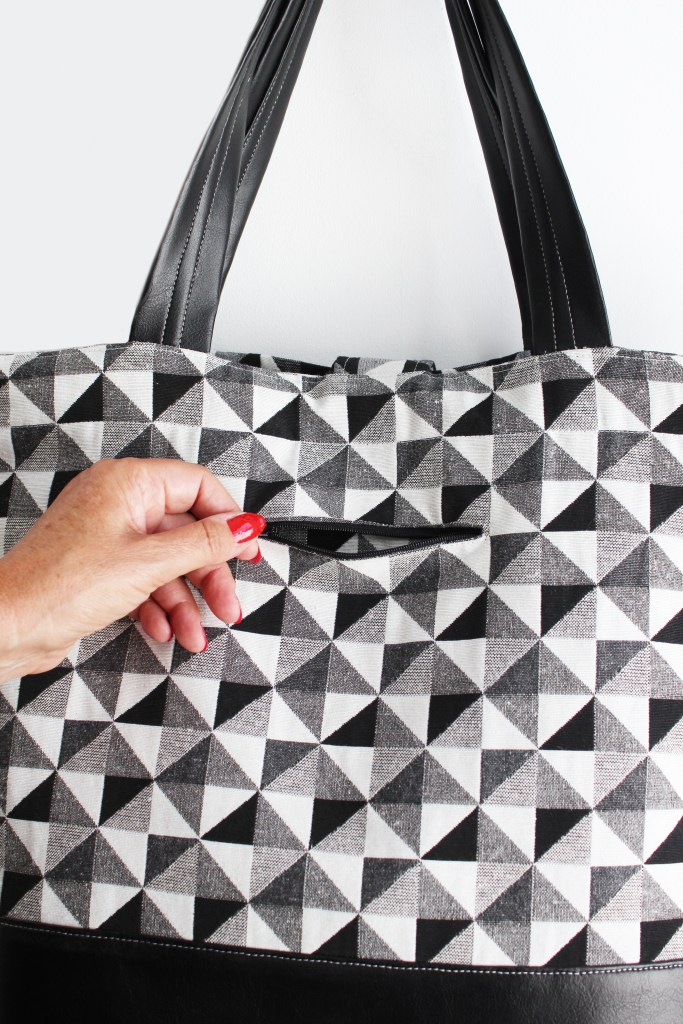
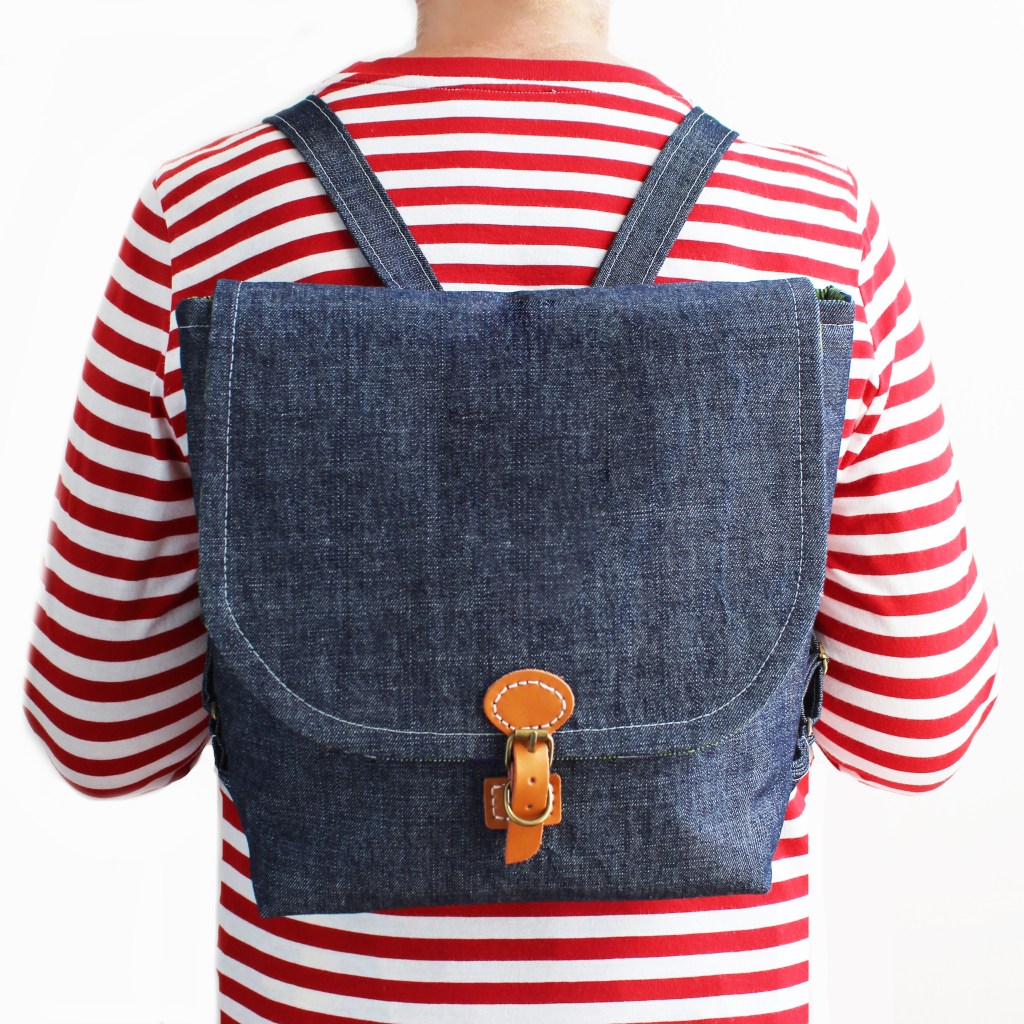
To purchase a bag pattern or kit please visit the Sewgirl shop (link button below).
All images and text are copyright Fiona Hesford.
Please ask permission if you would like to use any of the images in this blogpost.
Thankyou
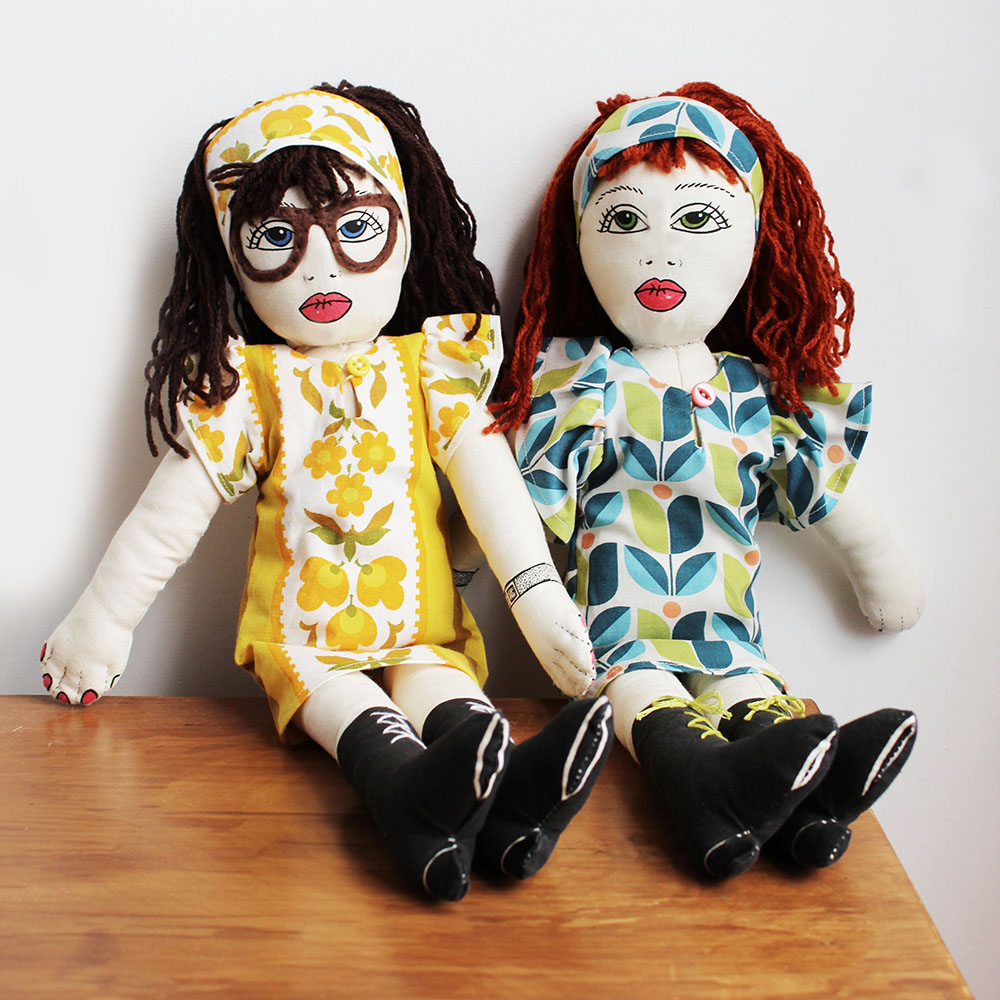
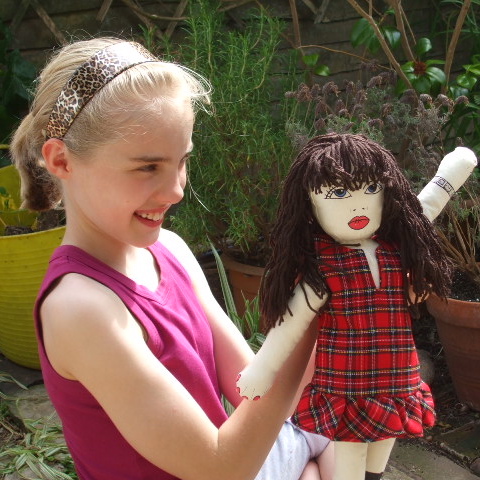
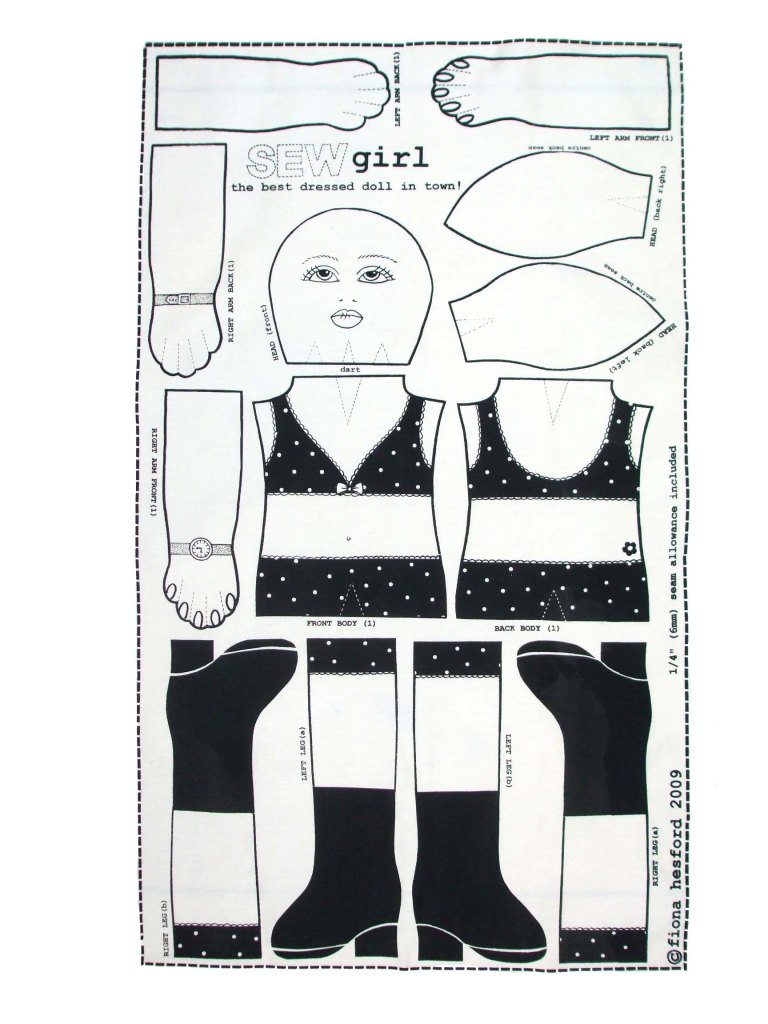
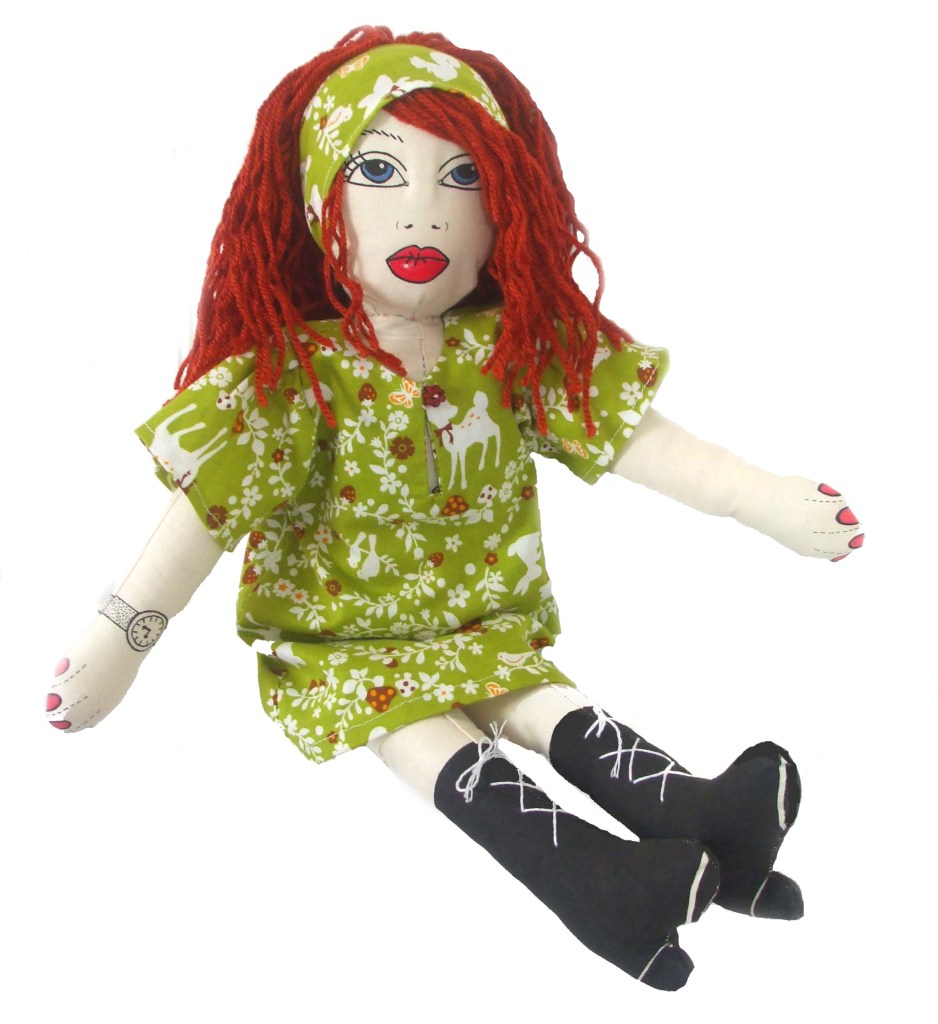
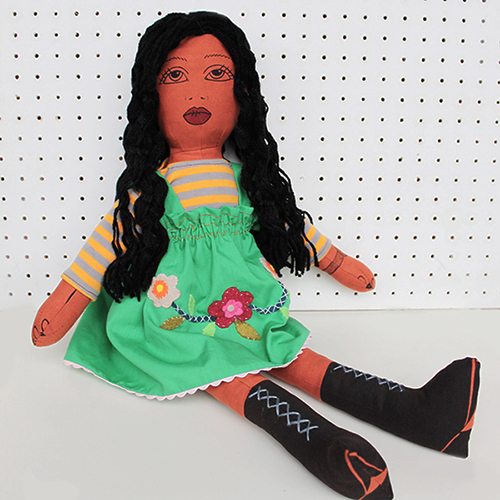
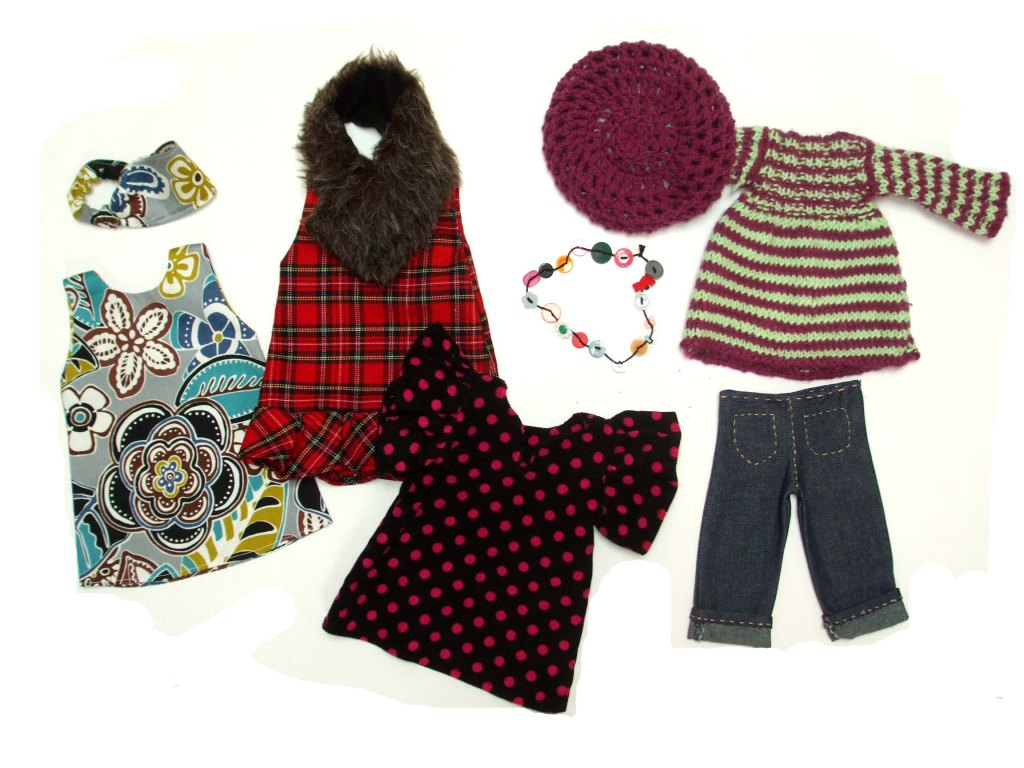
Sewgirl Doll is a fashion doll made from a unique printed cotton panel. She features a watch, daisy tattoo, little natty boots and cute spotty undies.
Cut out the pieces, sew her up, stuff her, add hair and make her clothes from the templates that you can download for free from this page.
Instructions about making the doll are also available to print from this blog page.
You can embroider or paint in her eyes, lips and nails with marker pens or embroidery thread and just add detail as you wish. She is canvas for your creativity.

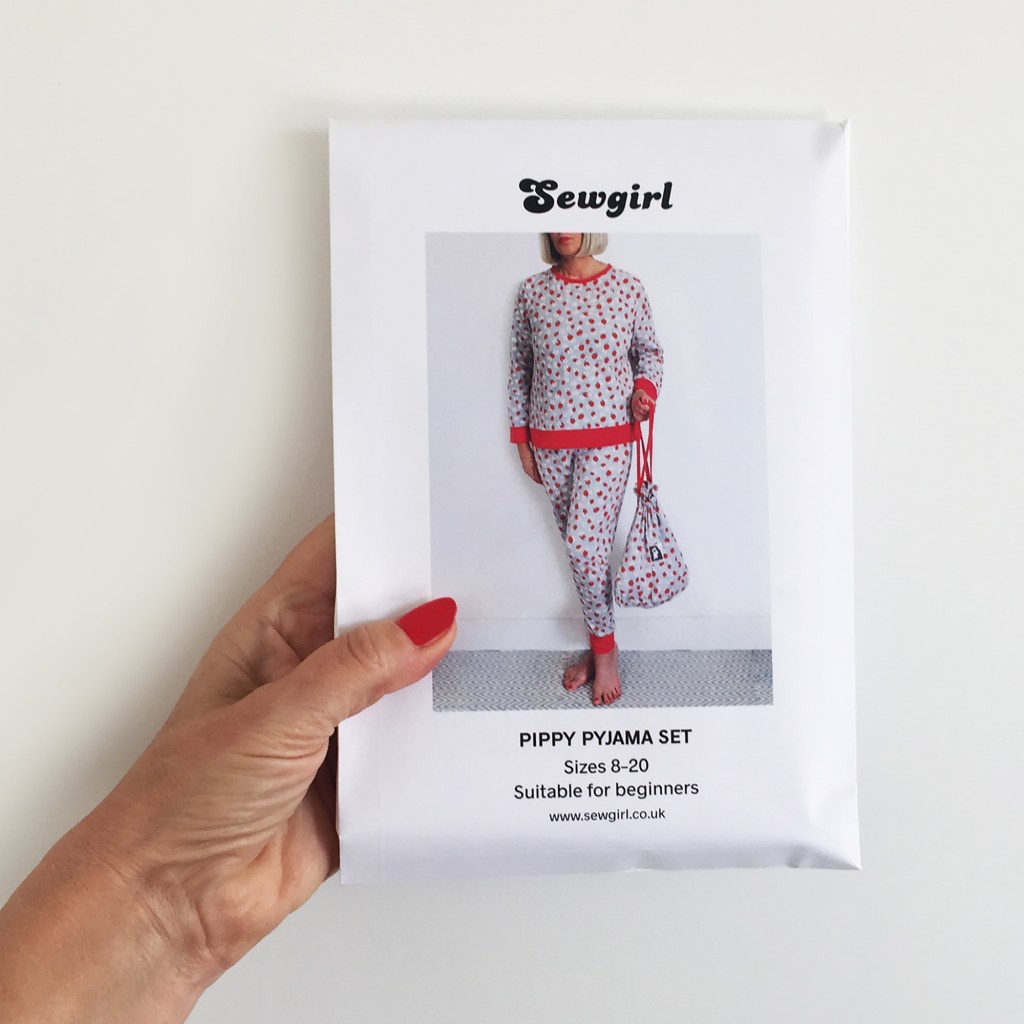
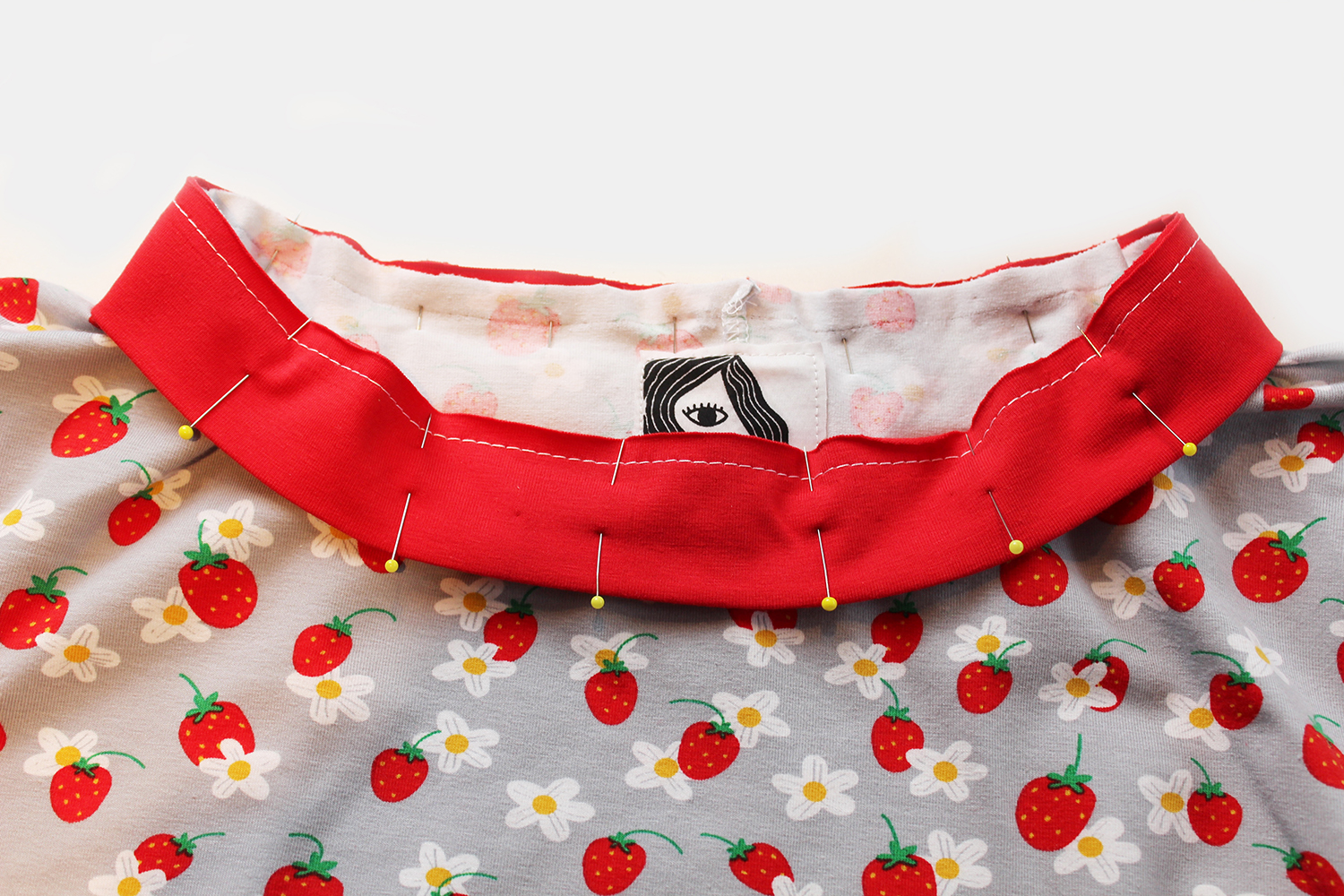
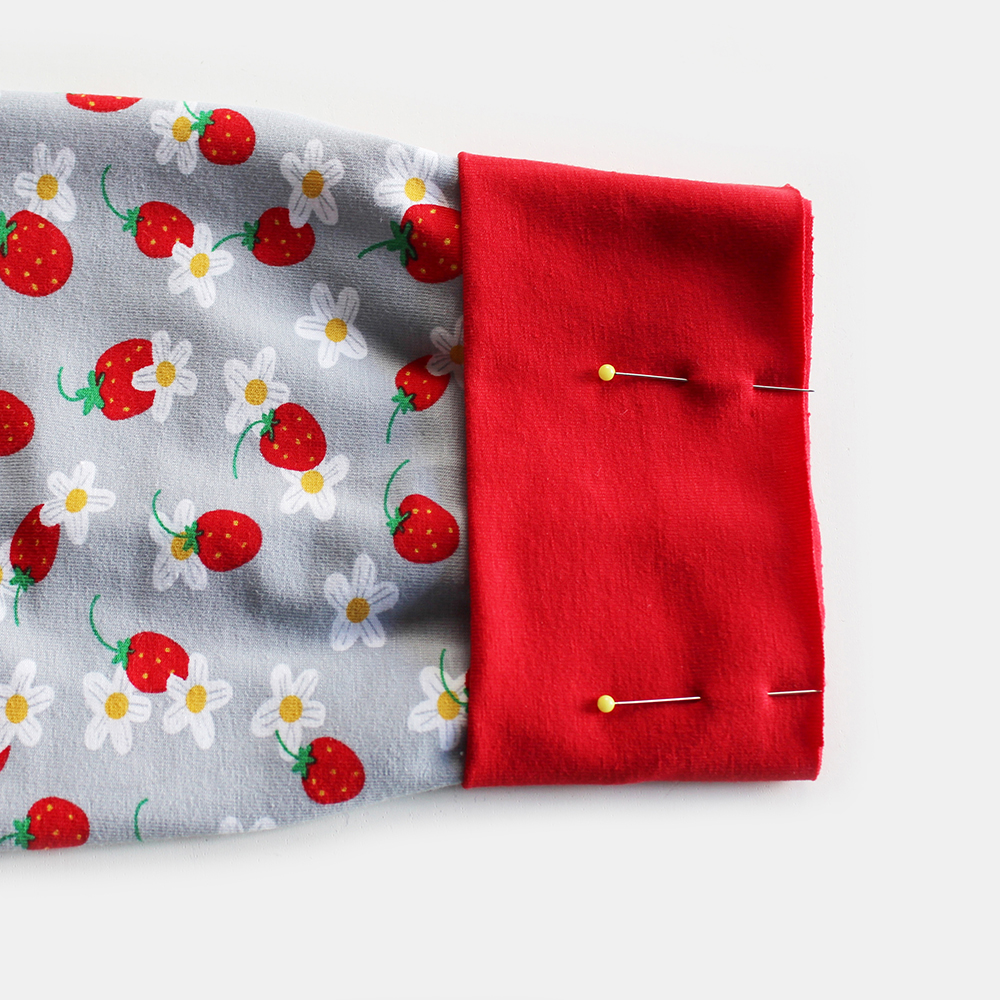
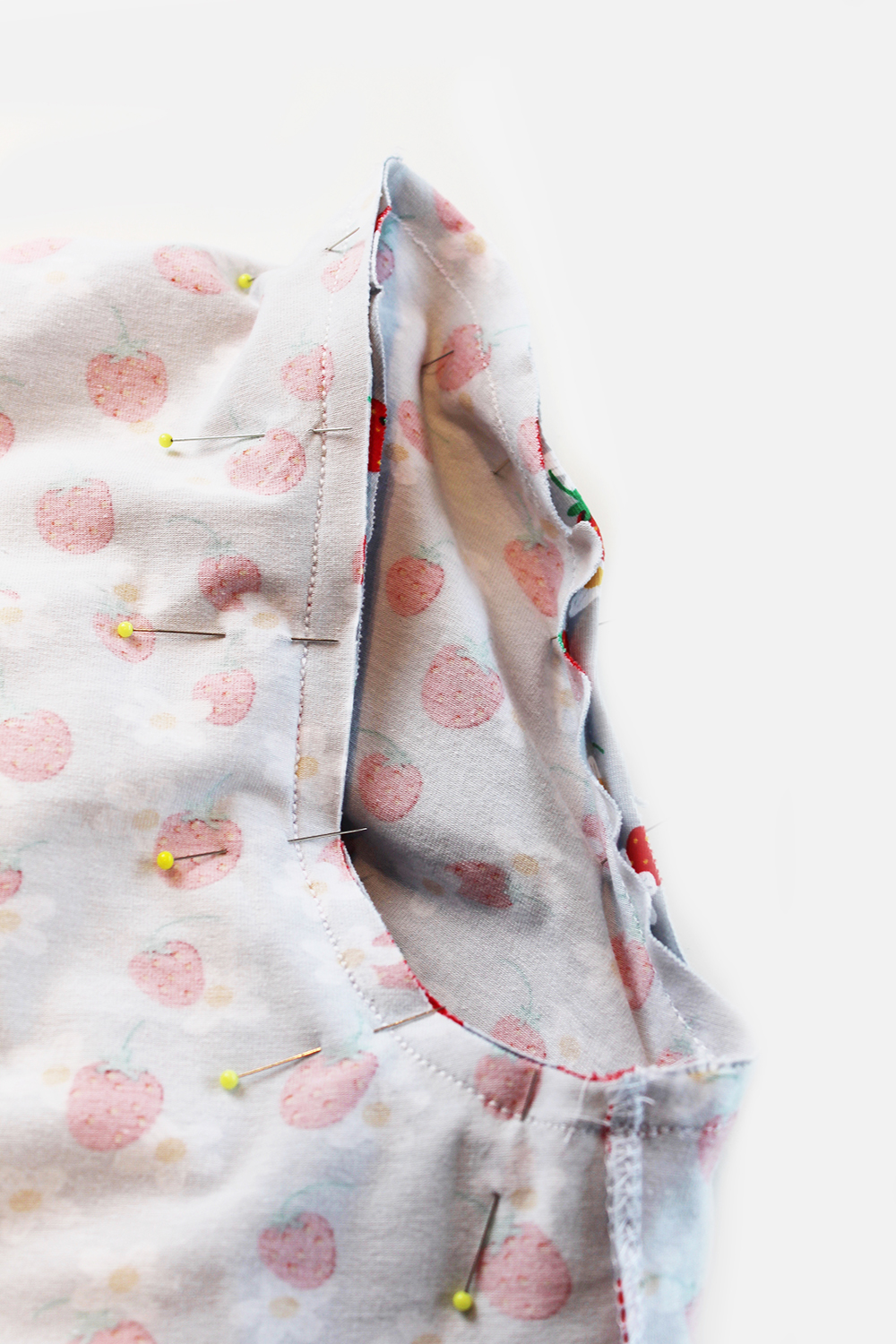
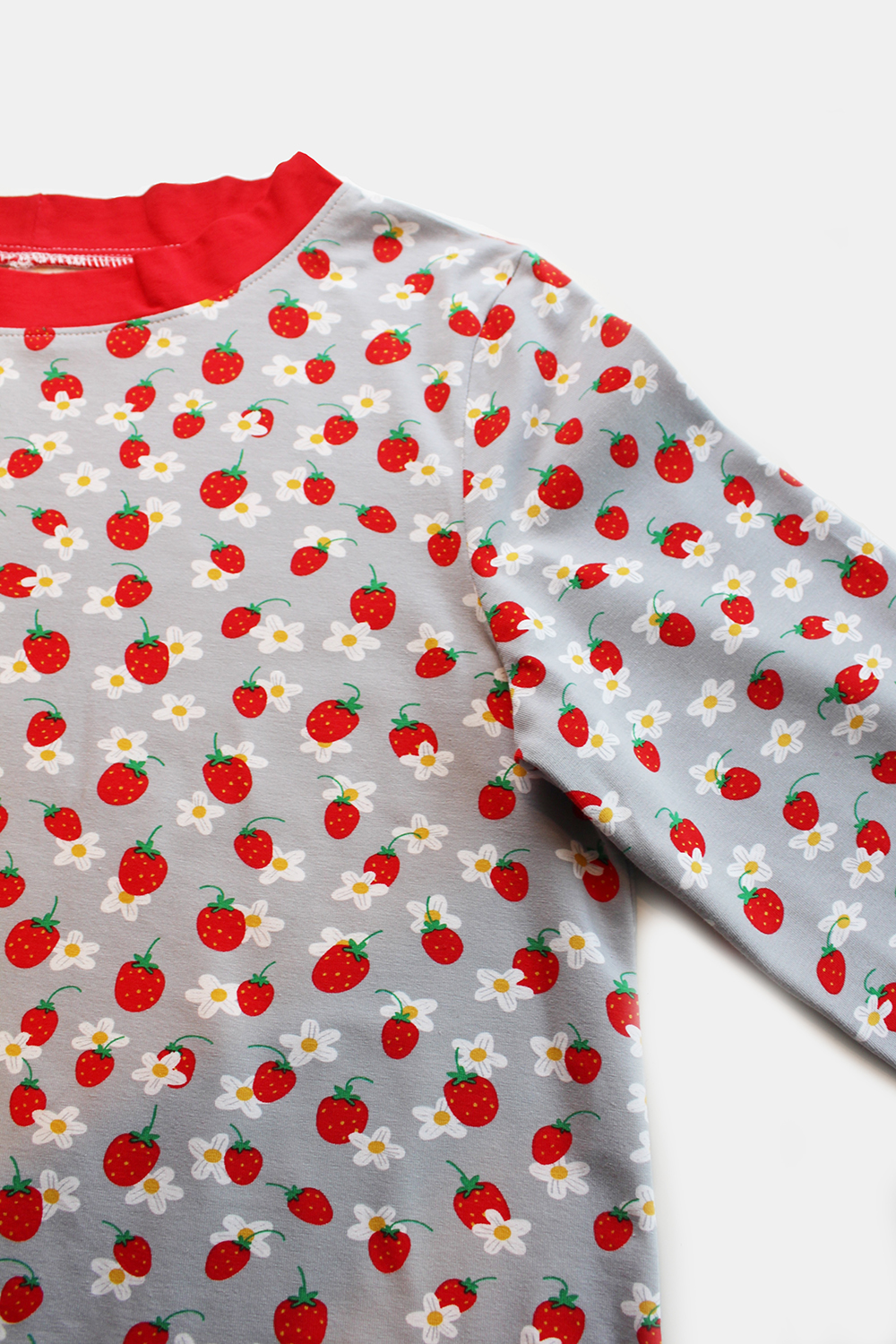
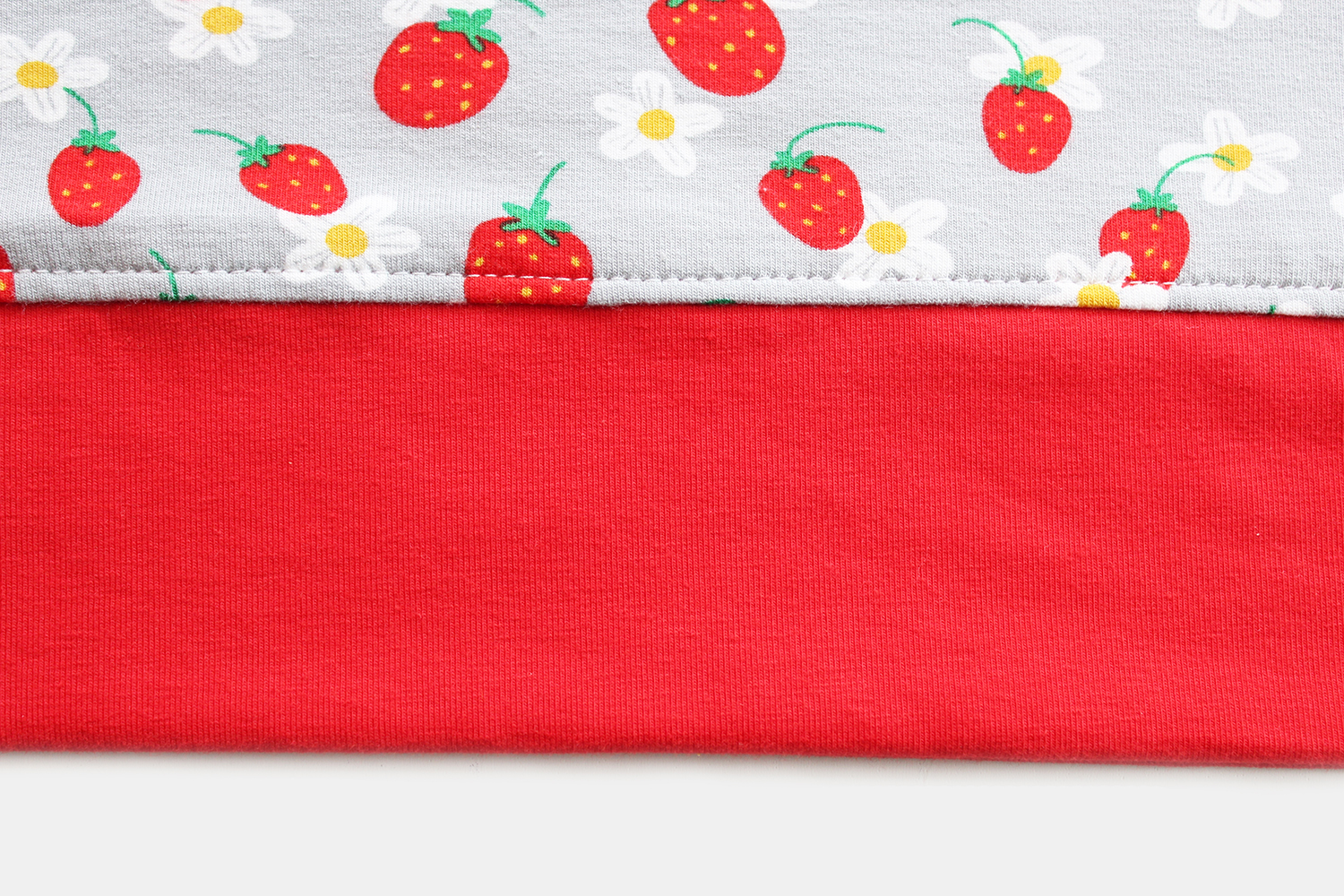
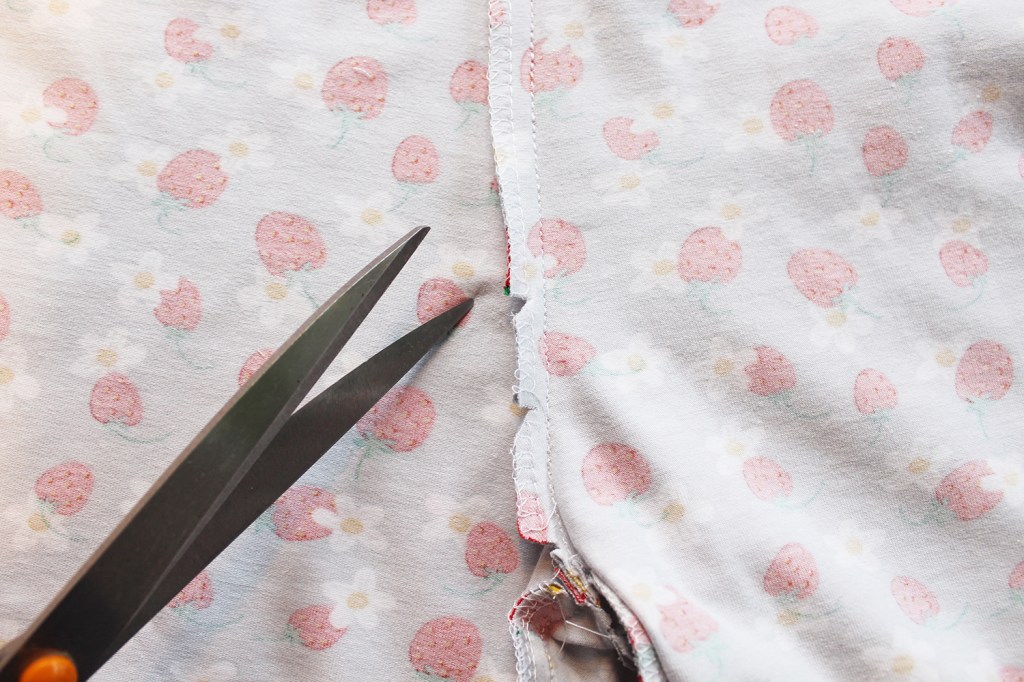
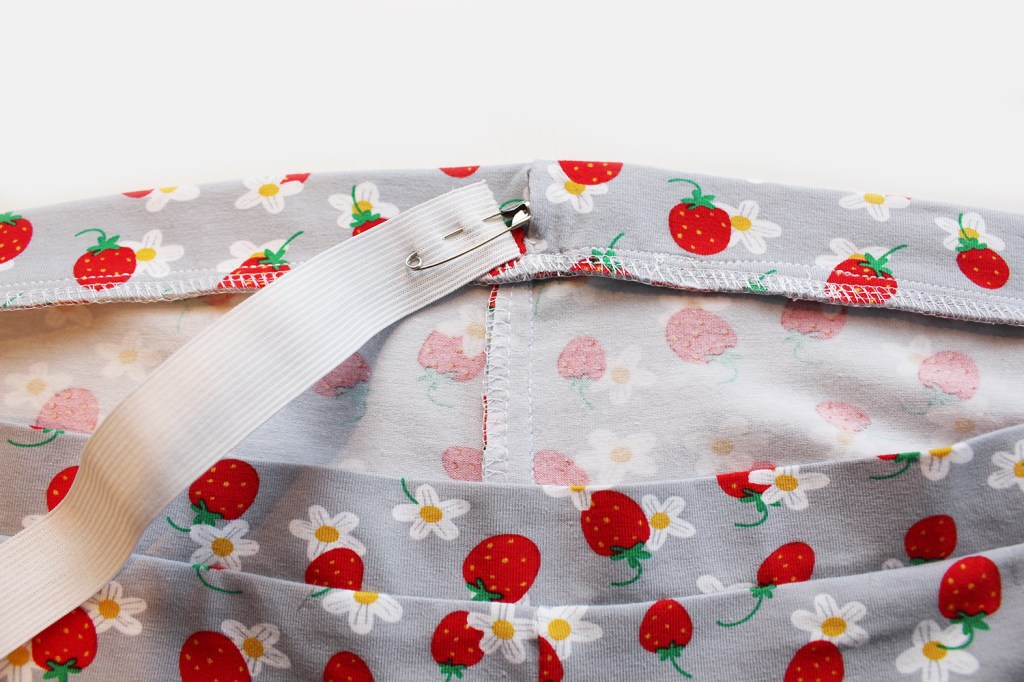
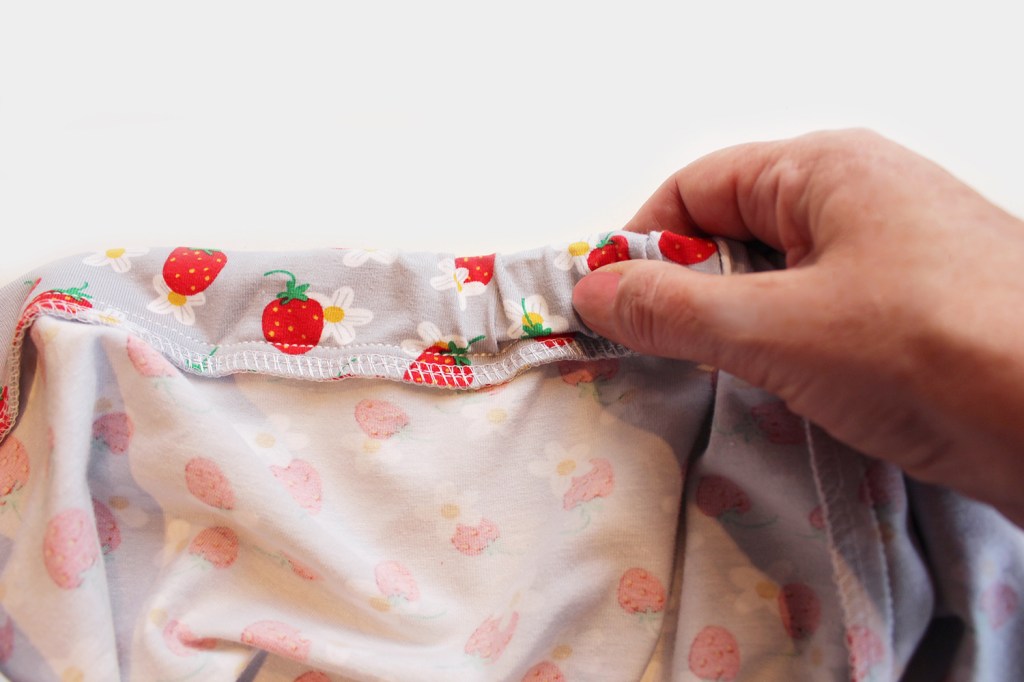
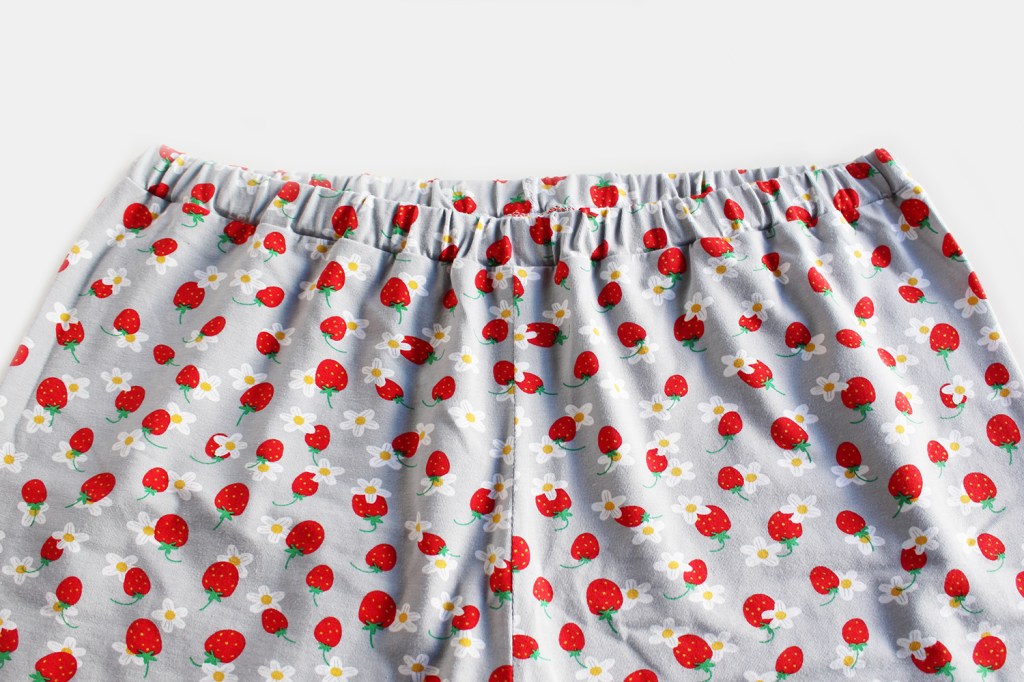
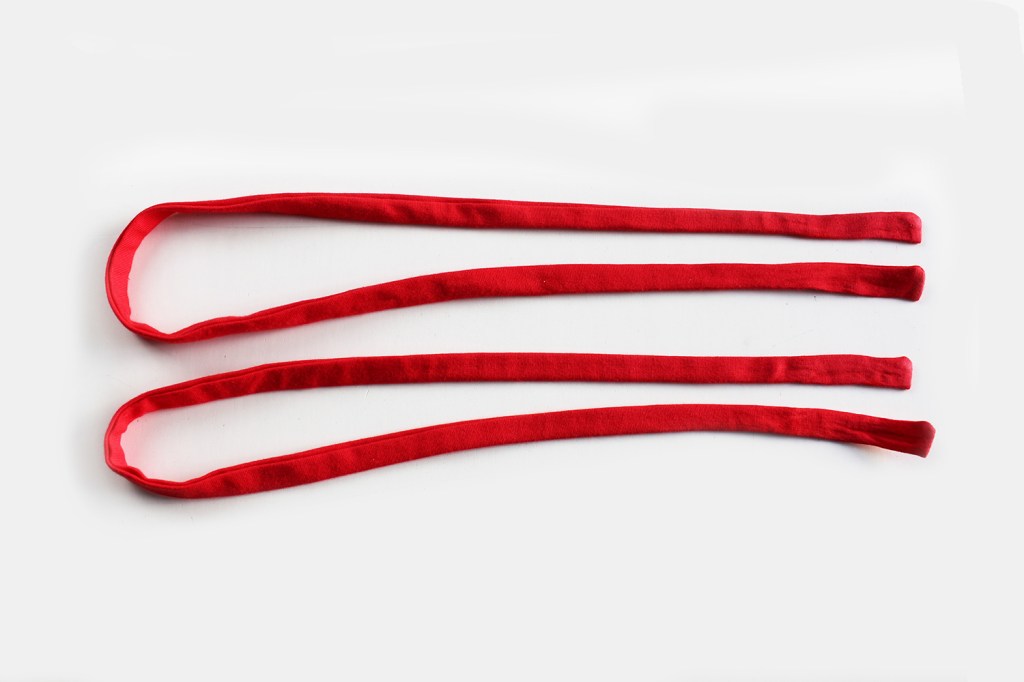
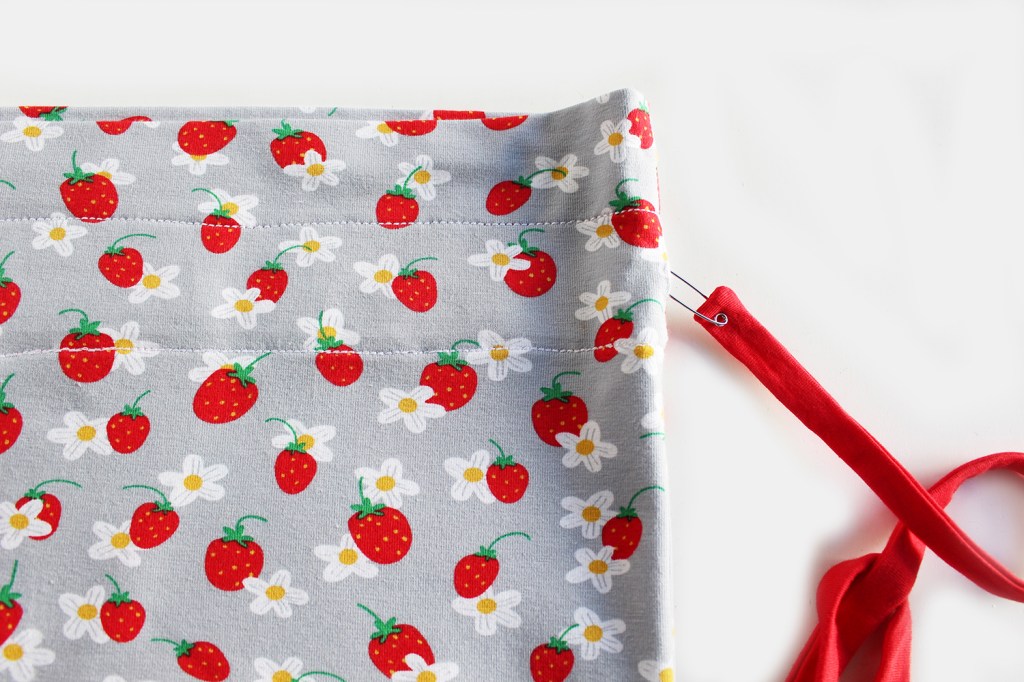
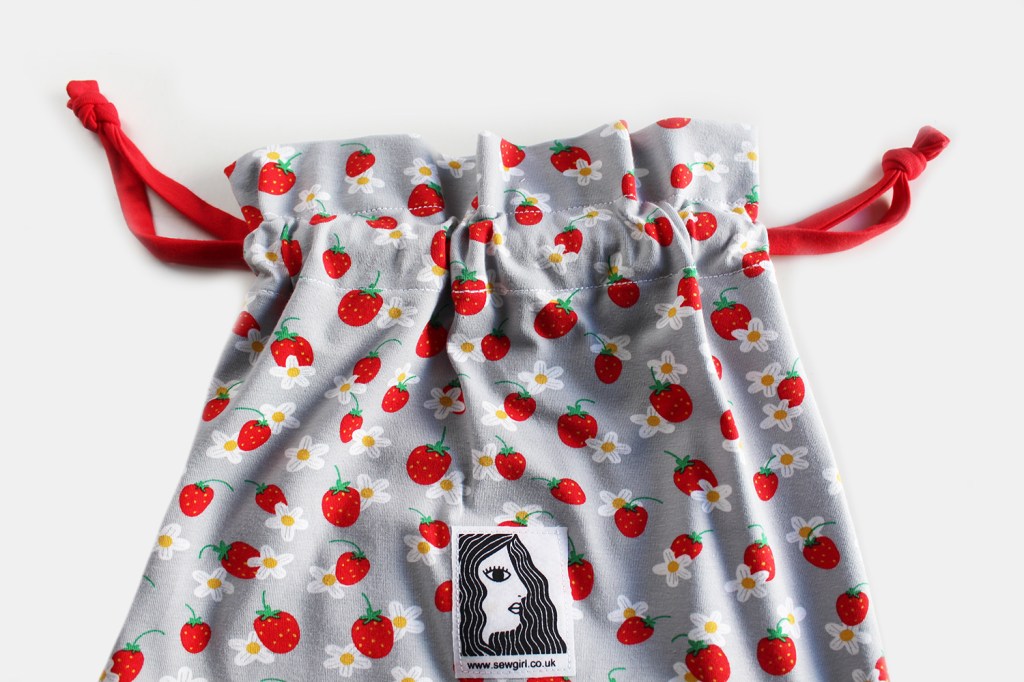
What a fab beginners bedtime project and such to fun make!, with its matching drawstring bag to keep them in. Actually, this pattern is SO much more than just pyjamas! you could make the top as an everyday garment and the bottoms as sweat or jogging pants, so its pretty versatile practical pattern that you will make again and again.
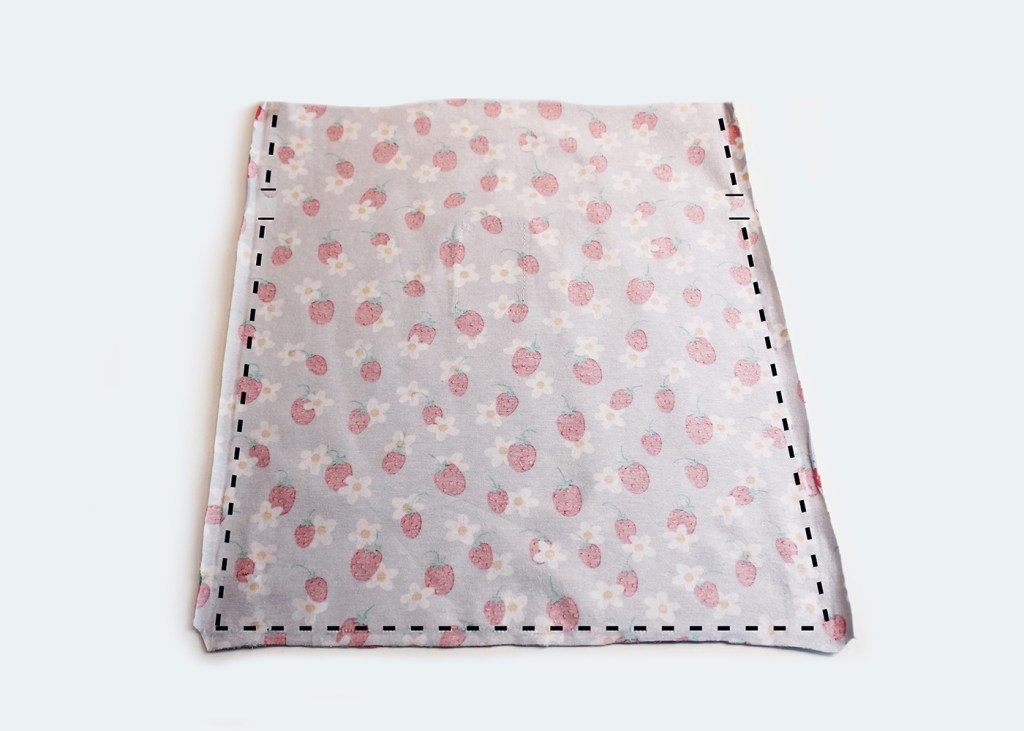
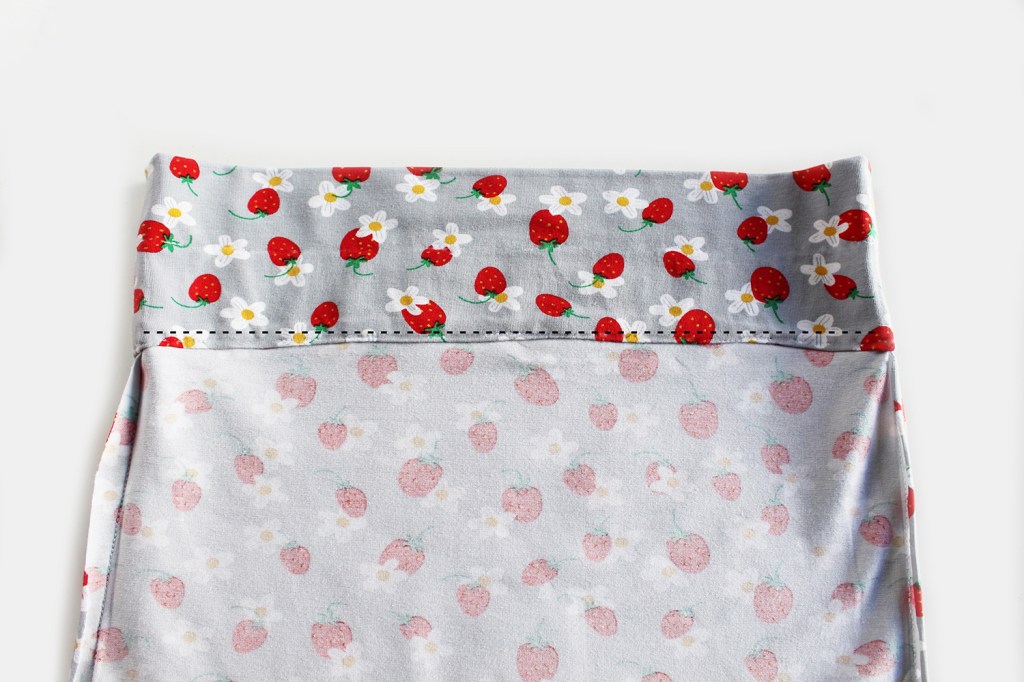
Using stretch jersey is very forgiving, making it a great beginners fabric choice, just pop a ‘stretch’ or ‘ballpoint’ needle on your machine and off you go. And by the way, don’t worry if you don’t own an overlocker, most cotton stretch jersey fabrics don’t tend to fray anyway, so why not just leave your edges raw.

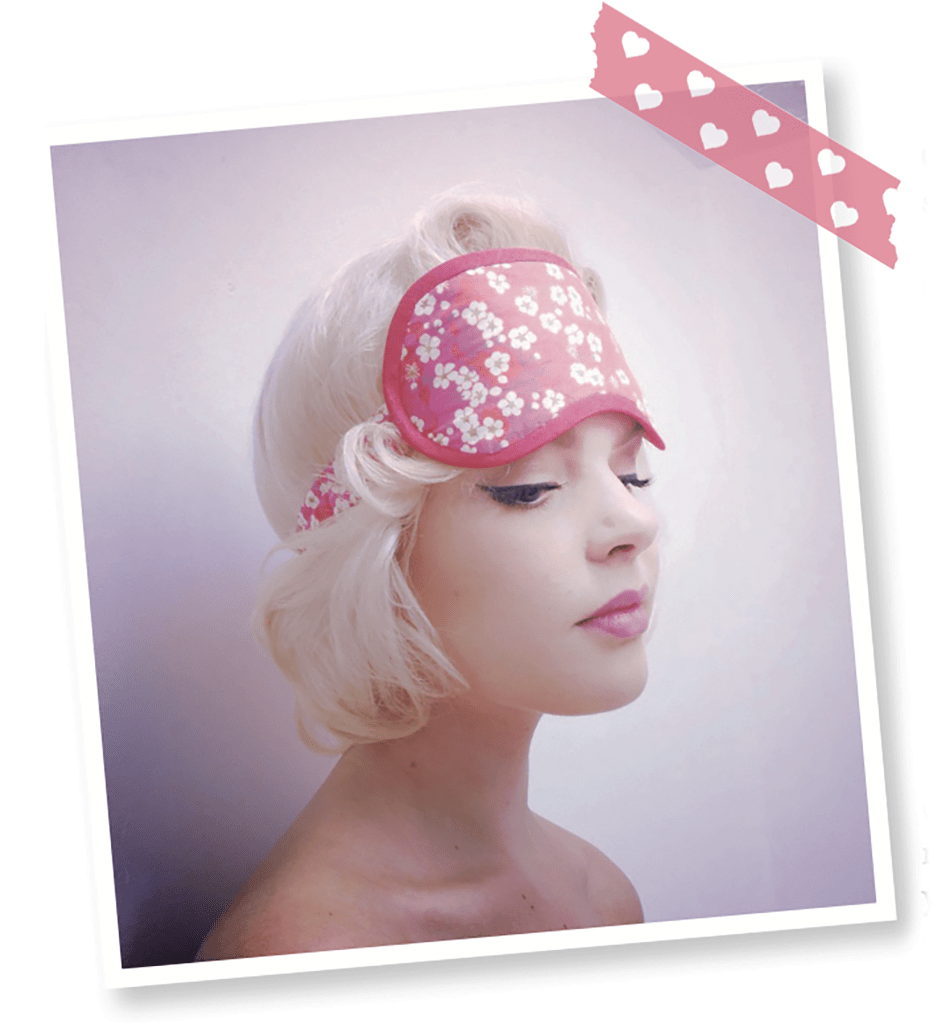
Also If you fancy making a Sleep Mask why not download this free pattern and template. Just make sure to print off the template at 100%.
HOW TO MAKE PIPPY PYJAMAS













Sewgirl welcomes wholesale enquiries. Please email your interest to: info@sewgirl.co.uk stating your type of business and whereabouts and we would be delighted to send you our info pack.
I look forward to hearing from you!
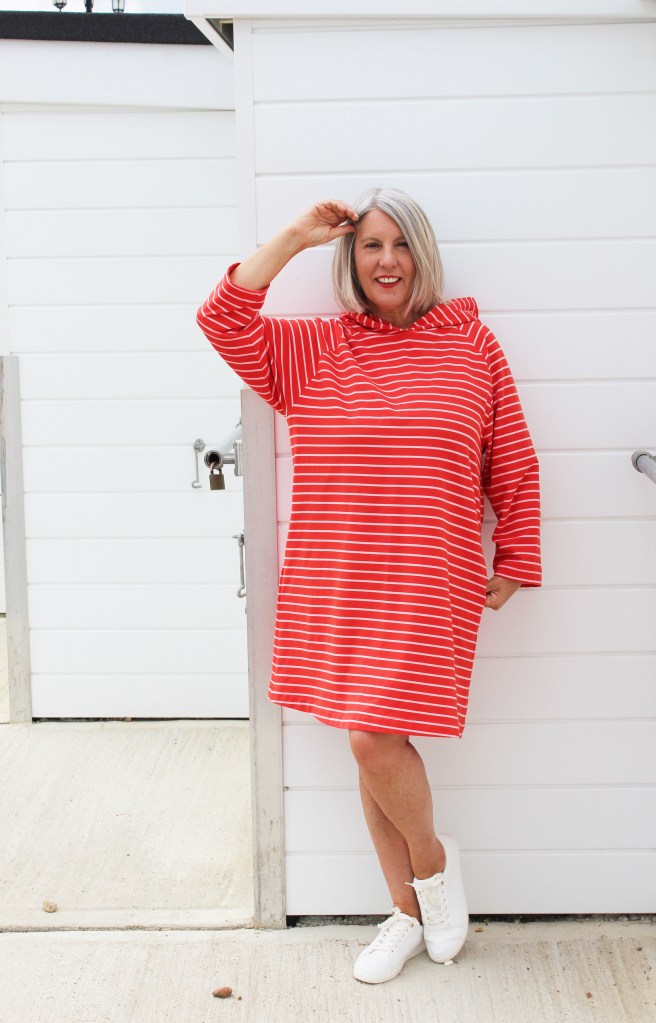
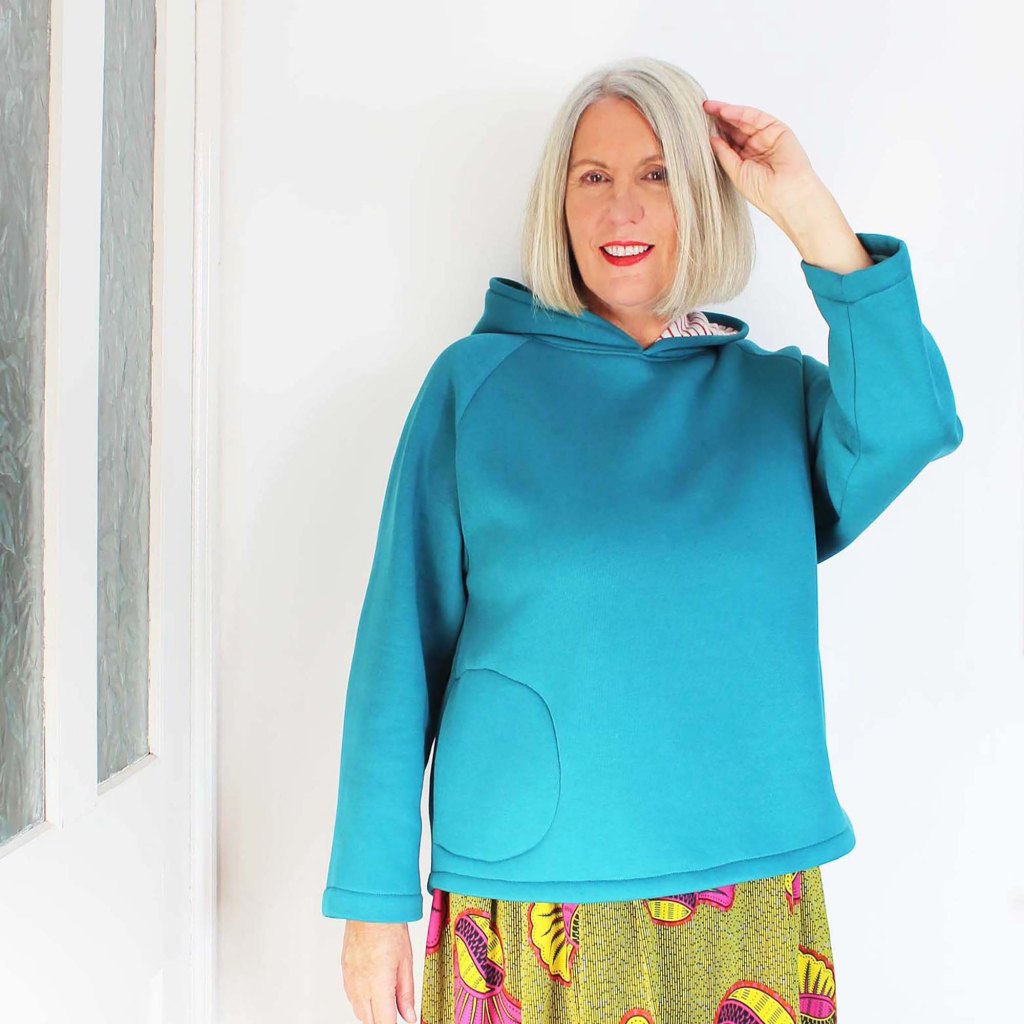
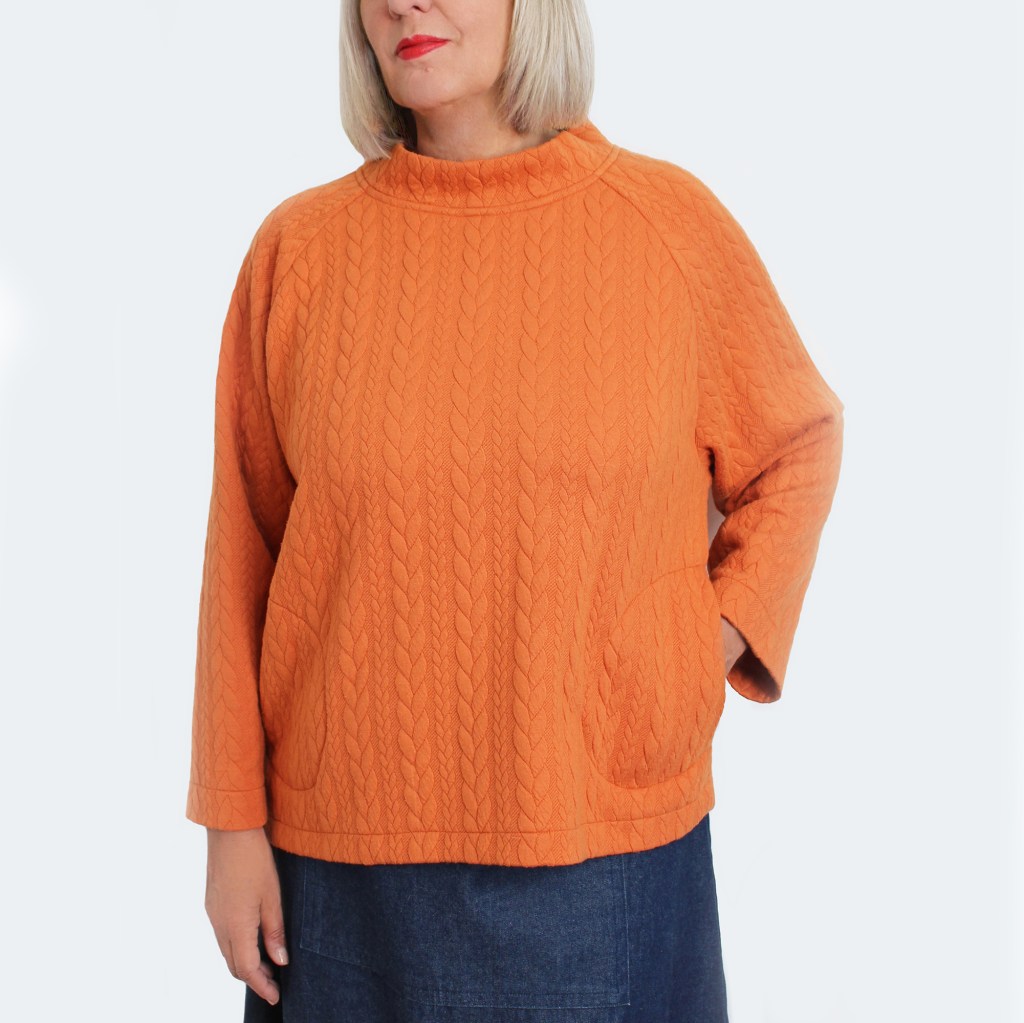
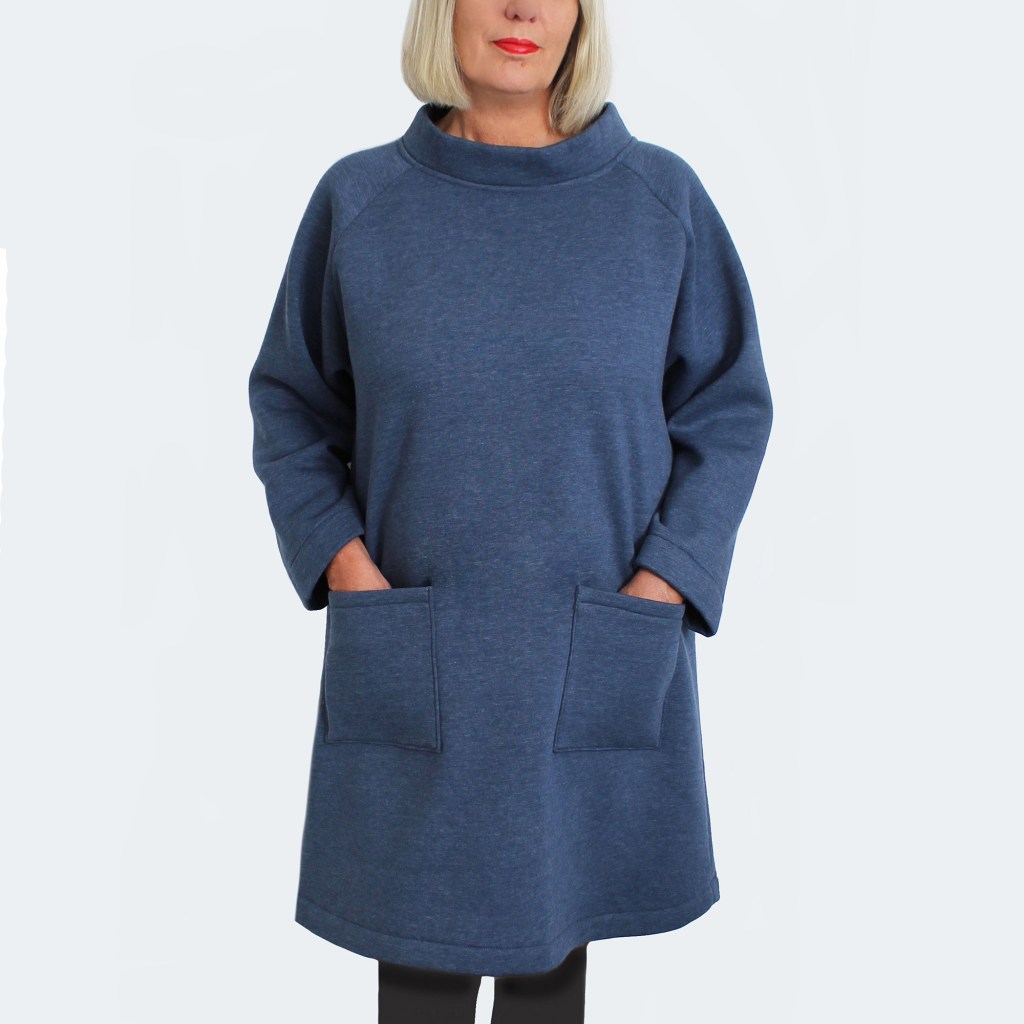
So….at last! a Sewgirl beginners stretch jersey project- its been a long time coming. A nice and snuggly garment inspired by my trips to the beach and wanting to feel cosy when I go for my sea swims (yes you heard right!) I’m planning on swimming through the winter….hmm! We will see if that happens.
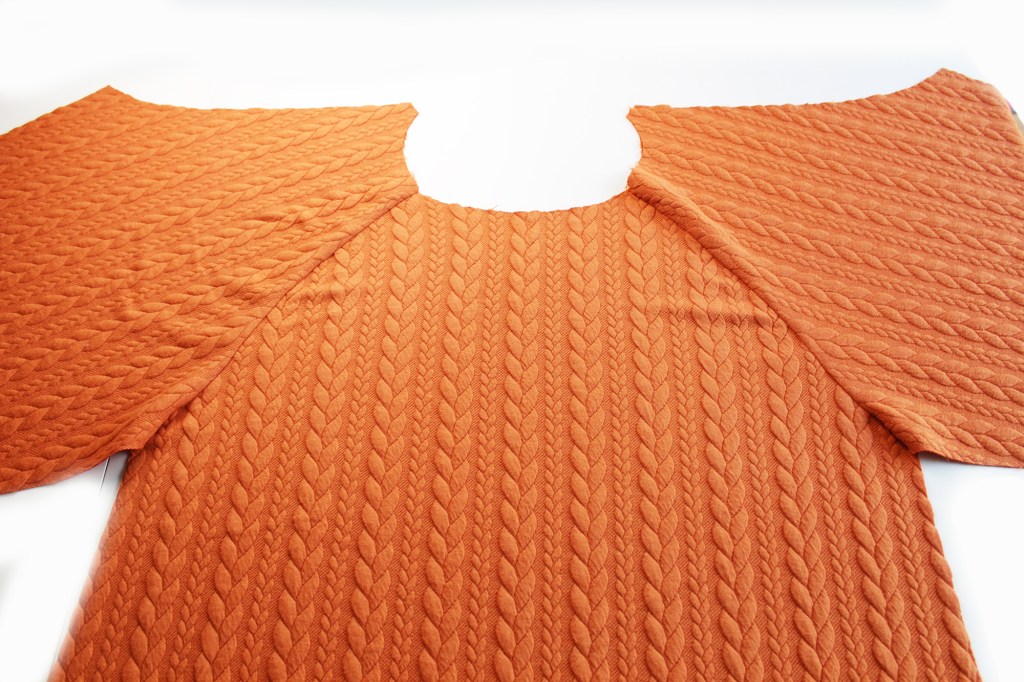
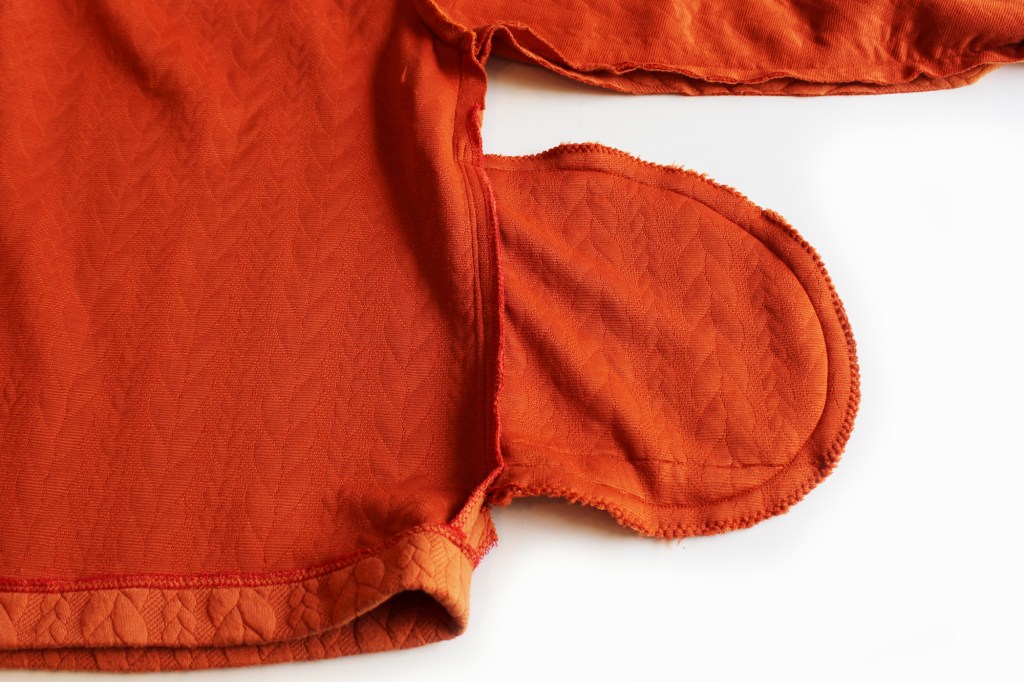
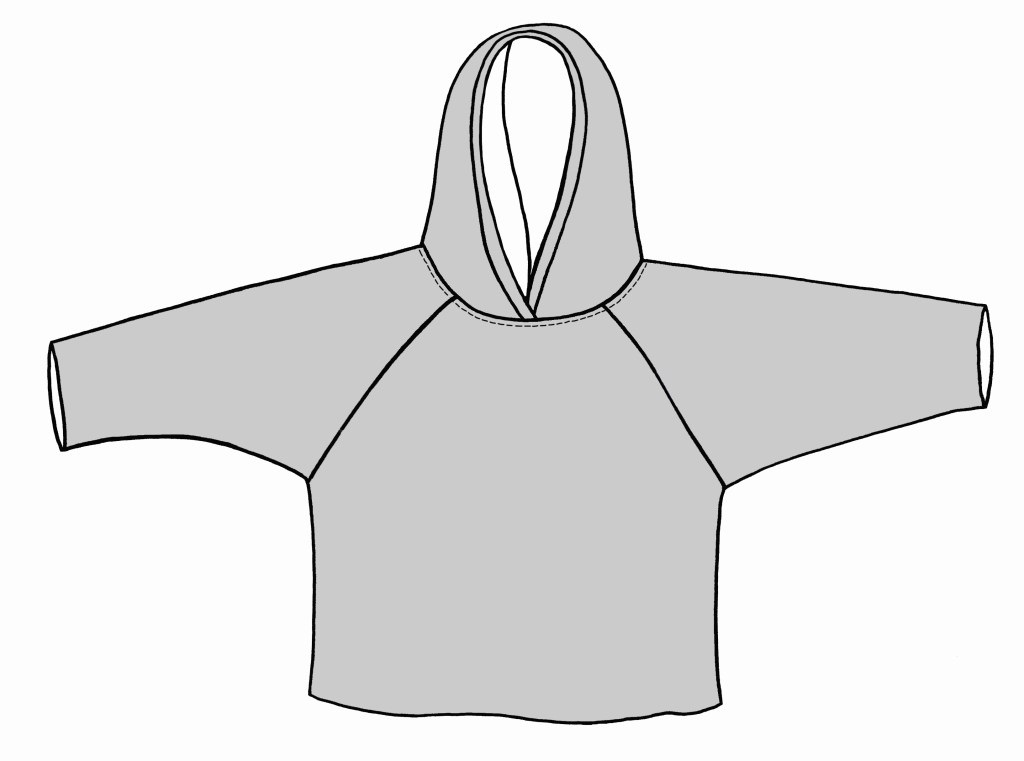
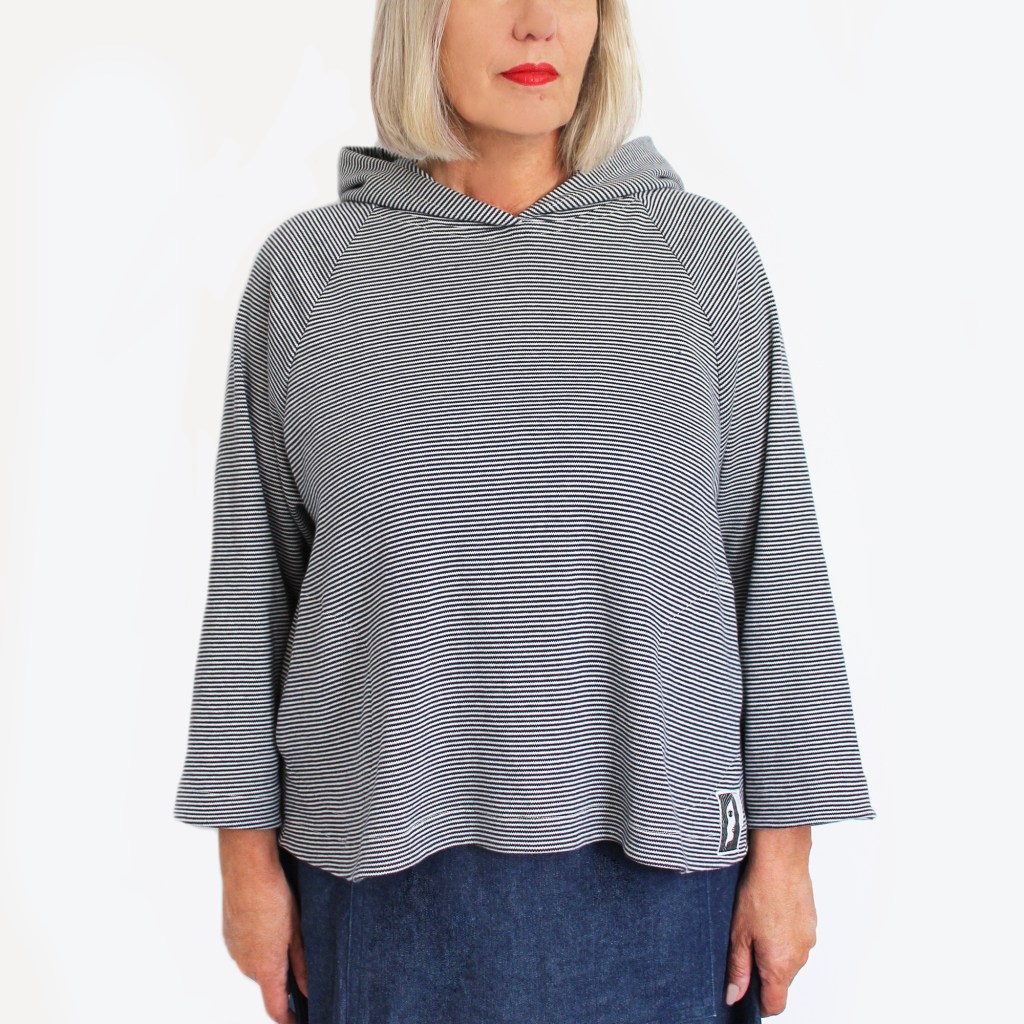
So what can I say about Maisie? Its comfy, cosy, oversized so lots of room for lumps and bumps (and I have my fair share of those!). Its got easy peasy raglan sleeves -yay! This pattern gives you options to make it in a choice of two lengths -a dress or top, with either side or patch pockets and a hood or high neckband, lots of choices on offer with this one. I popped a choice of pockets because I LOVE POCKETS! There- I said it.
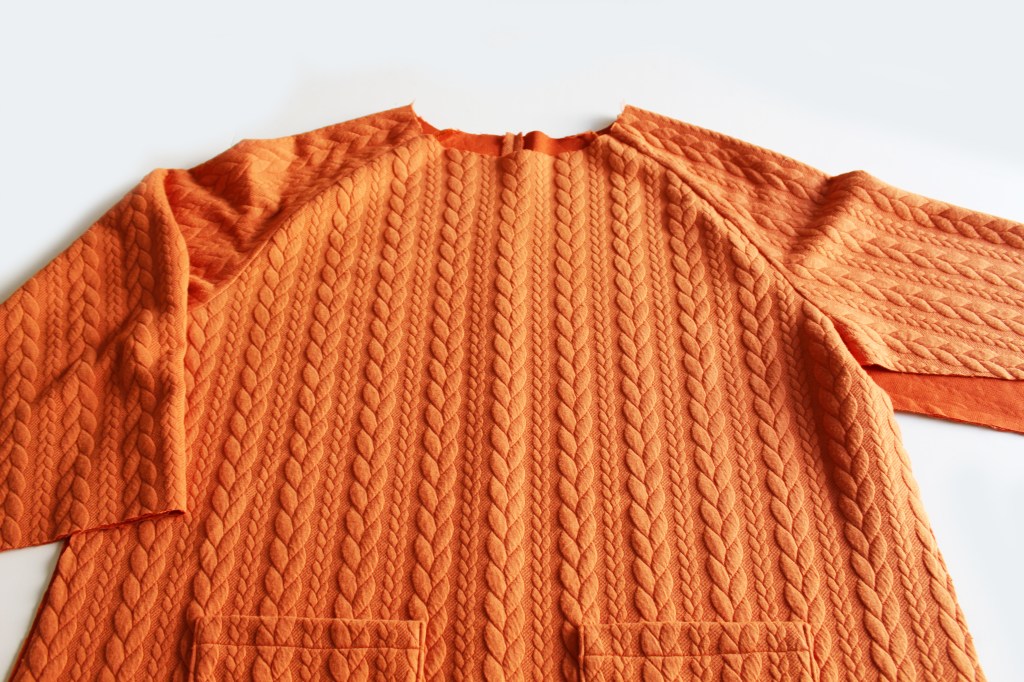
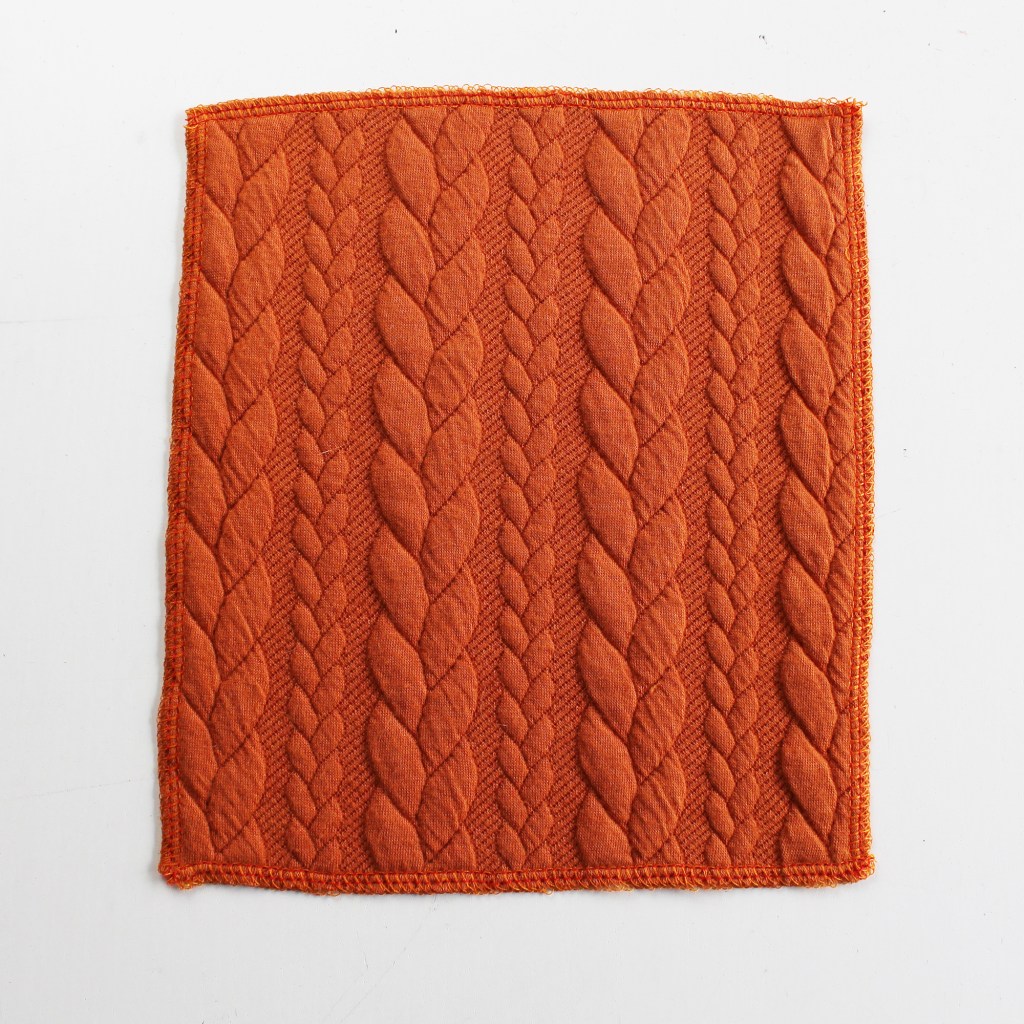
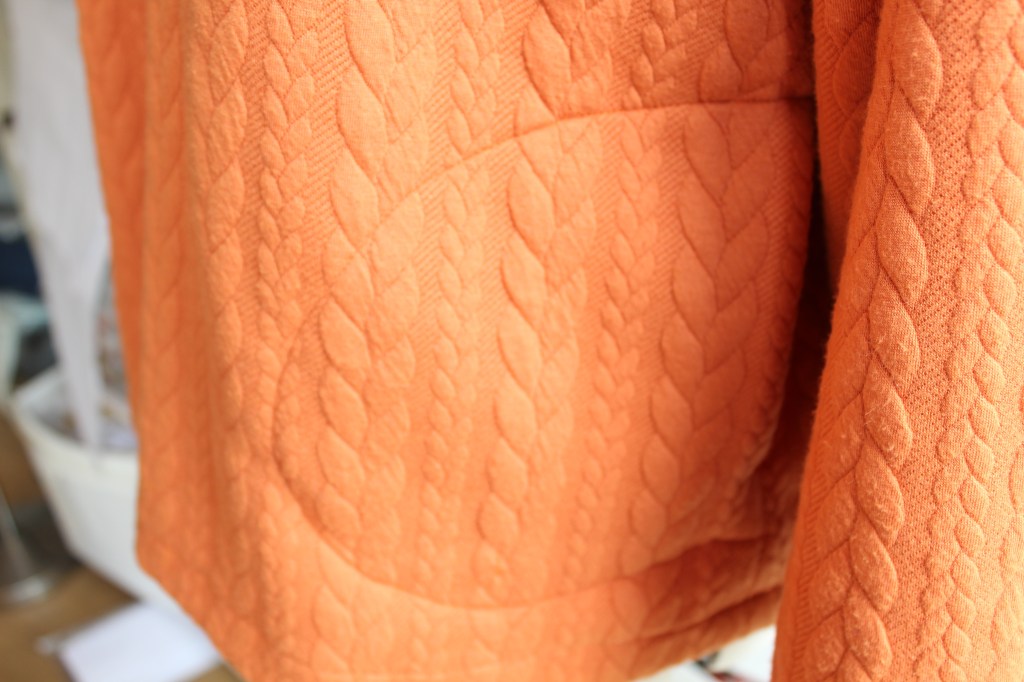
Fabrics suitable for this garment: Stretch! So think sweatshirt fabric, terry or loop back jersey is perfect too. Medium weight stripy jersey is also fab, but make sure its not too lightweight, you need something with a bit of structure to it. Try sourcing one from The Cornish Haberdashery -they have some nice coloured jersey knit stripes. Any knit fabric is good too, for the orange jumper top I used a cable knit fabric by Minerva.com and its great!
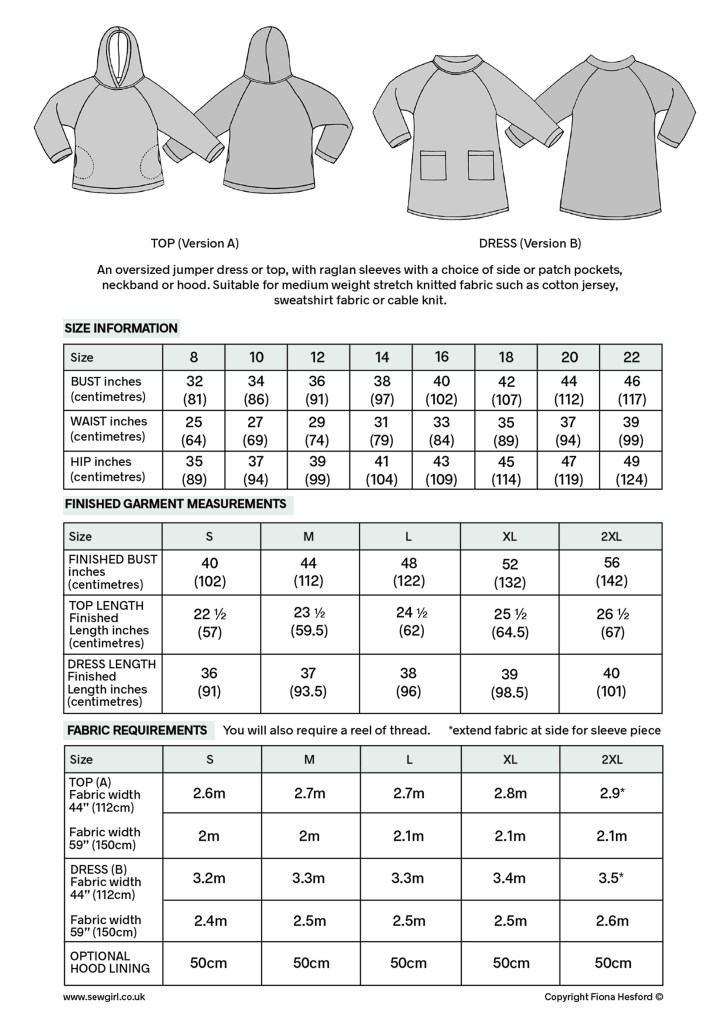
So here is a chart with all the info you need about sizing, finished garment measurements and fabric requirements.
This is how to make Maisie Top or Dress.
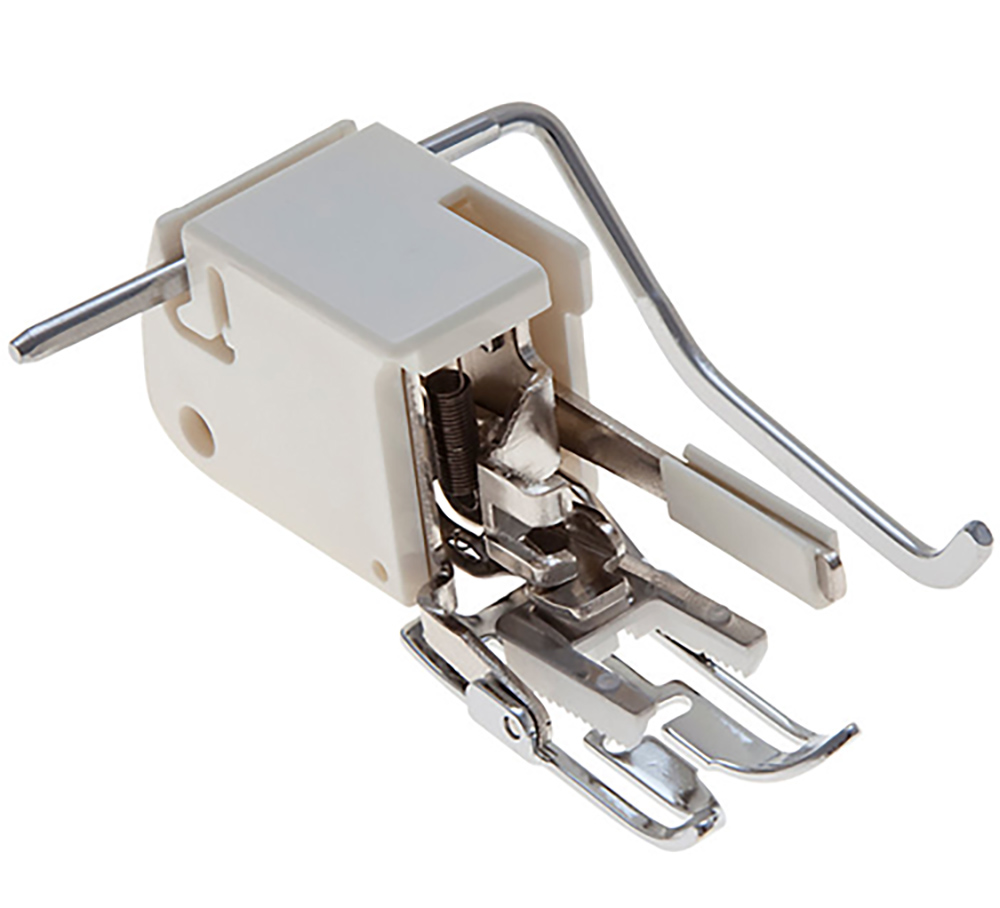
Tips: I find it really helpful when sewing bulky fabrics to use a Walking Foot. This is not a ramble whilst you sew – ha ha! Its an attachment for your machine which has a rolling mechanism under the foot to help move the fabric along and it looks like this one, but don’t worry, if you haven’t got one.
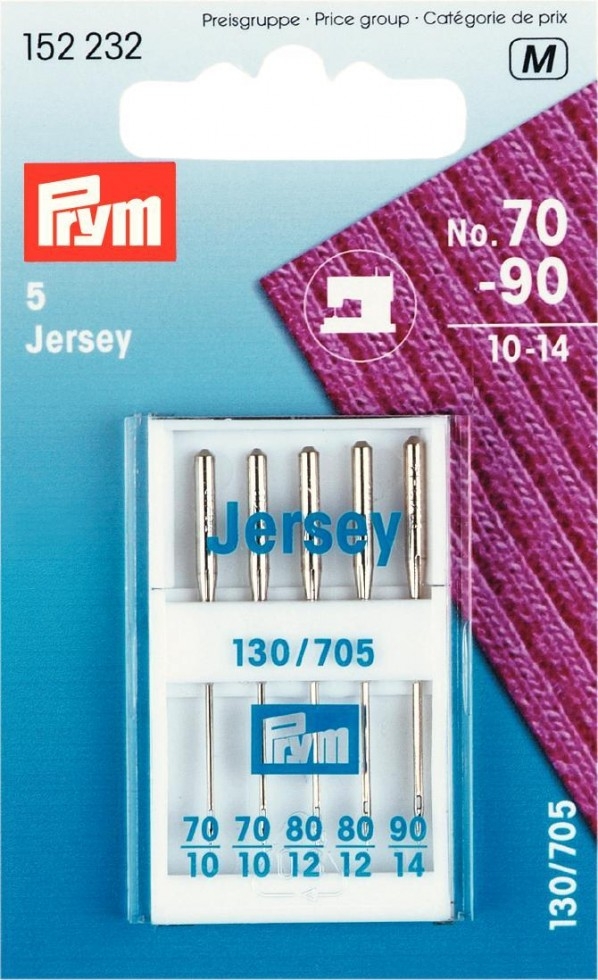
Also its a good idea to pop a jersey or ballpoint needle on your machine. It prevents snagging the elastane fibres in the fabric. You can get these from Minerva.com or your local sewing store.
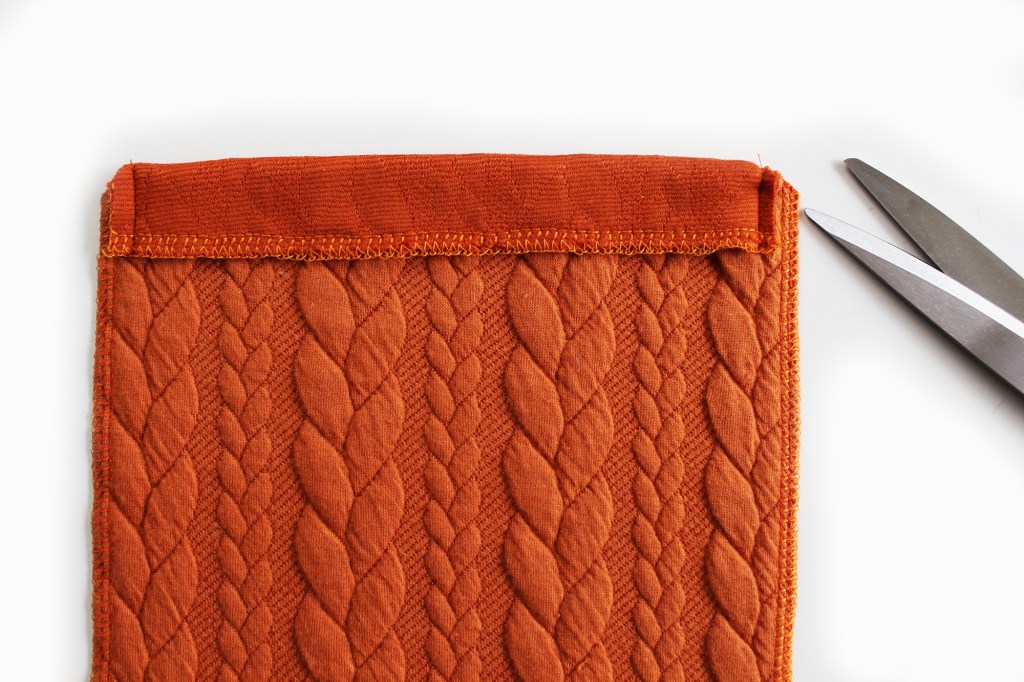
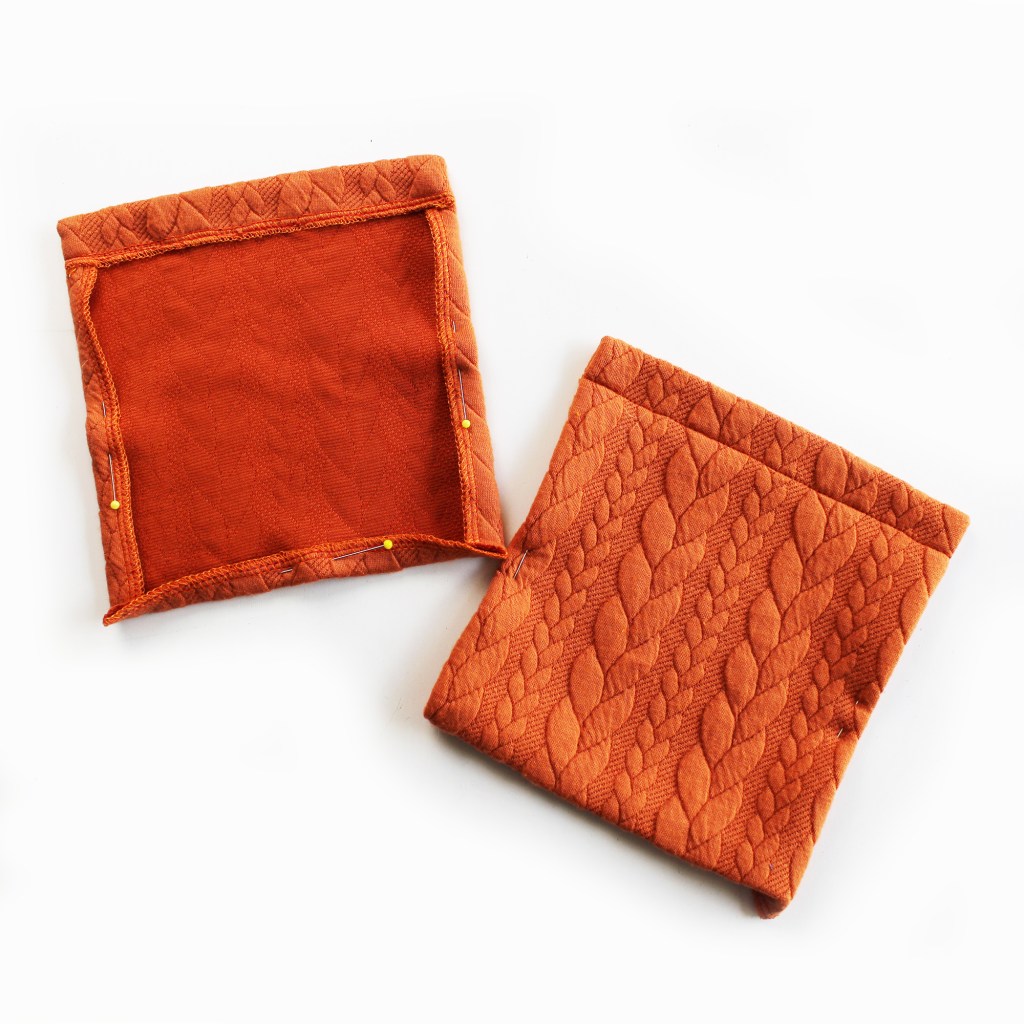
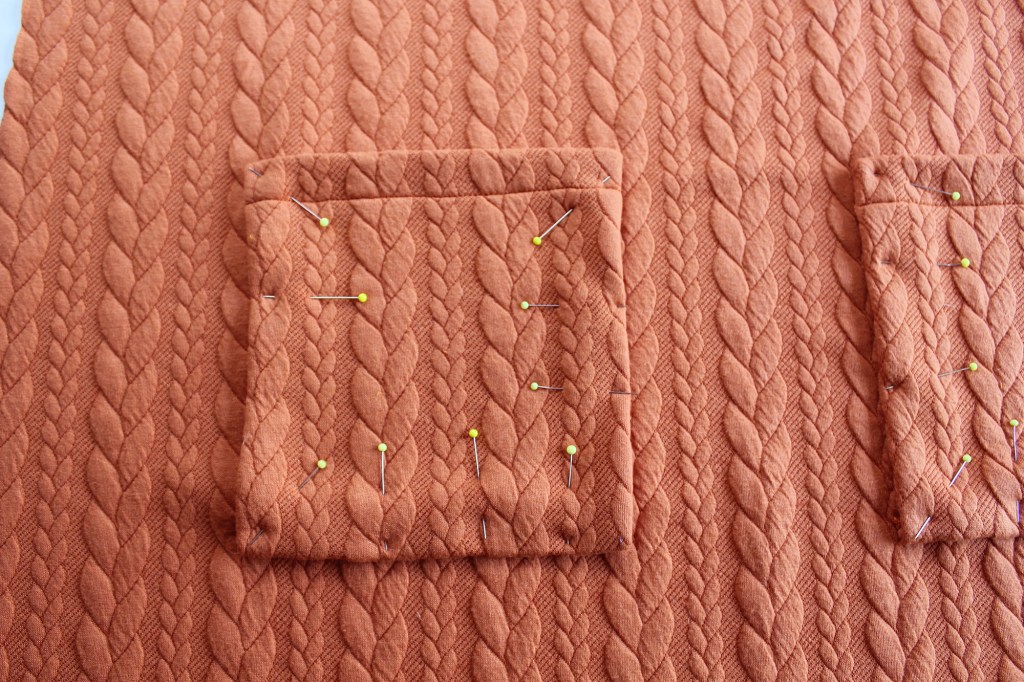
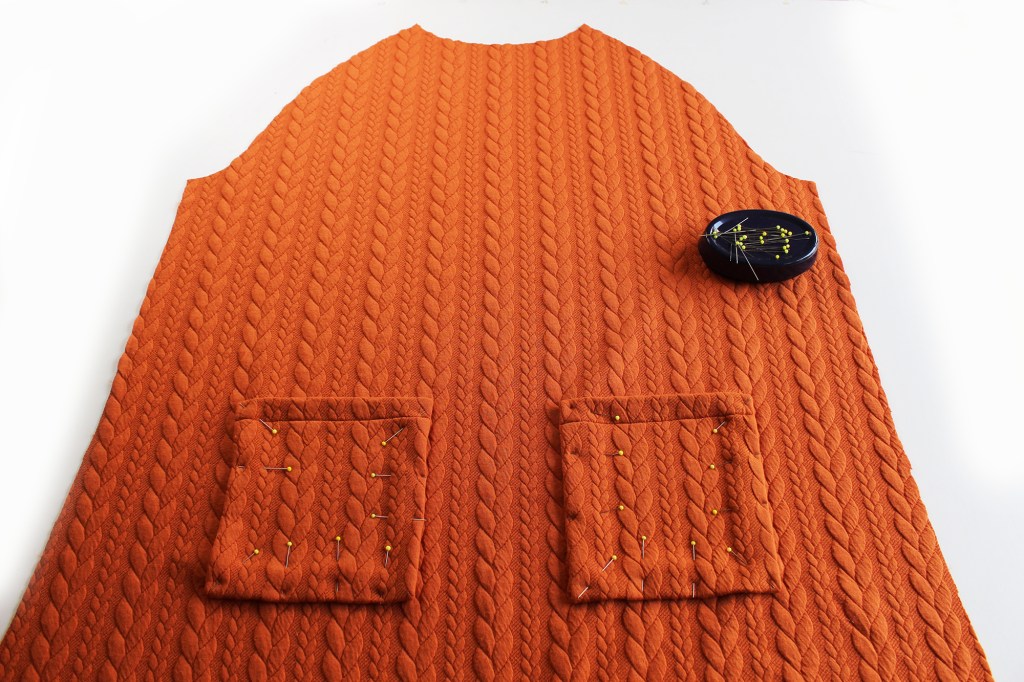
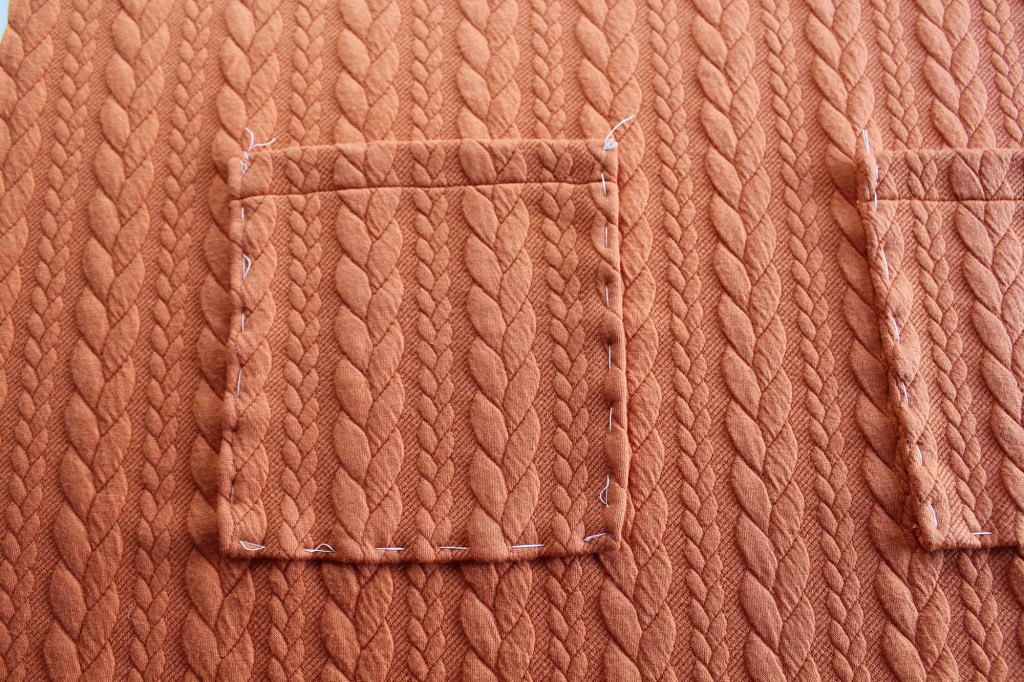
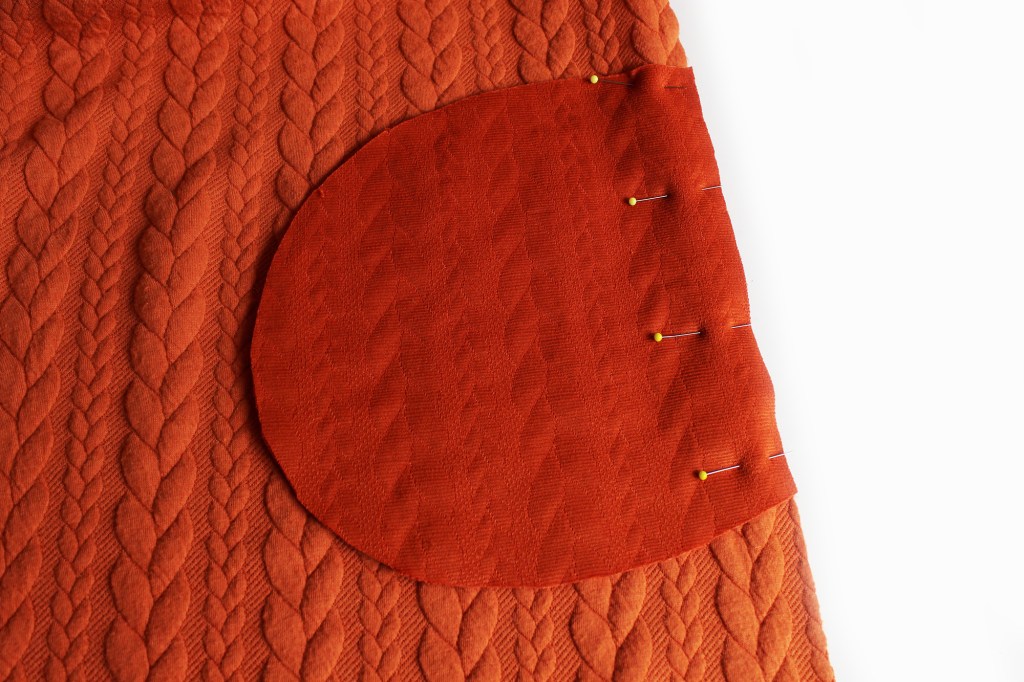
First prepare the PATCH POCKETS, if you are doing side pockets go to the next step.
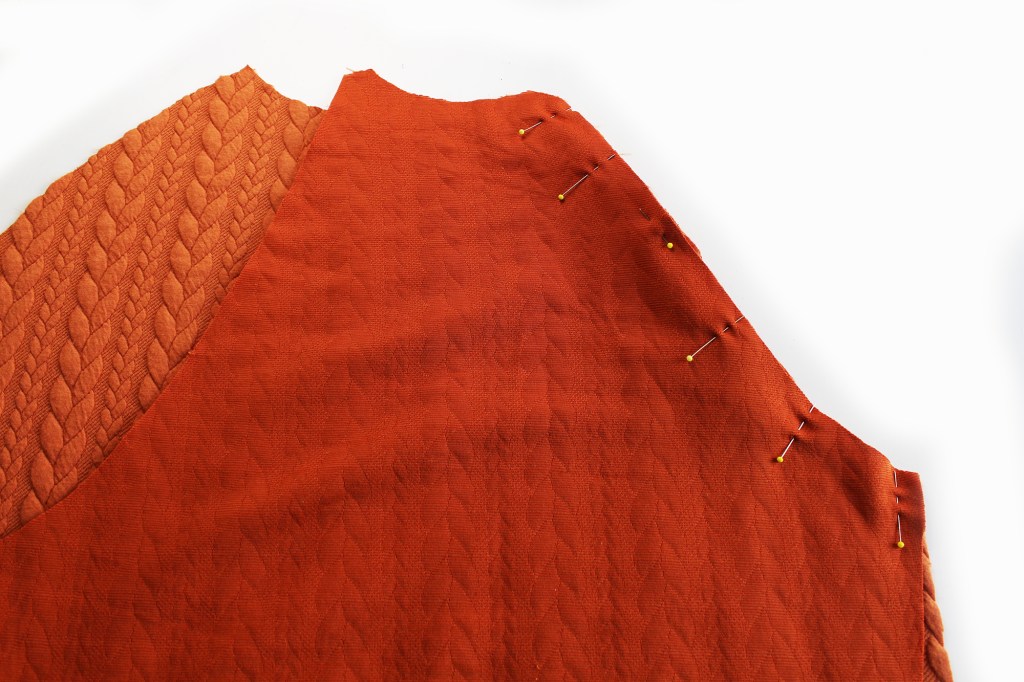
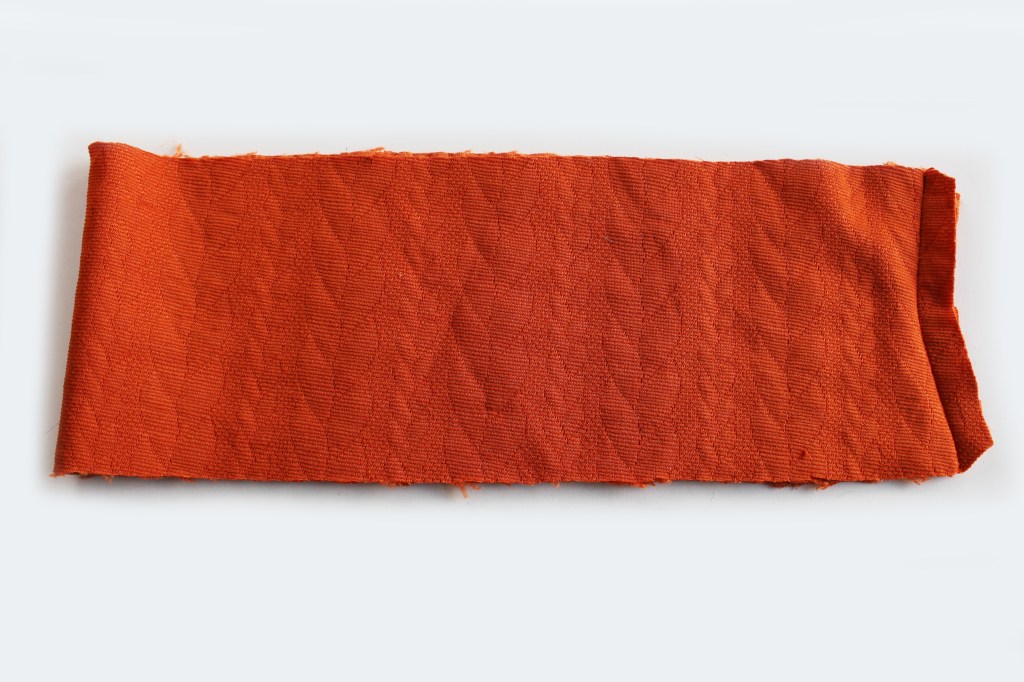
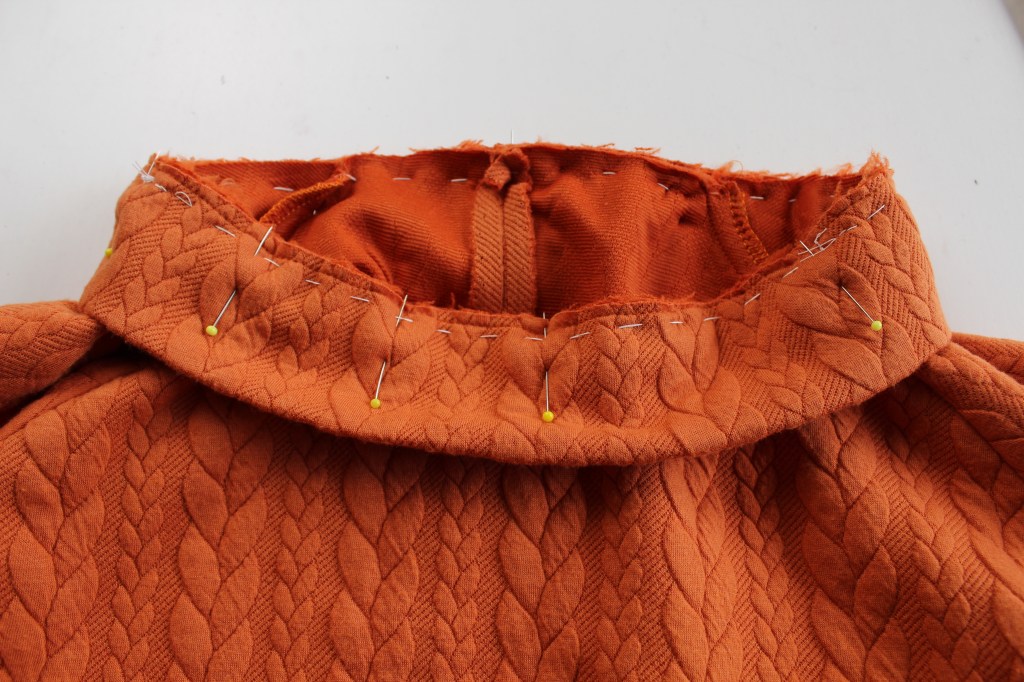
NECKBAND (for Hood version go to ‘HOOD’ section)
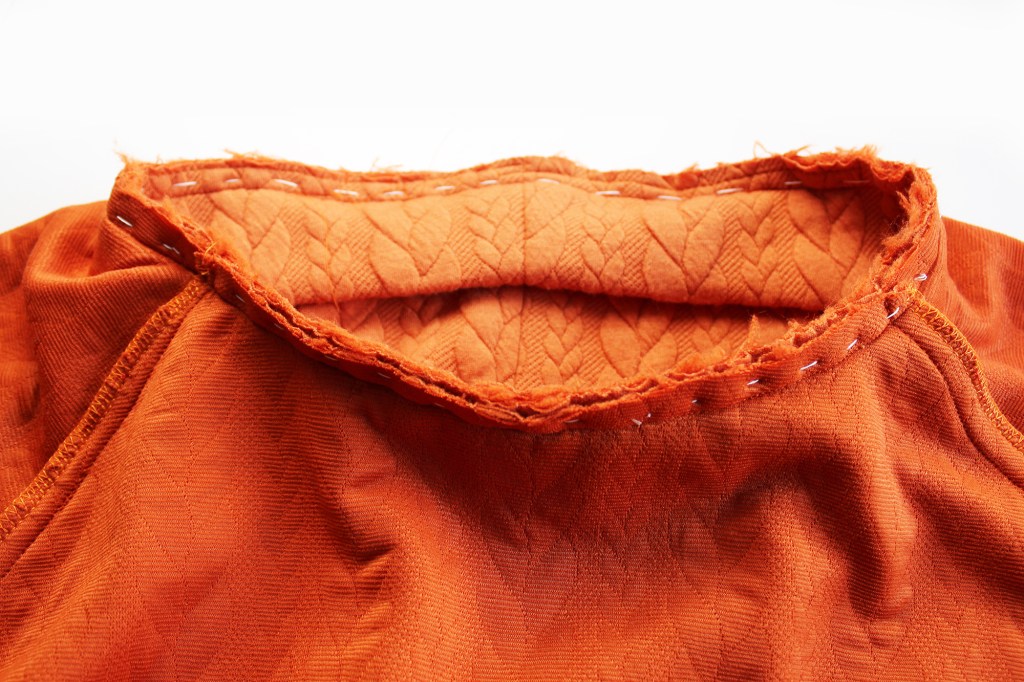
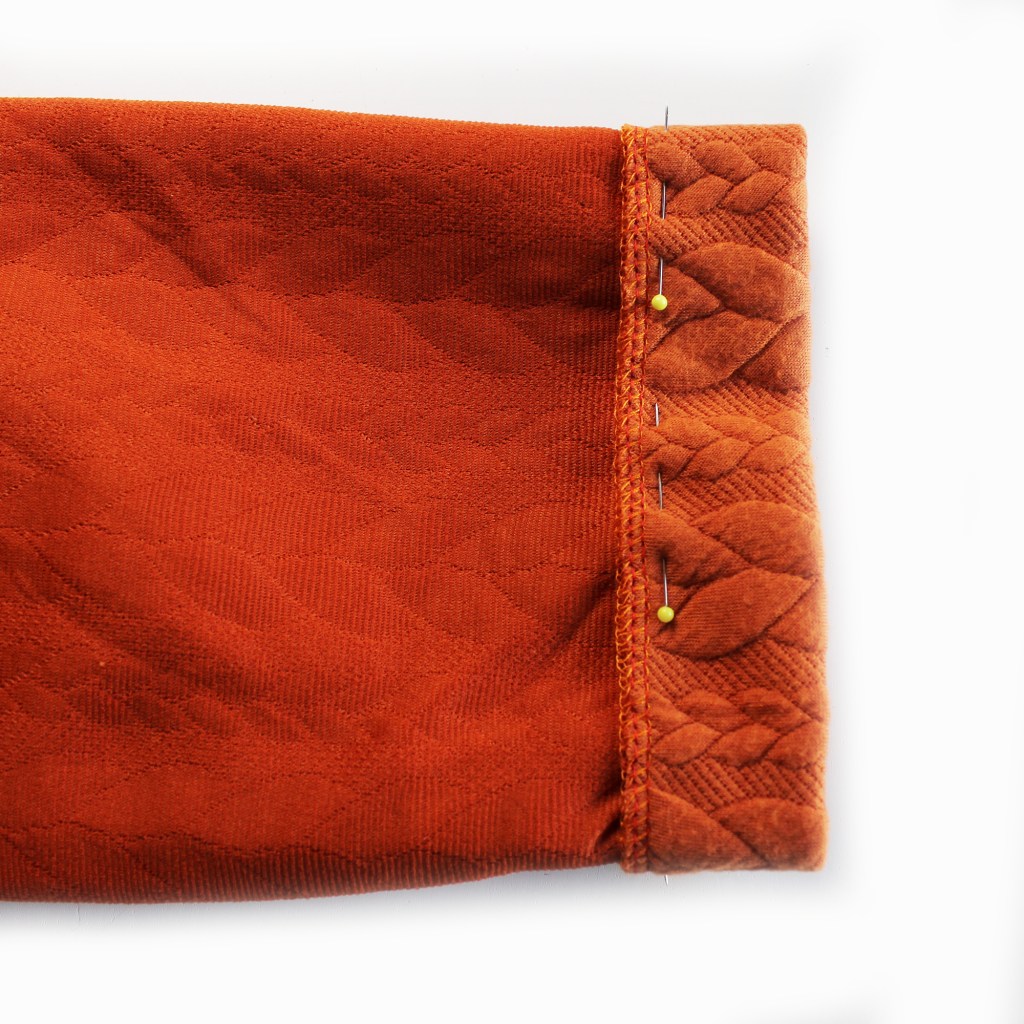
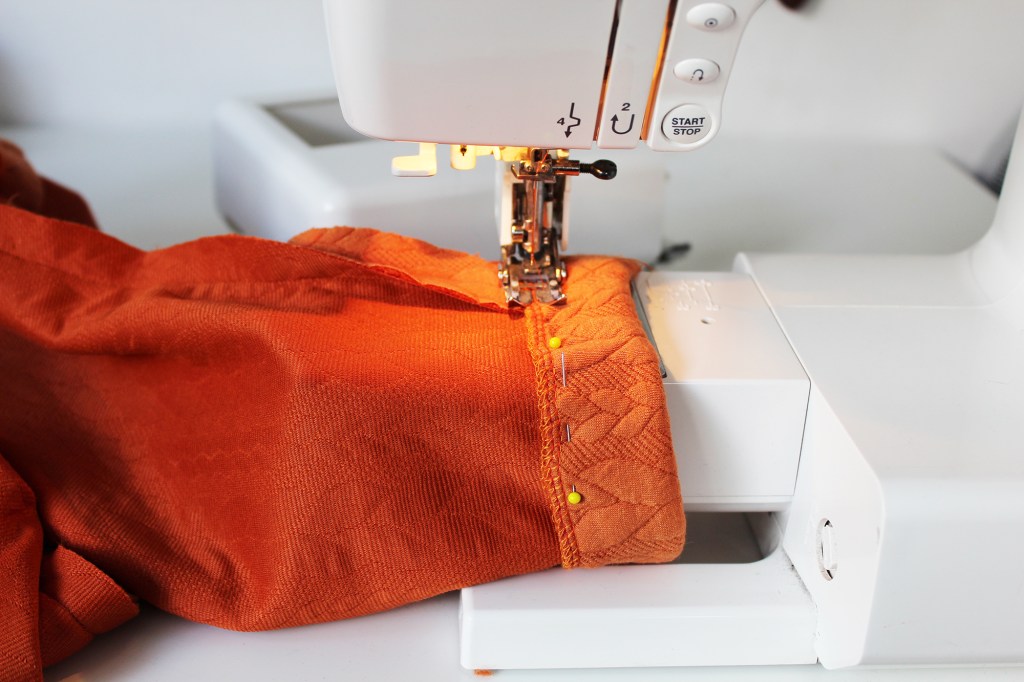
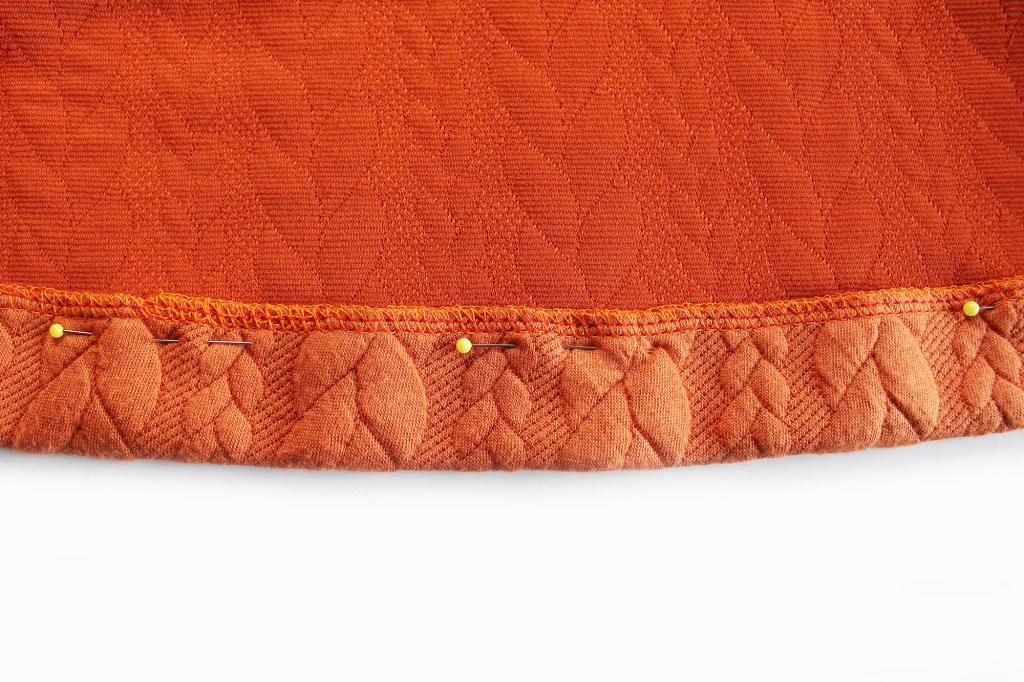
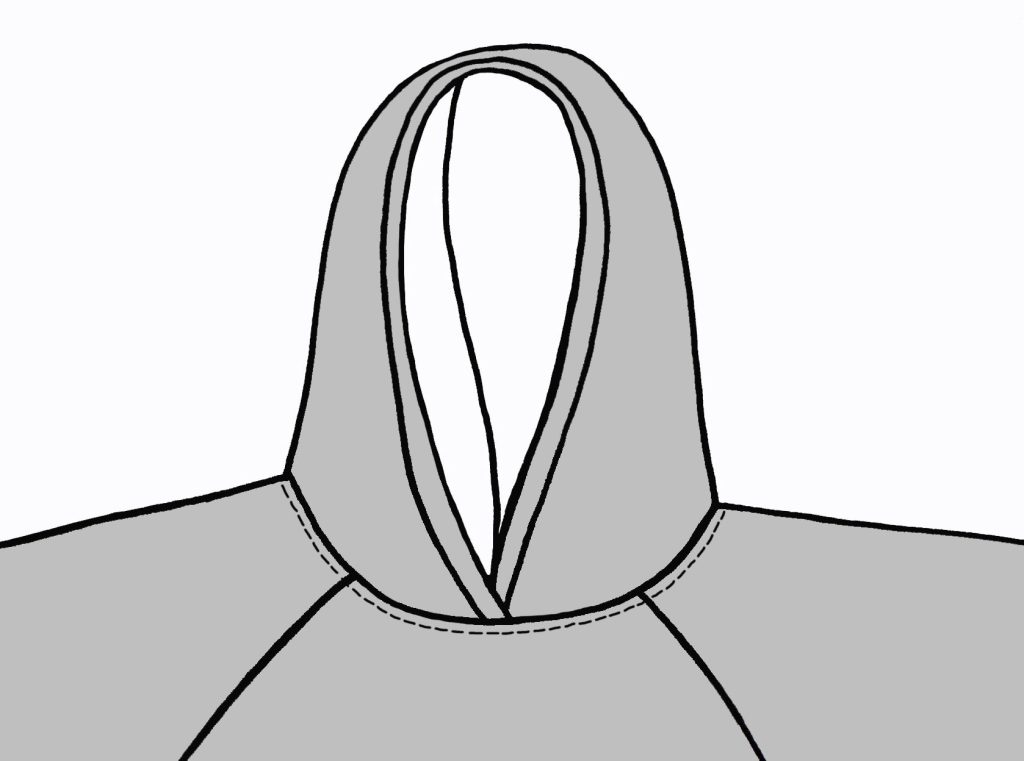
MAKING A HOOD
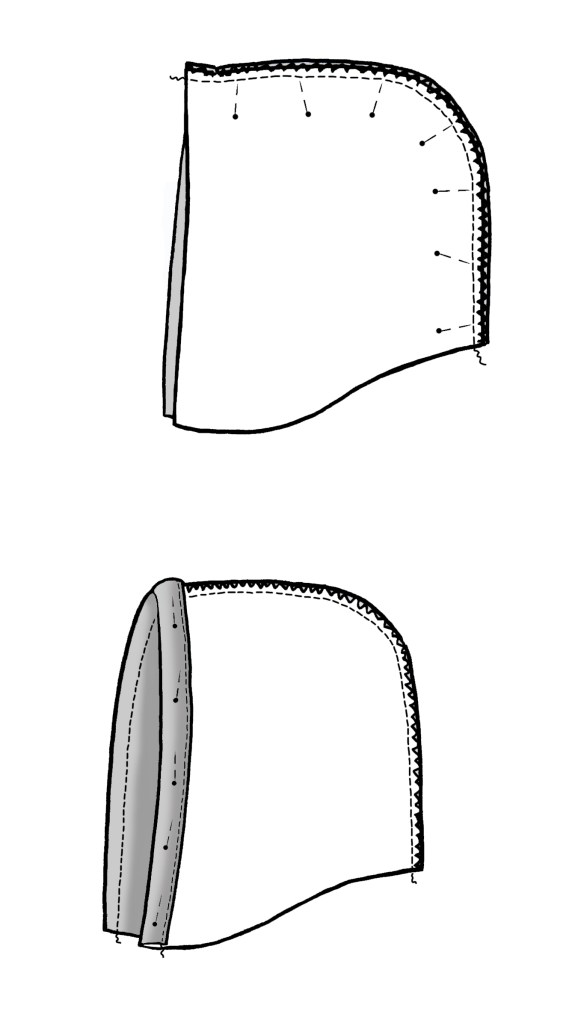
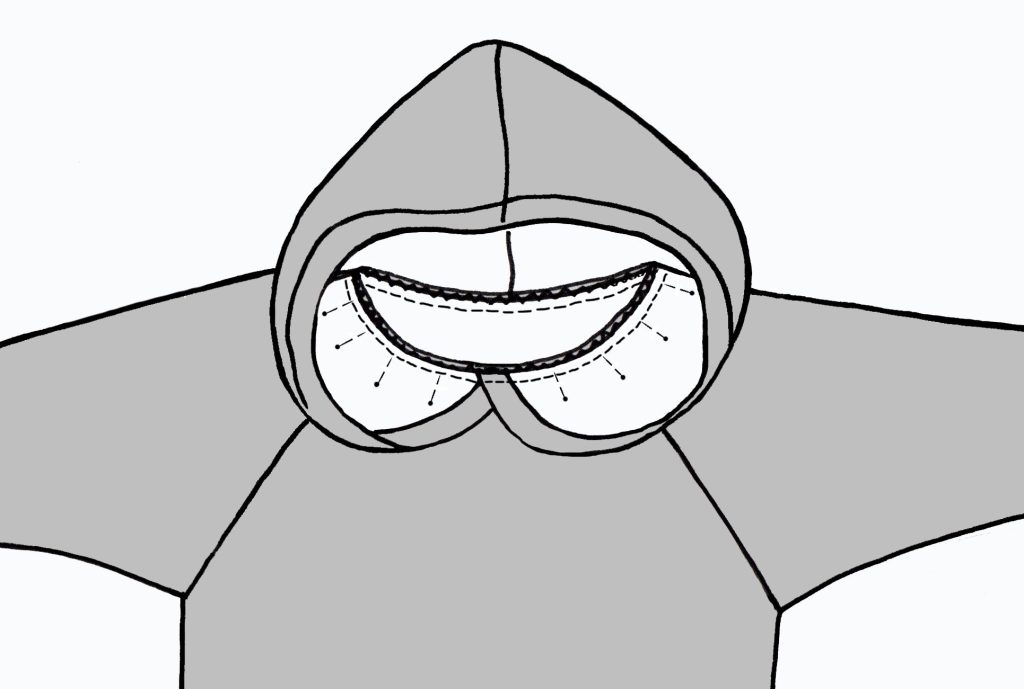

All content is copyrighted by Fiona Hesford please ask prior permission if you would like to use any of the text or images.
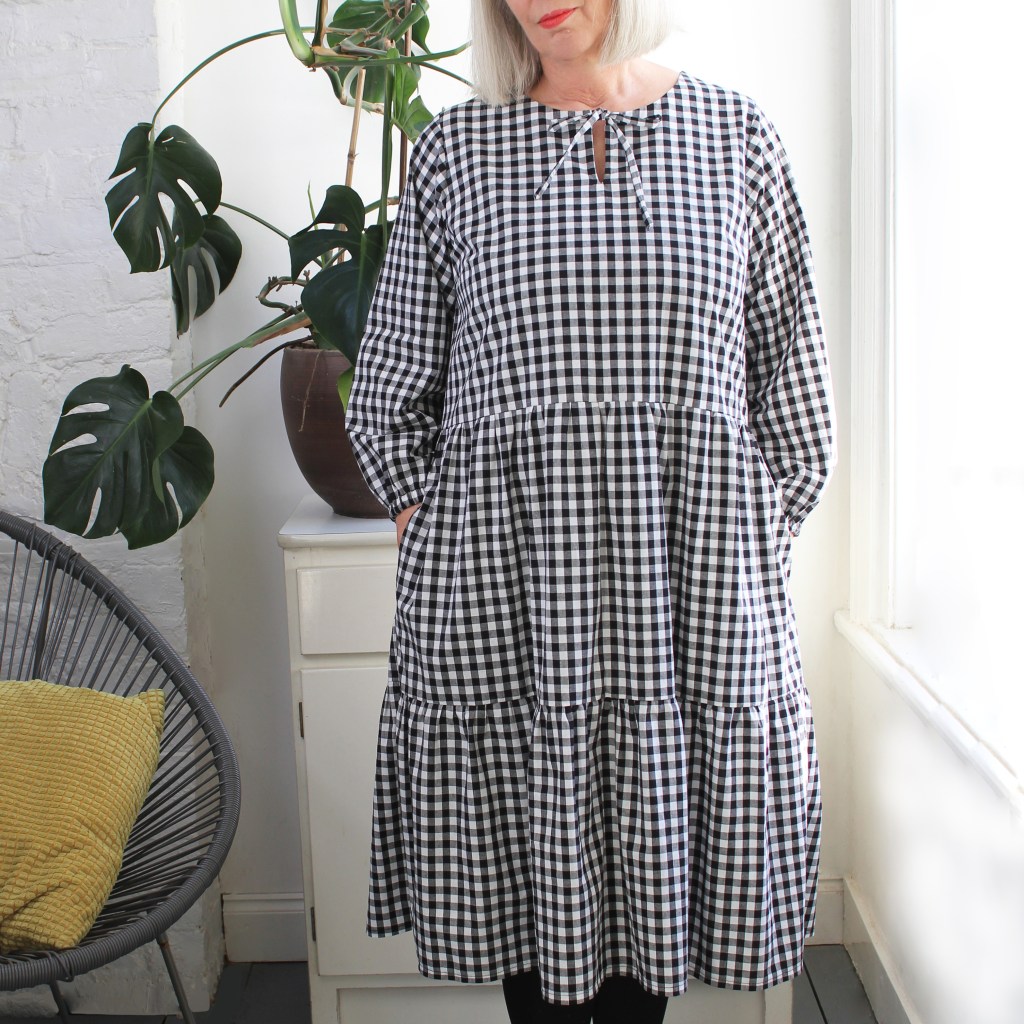
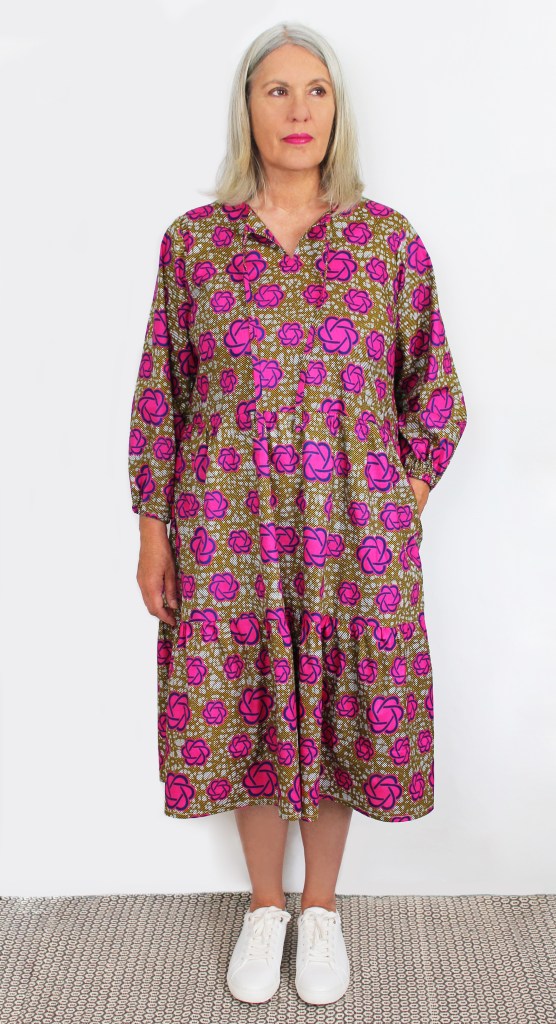

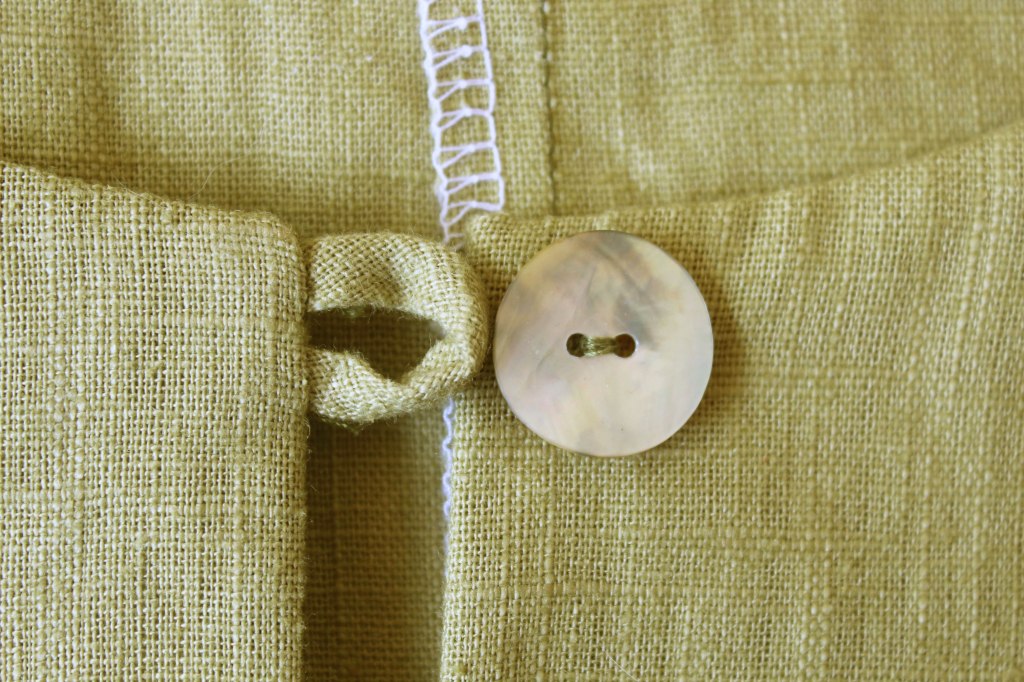
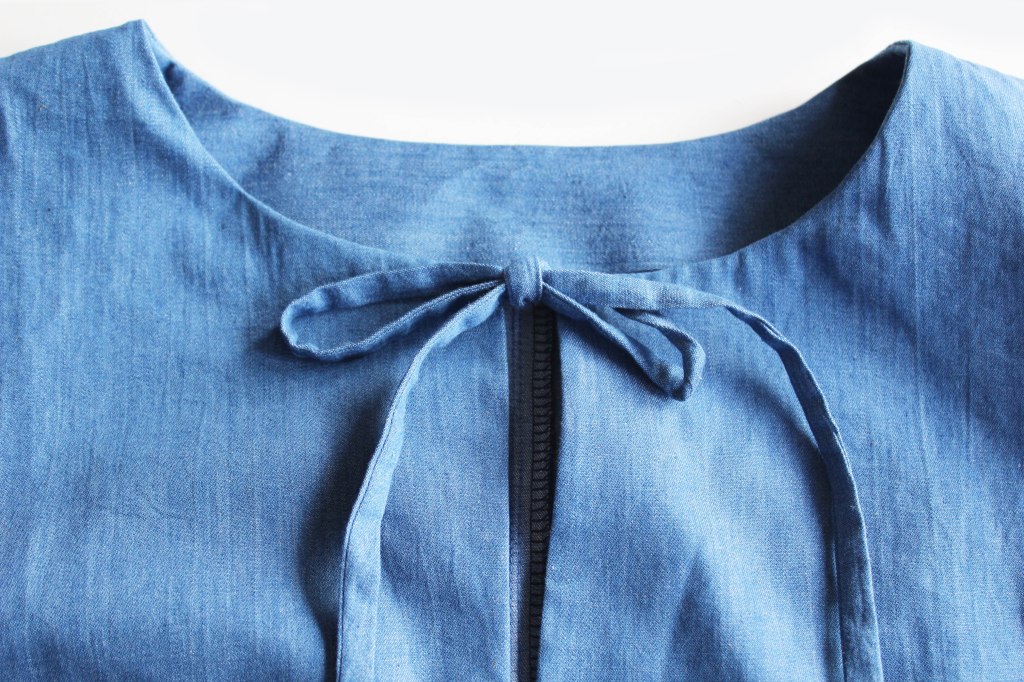
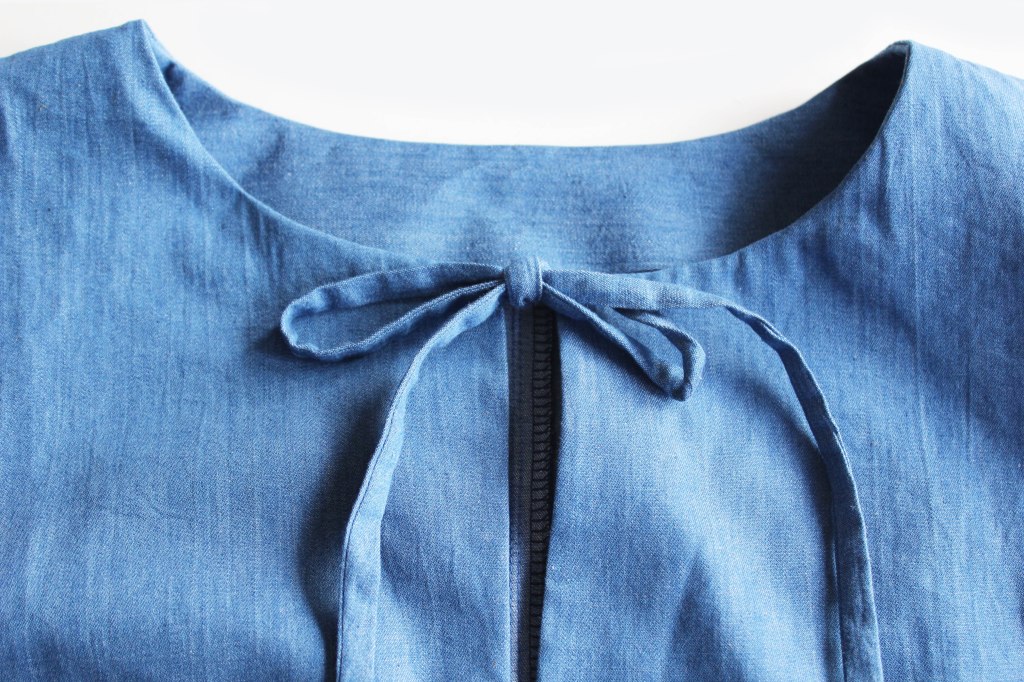
There are two neckline fastenings to choose from…..
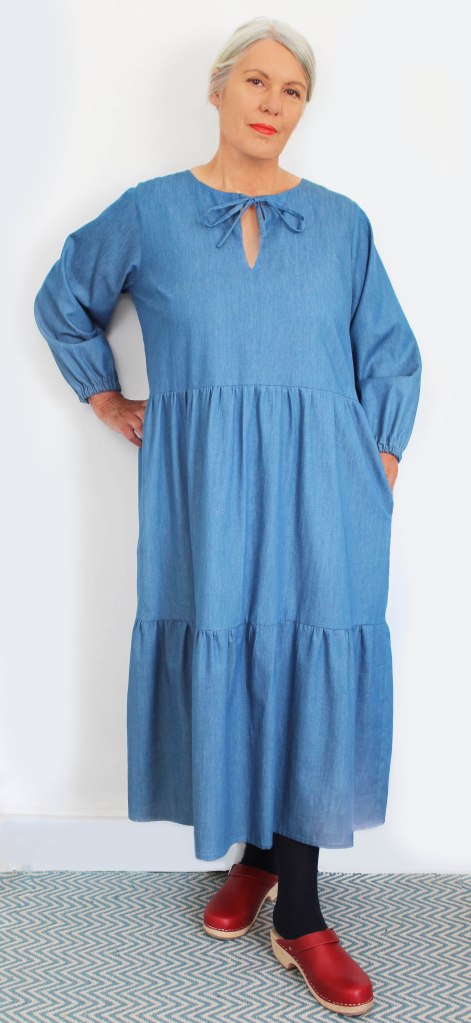
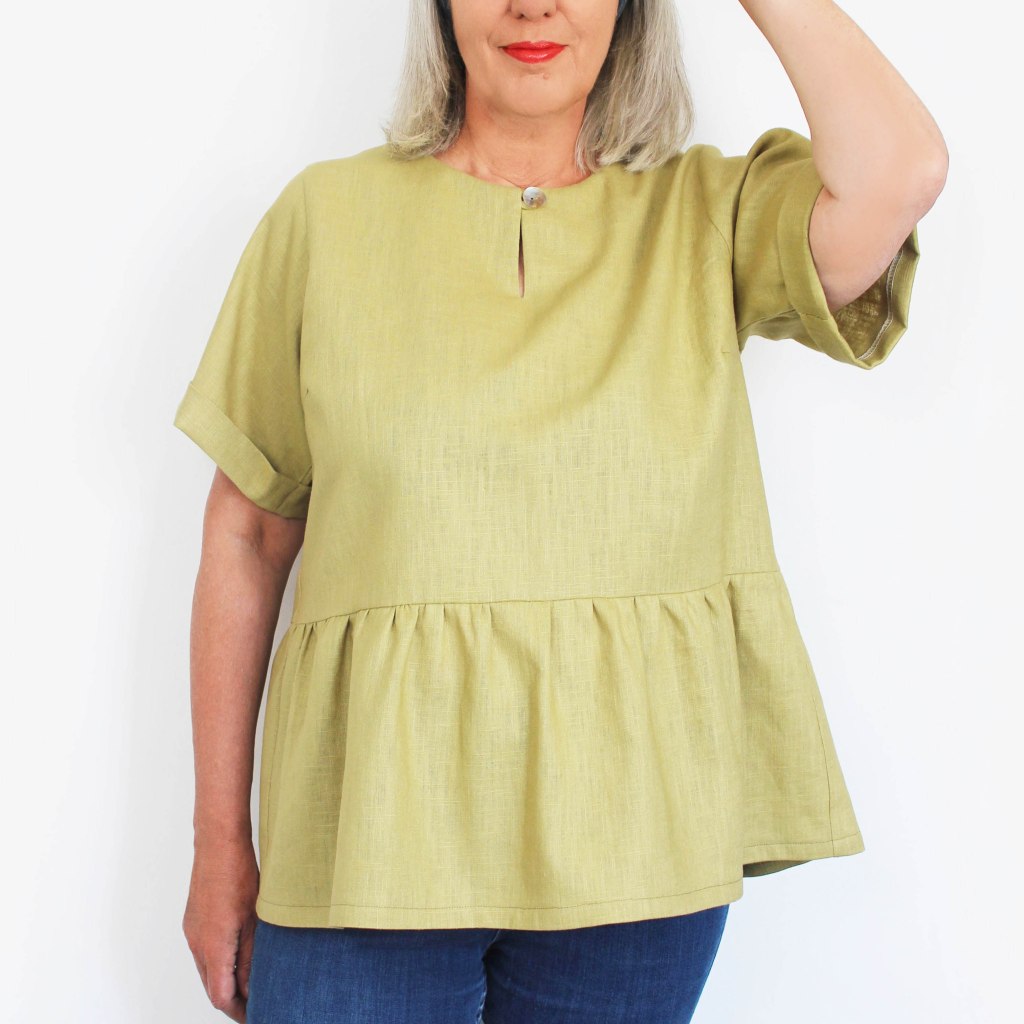
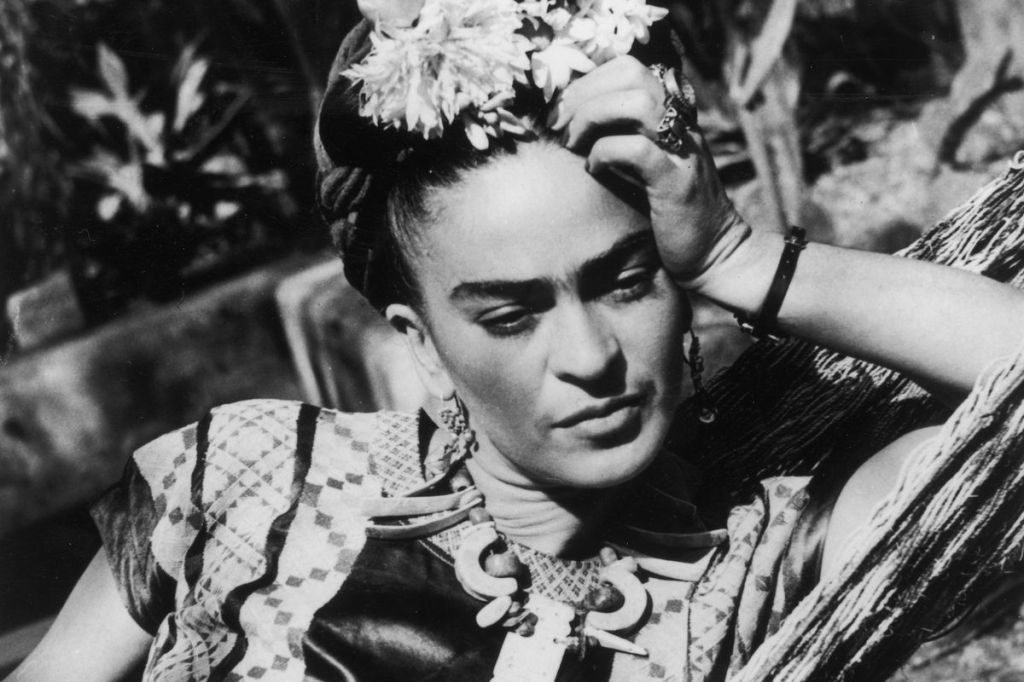
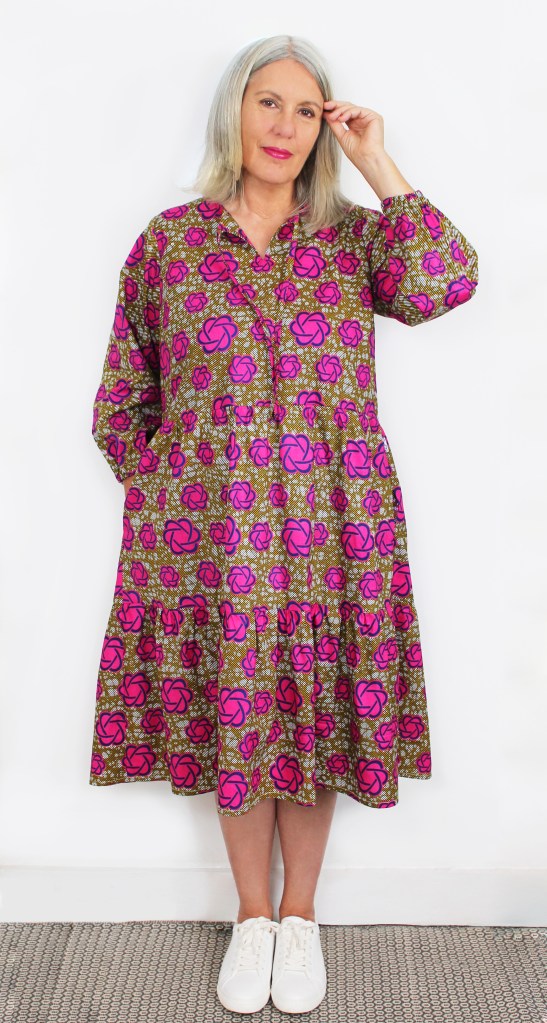
Frida dress named after the one and only Frida Khalo of course. A woman known for her fashion style as well as her work as a remarkable artist.
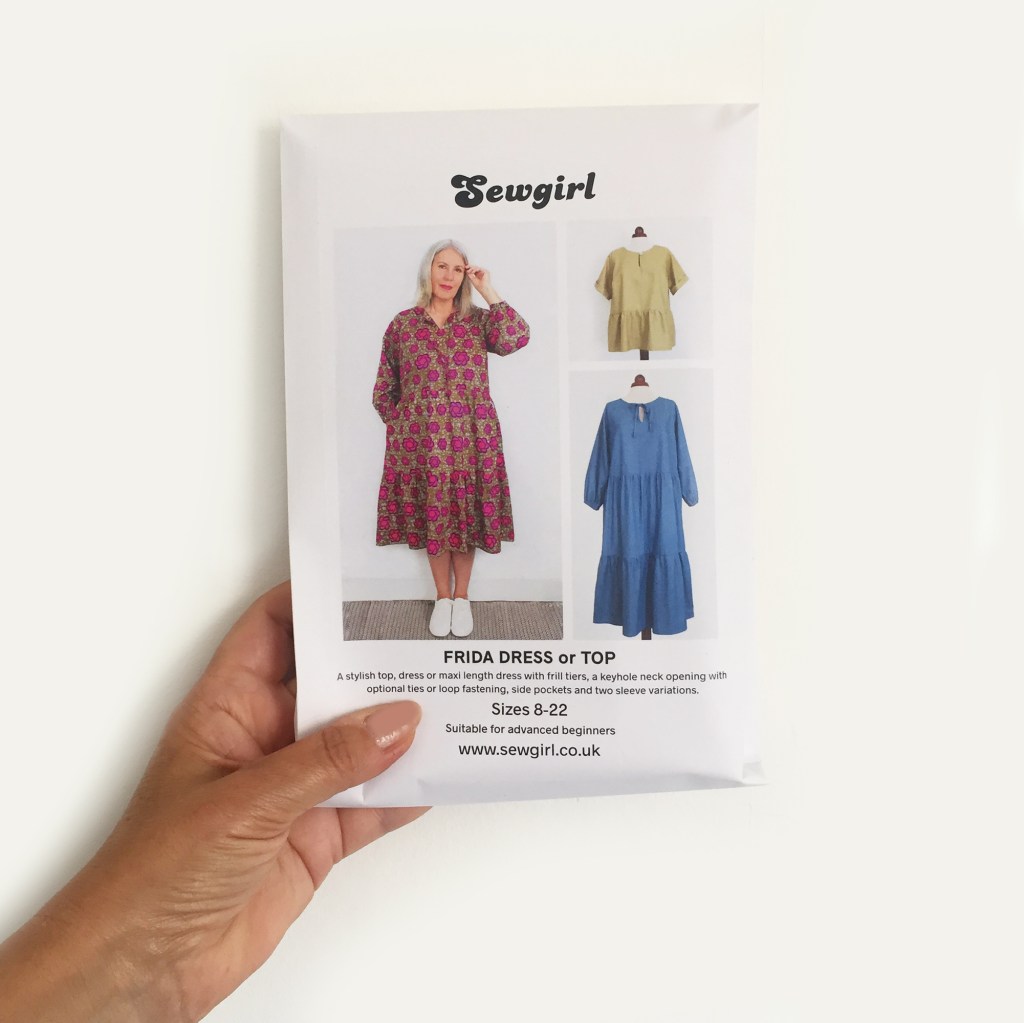
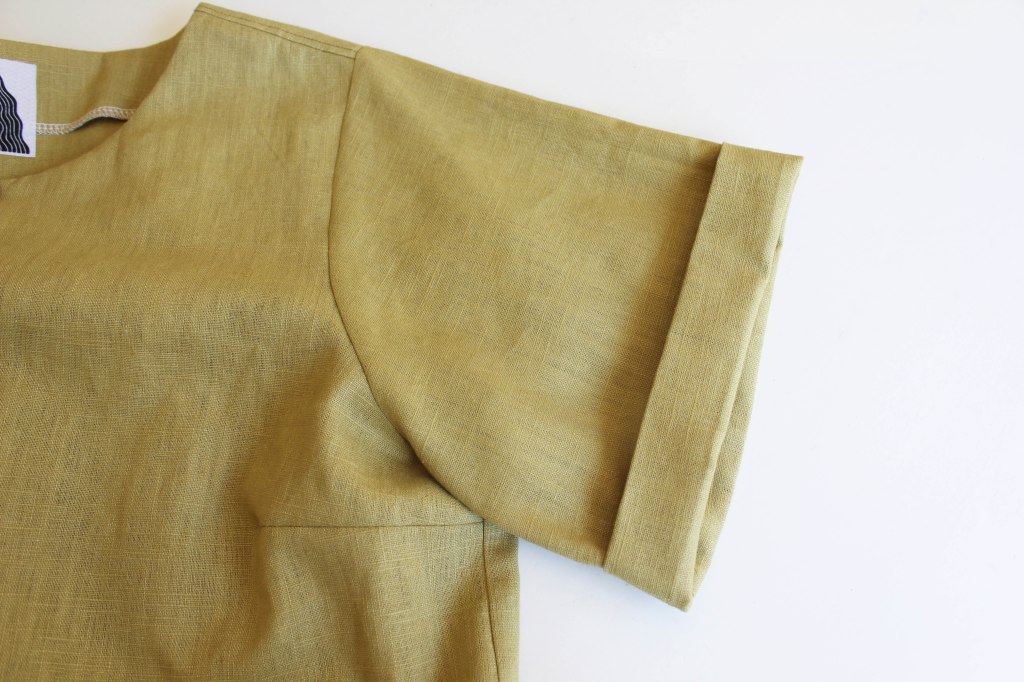
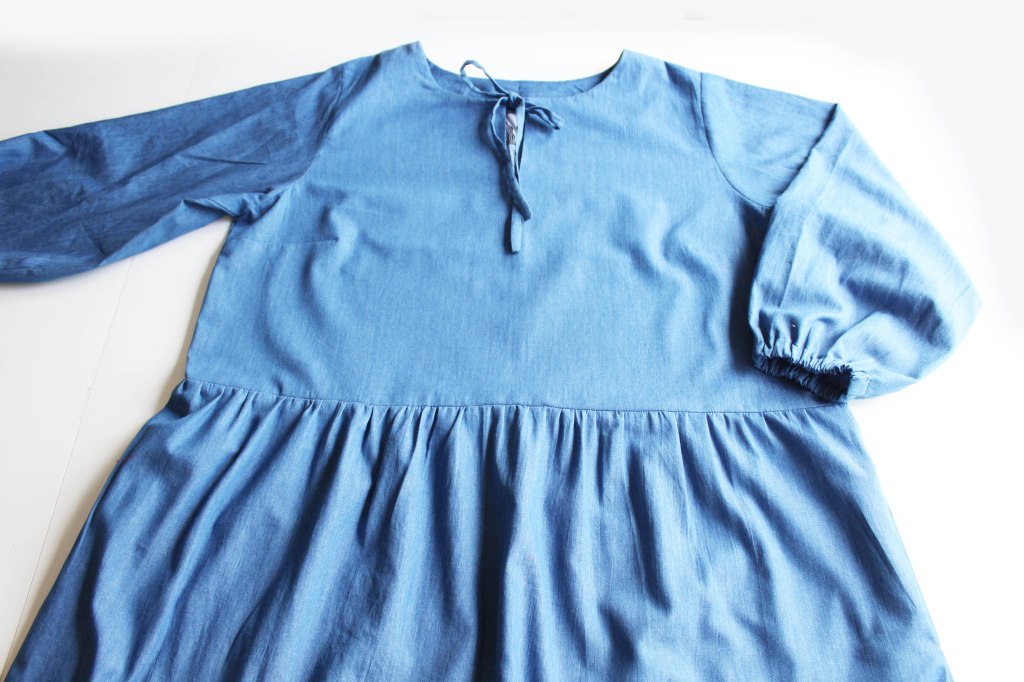
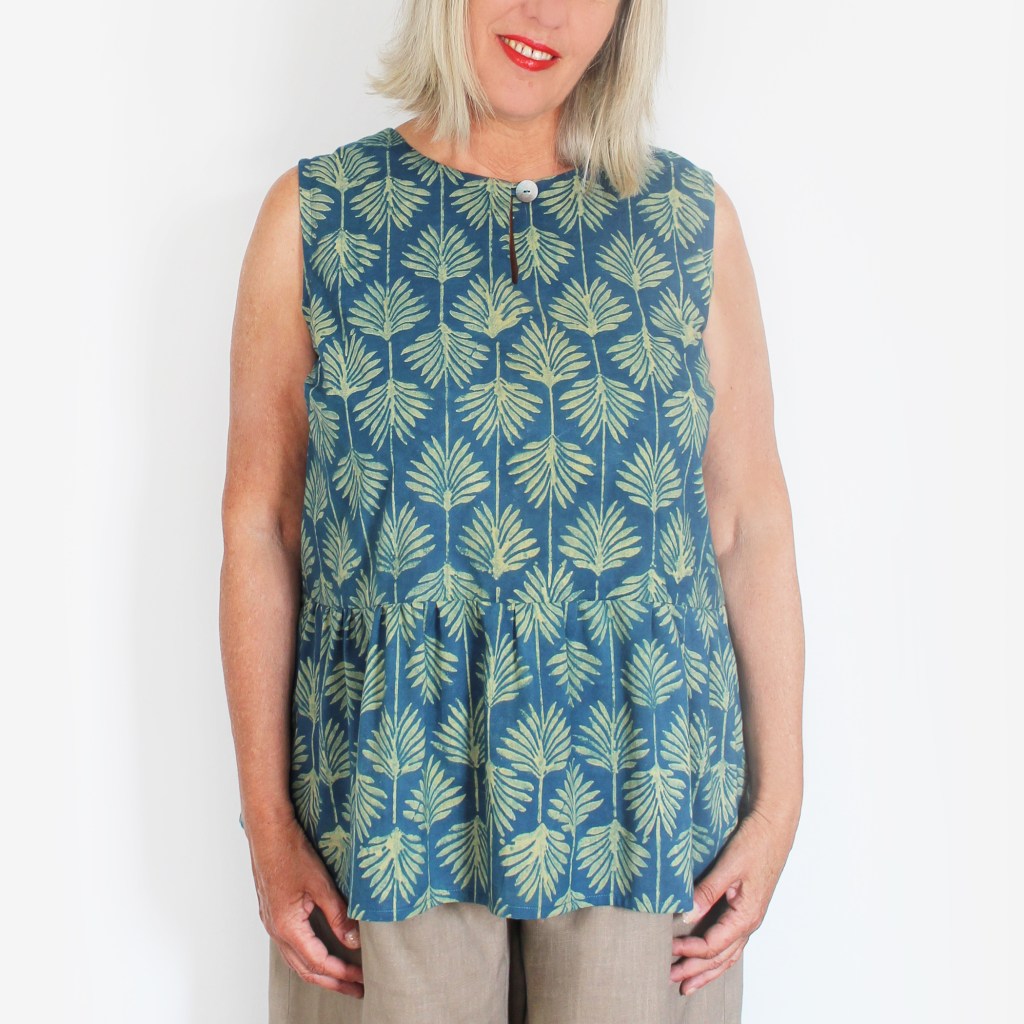
Frida can be made into a top, dress or maxi dress as shown in the pictures above. It has one (top version) or two frill tiers (dress version), with a keyhole neckline with either ties or a loop and button fastening at the neckline. There are two side pockets and sleeves which are three quarter length elasticated for the dress or short fold back cuffs for the top. Please see the chart below for the finished garment measurements.
This is an easy pattern for beginners with some previous sewing experience. Techniques involved are gathering up the frills, inserting ties, a facing, I think theres nothing too difficult involved – its a really fun project to sew. If you feel a bit daunted by the tie/loop insertion, take a peek at the video tutorial that I have linked to this blogpost.
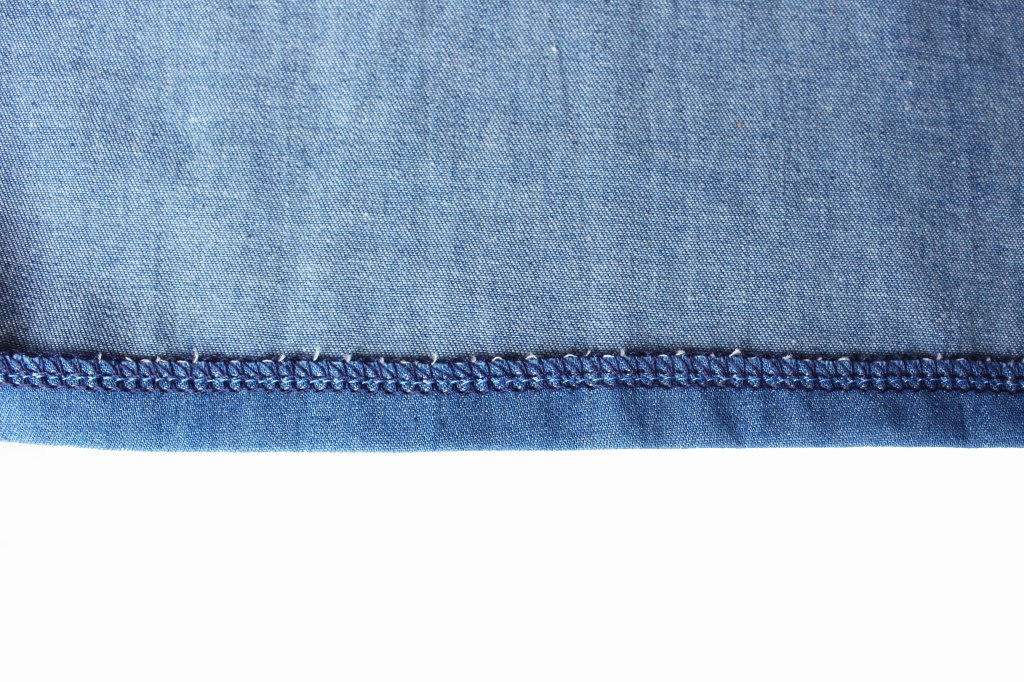
Fabrics suitable for making Frida are cotton (African fabrics are great), denim chambray (4oz denim available from my Etsy shop is perfect for this project see SHOP link in menu), ramie, viscose and lightweight linen.
Please see the chart below for fabric requirements.
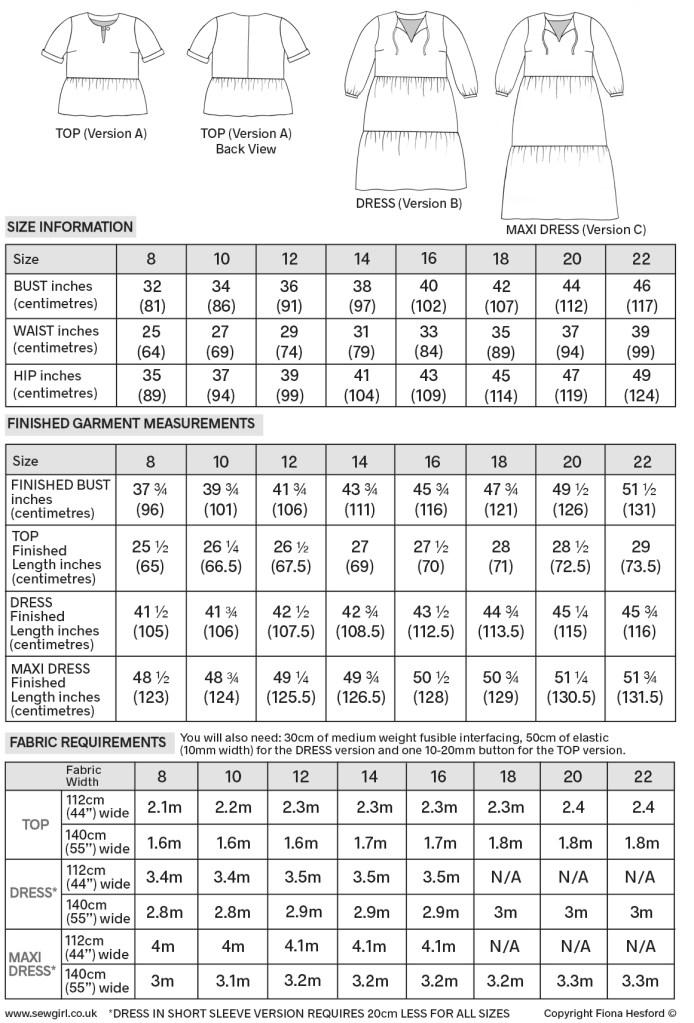
LARGER SIZES WITH NARROW WIDTH FABRIC
The pattern instruction booklet will show you the pieces to cut out according to your fabric width, using the layplans as a guide.
SEAM ALLOWANCE IS 1cm
Here are some of the stages of making up Frida to show you how its done.
HOW TO MAKE FRIDA
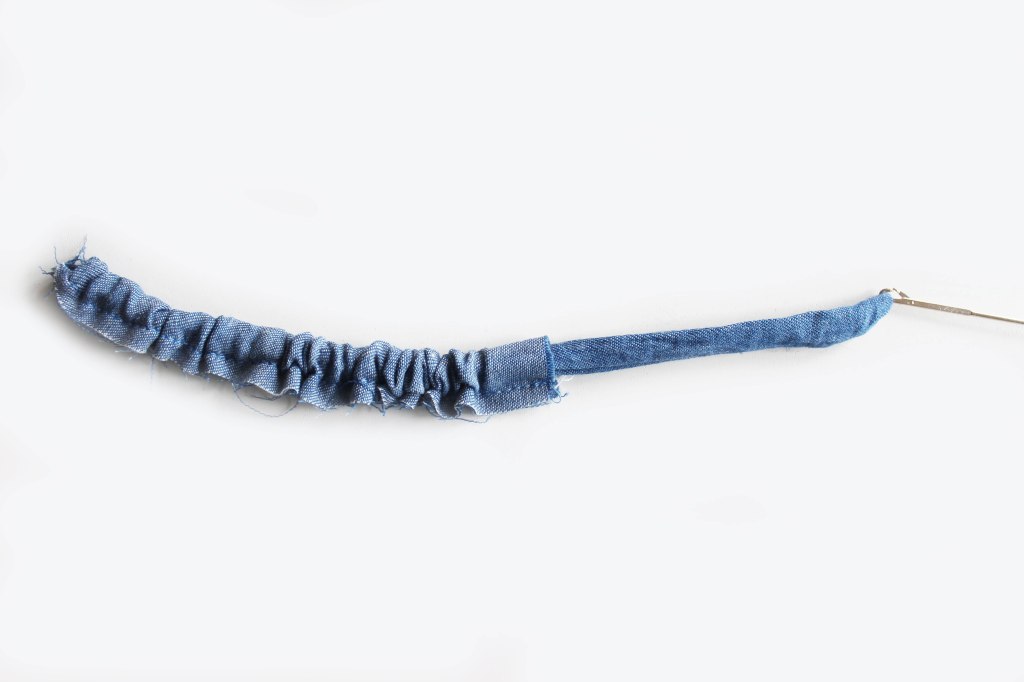
FIRST PREPARE THE TIES OR LOOP
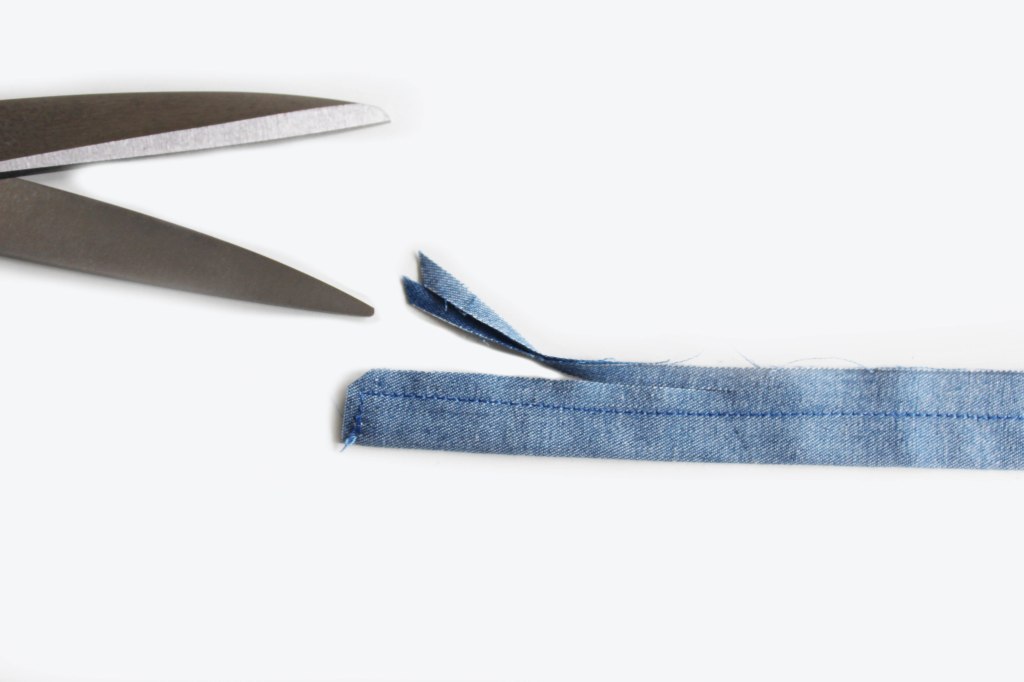
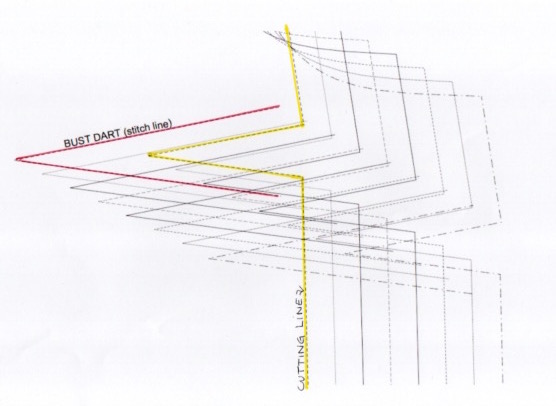
MAKING THE DARTS
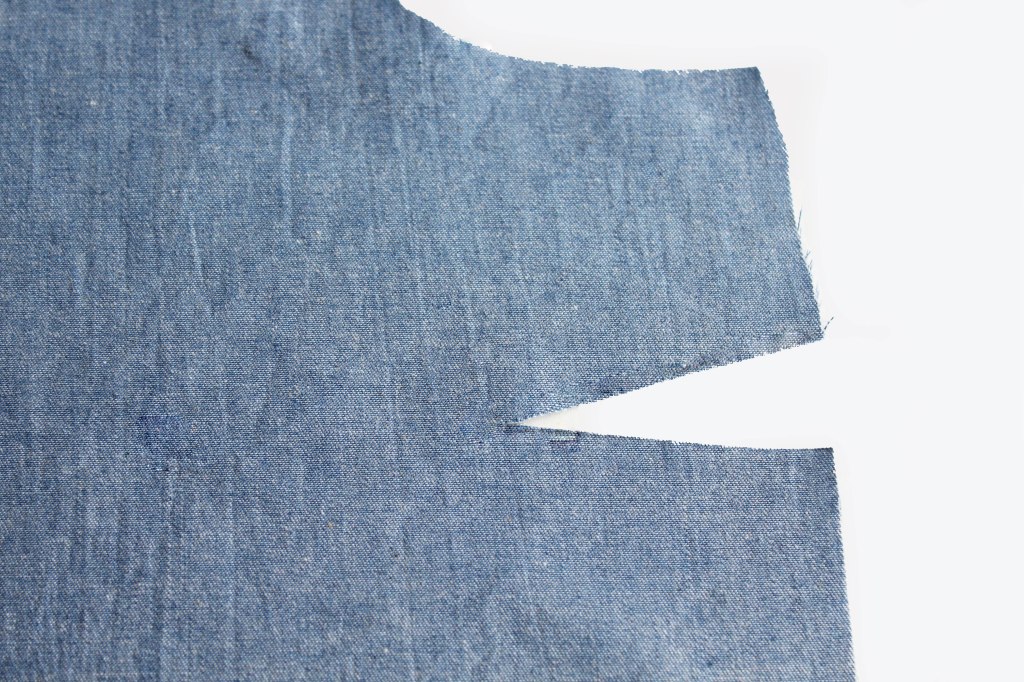
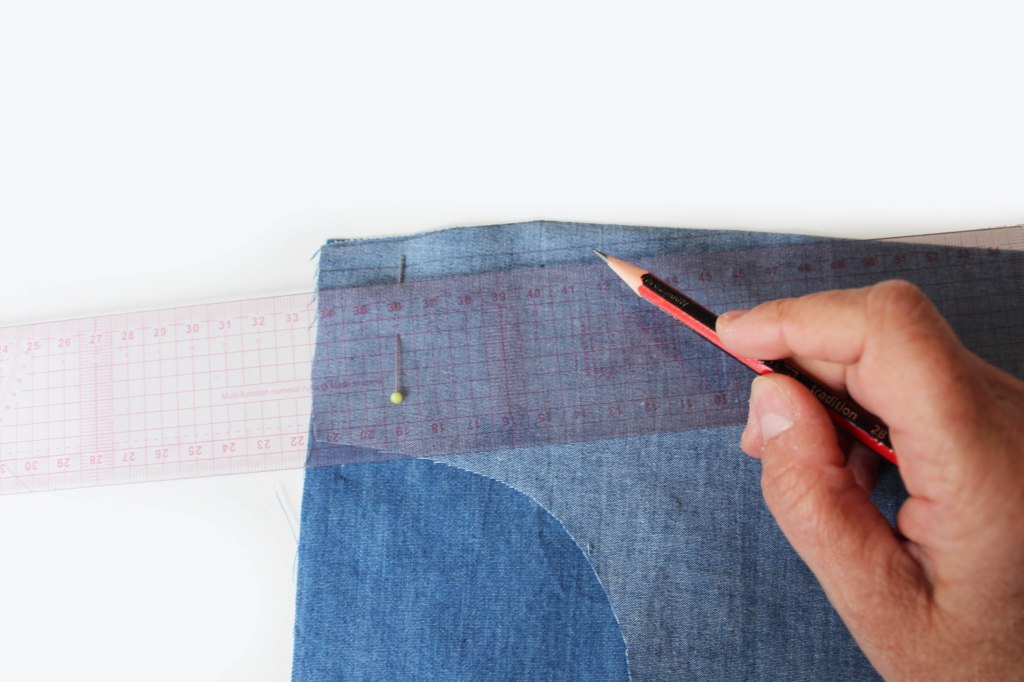
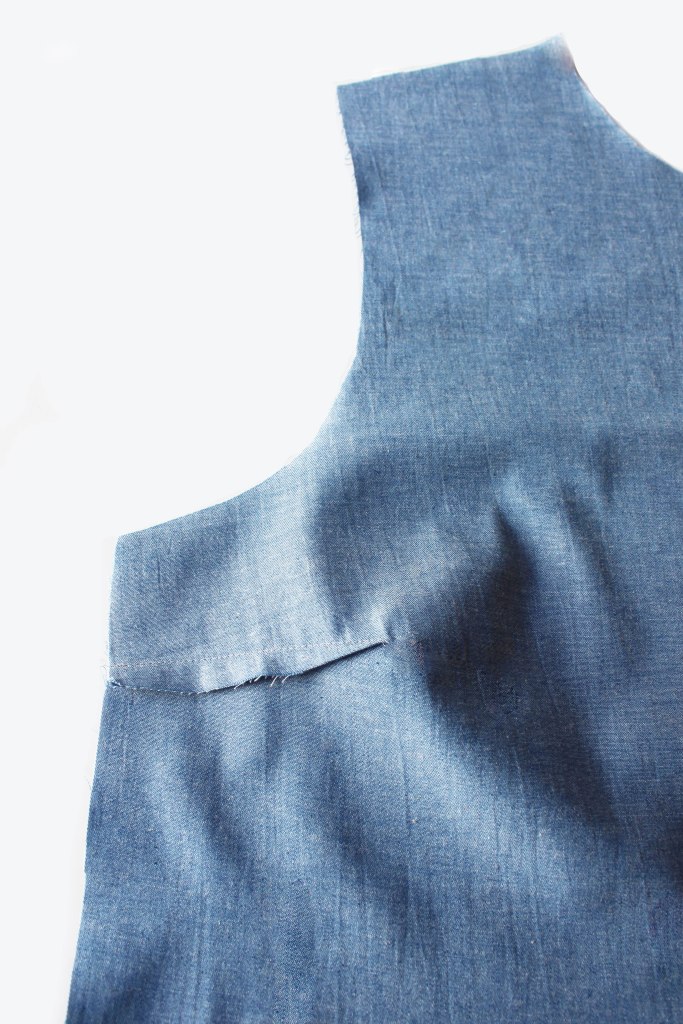
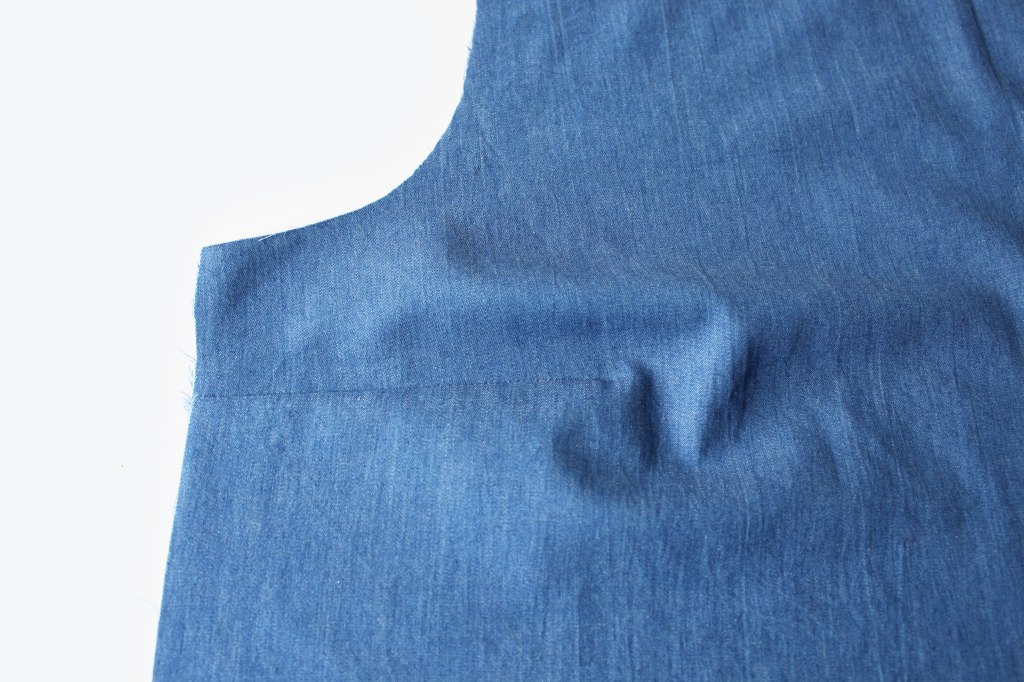
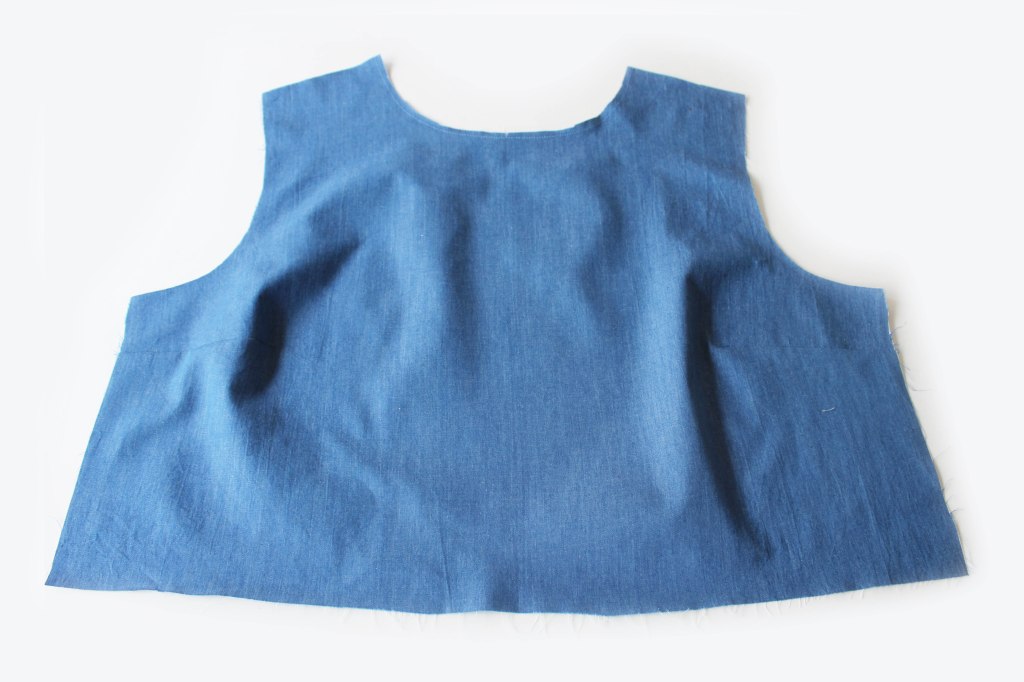
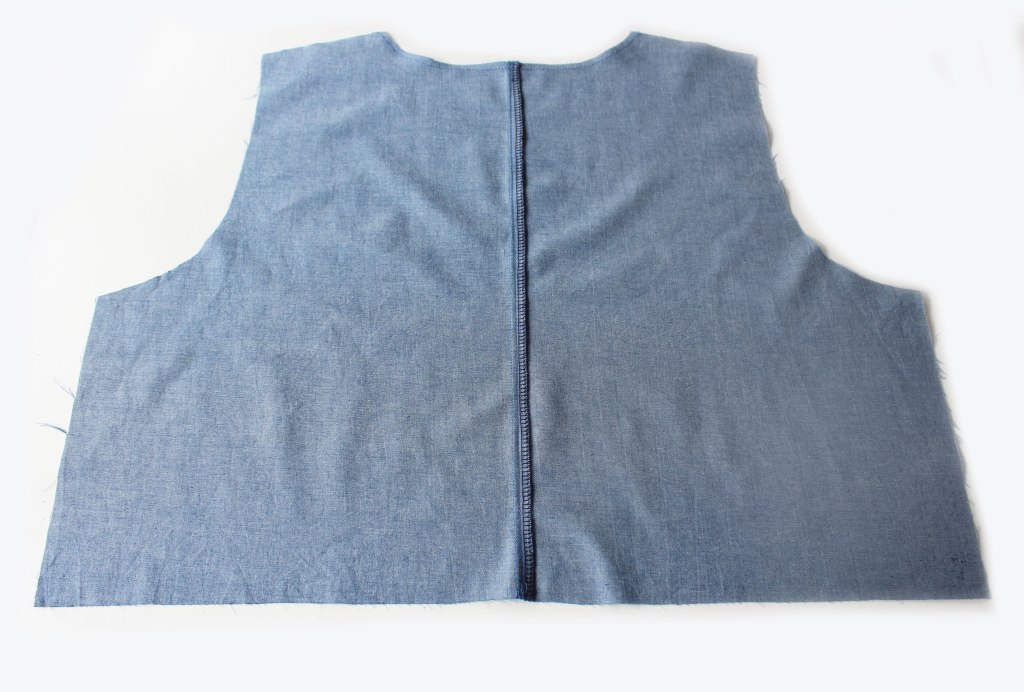
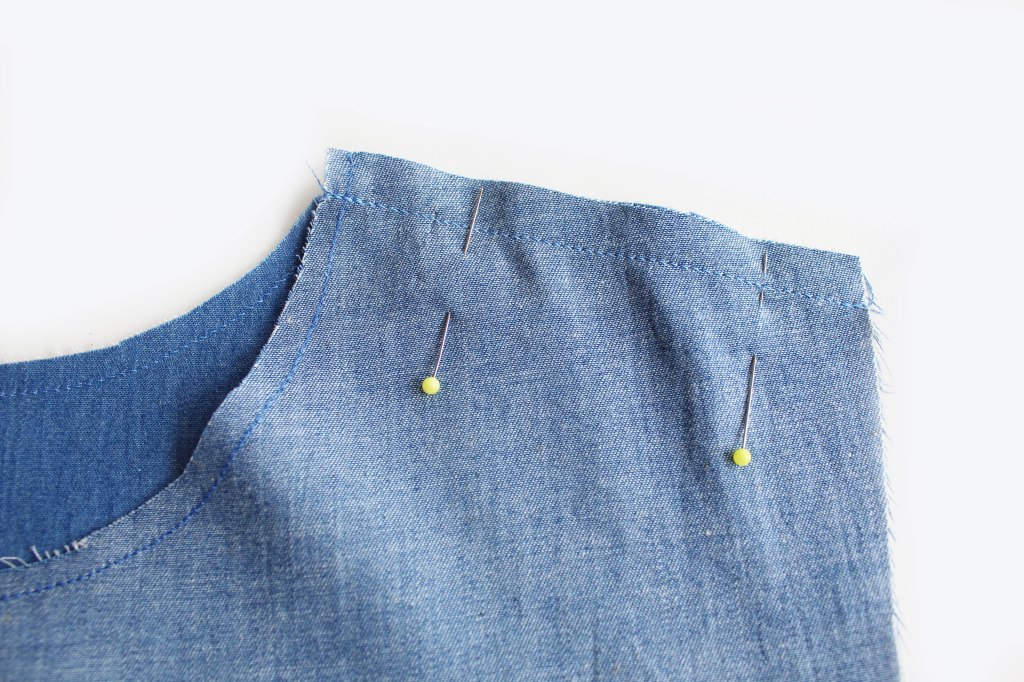
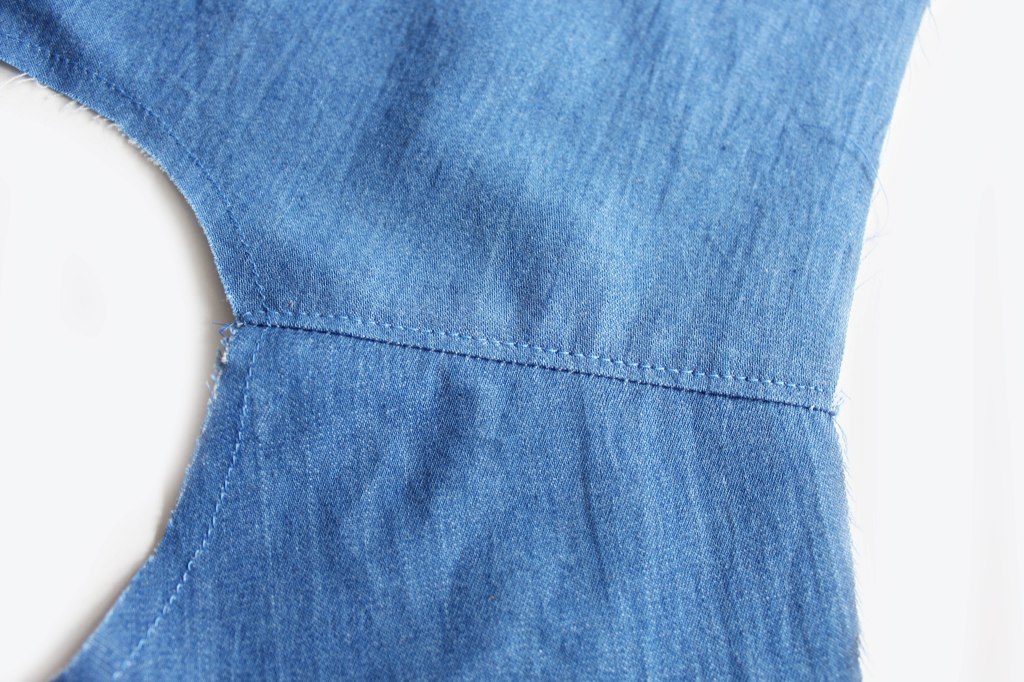
JOINING THE FRONT TO BACK
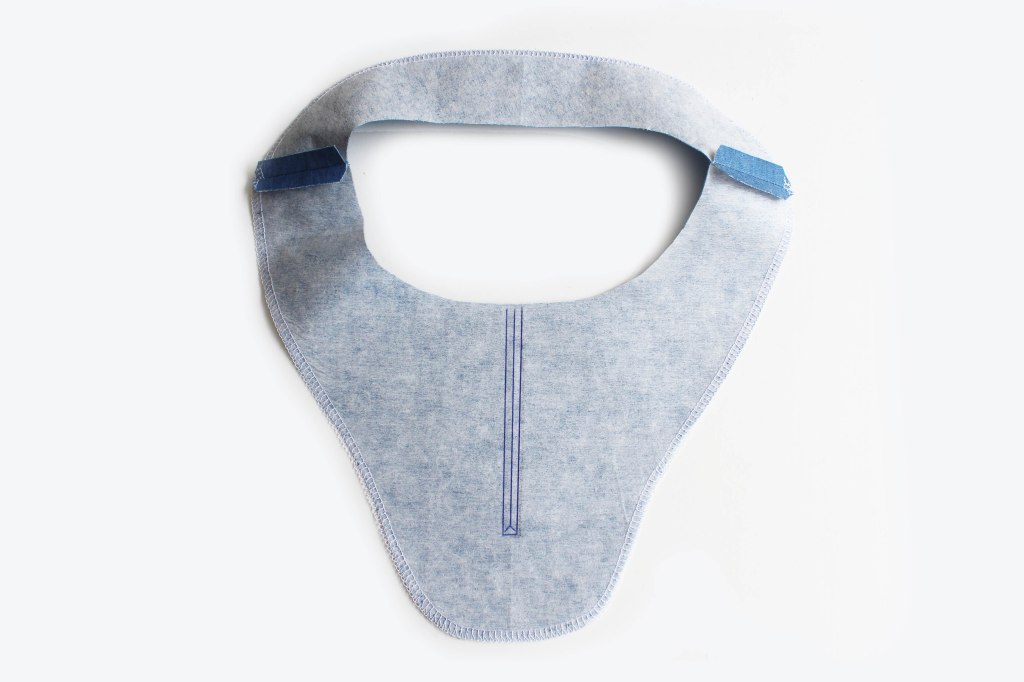
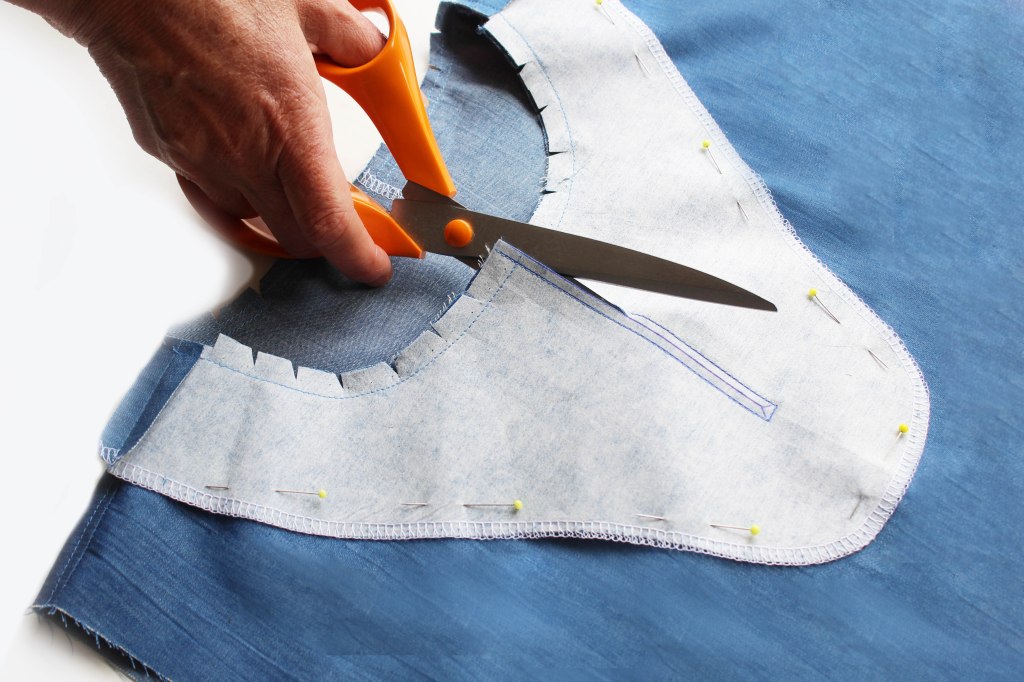
FACINGS
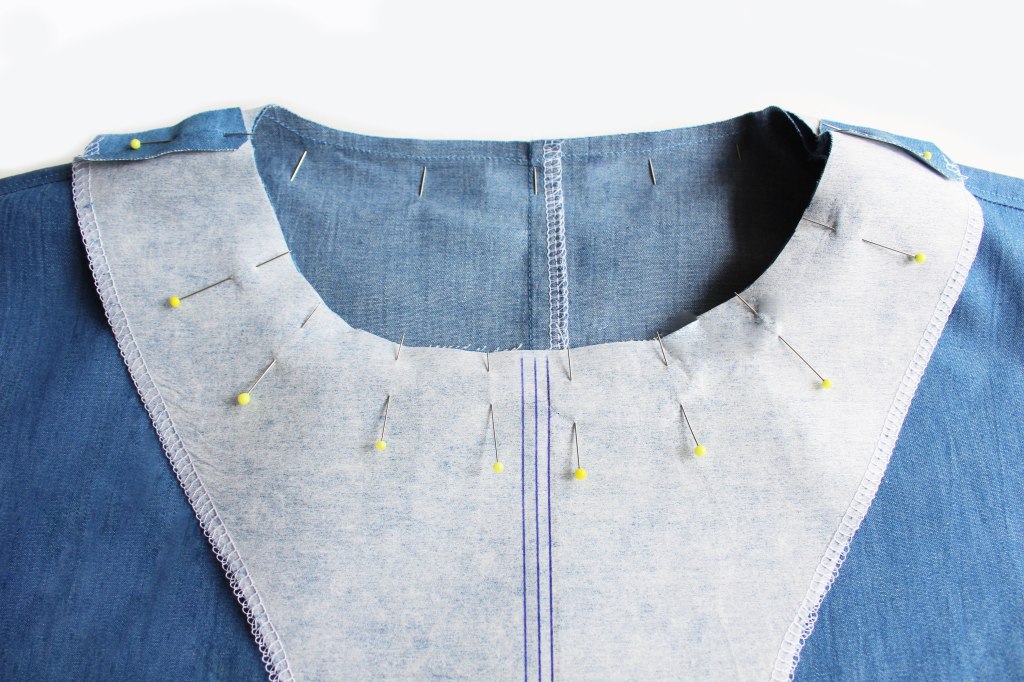
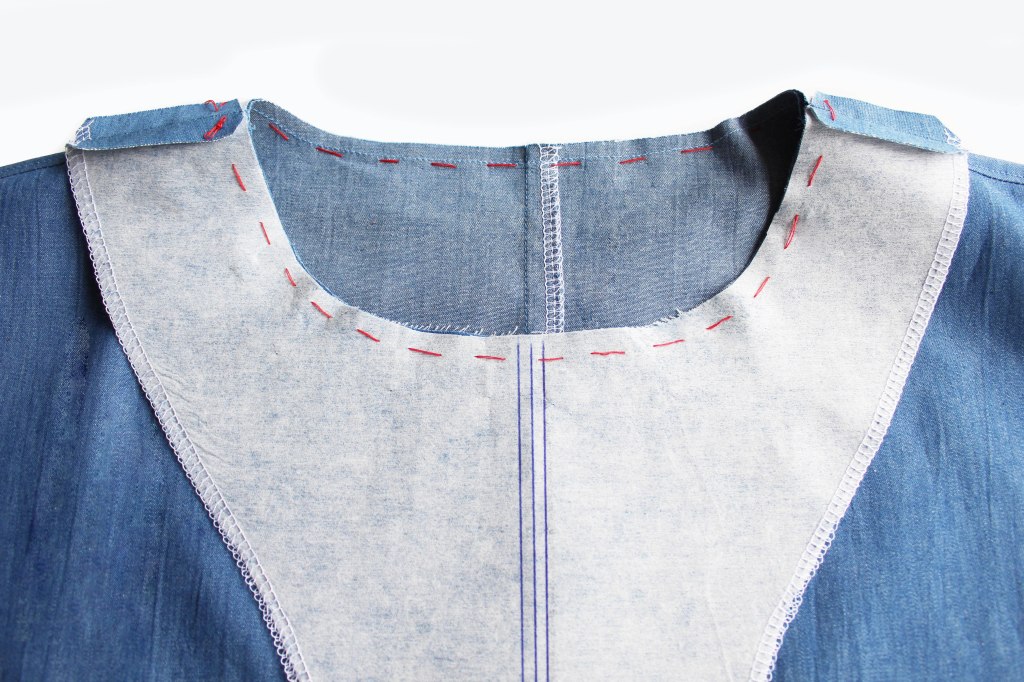
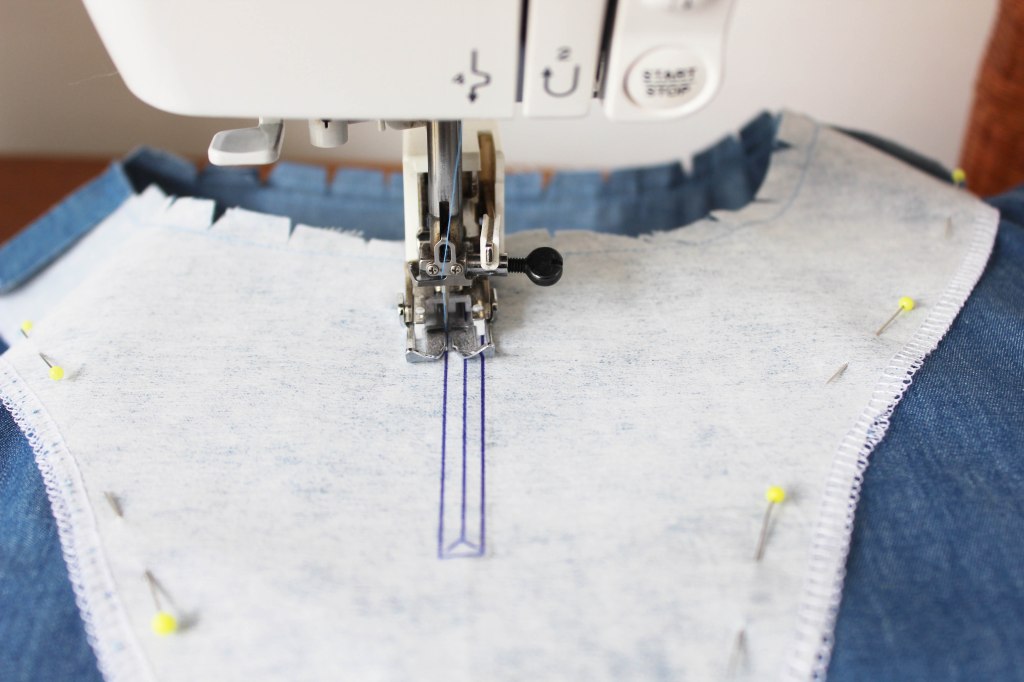
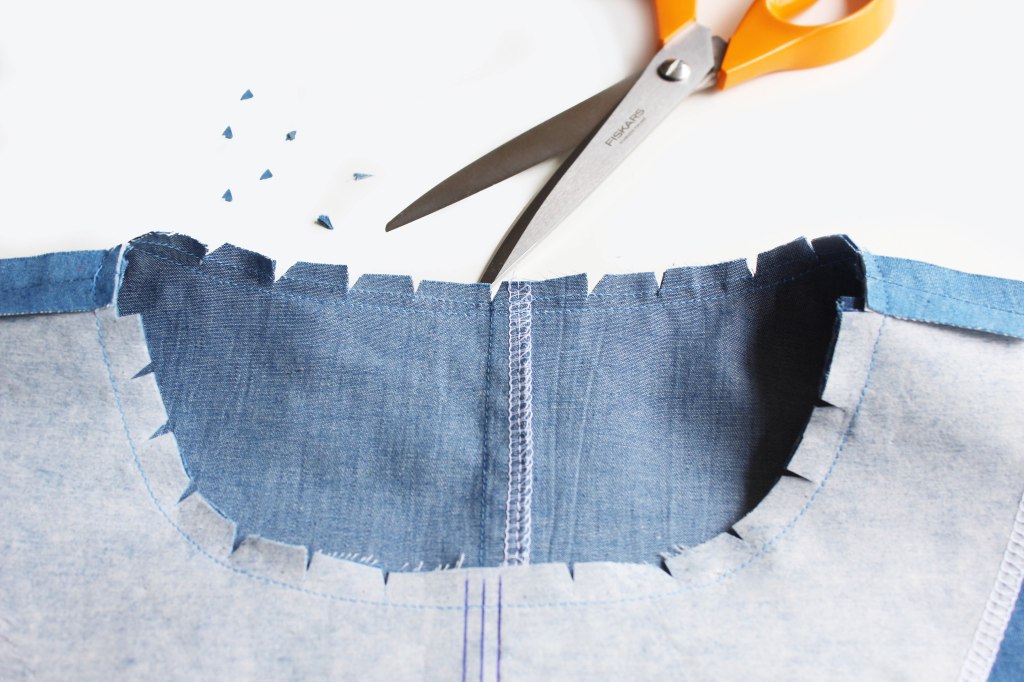
INSERTING THE TIES OR LOOP
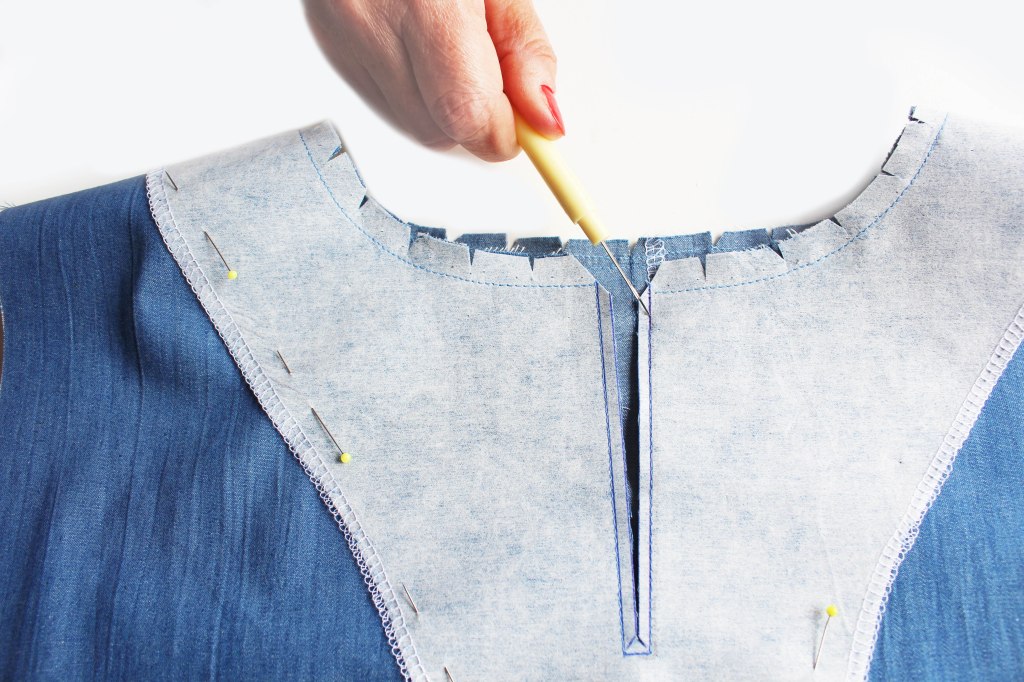
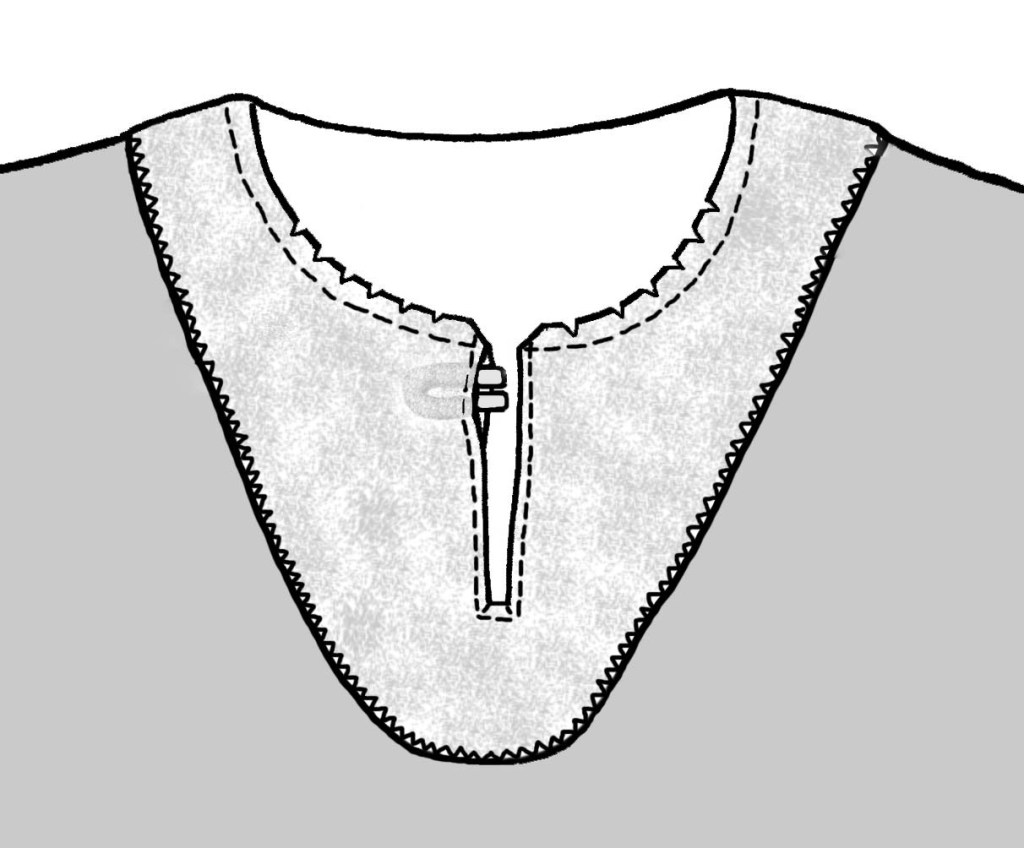
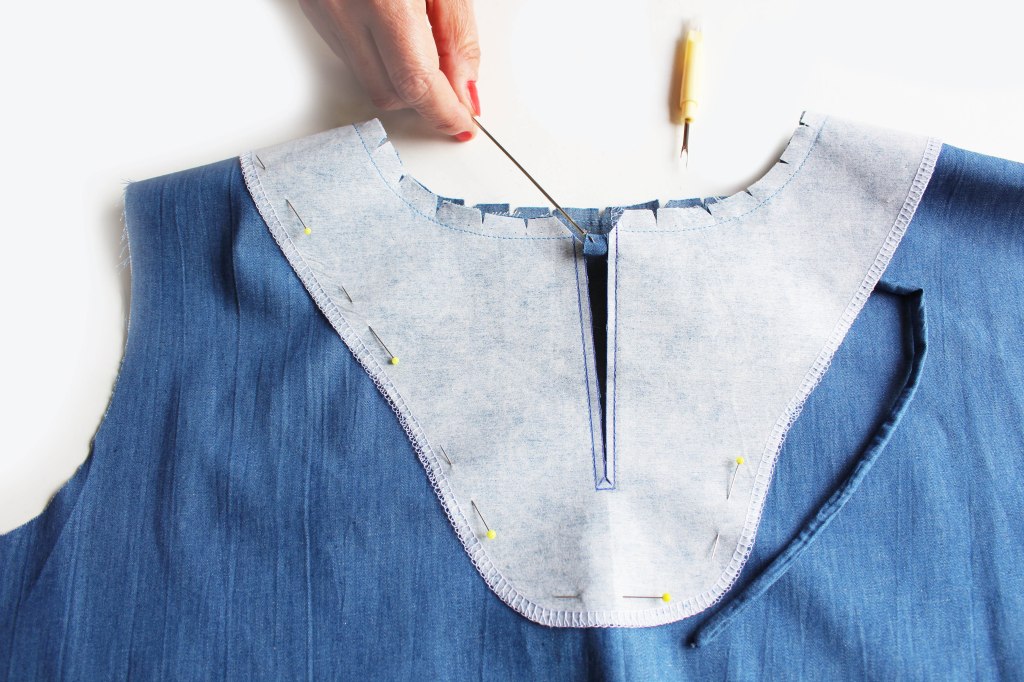
SLEEVES
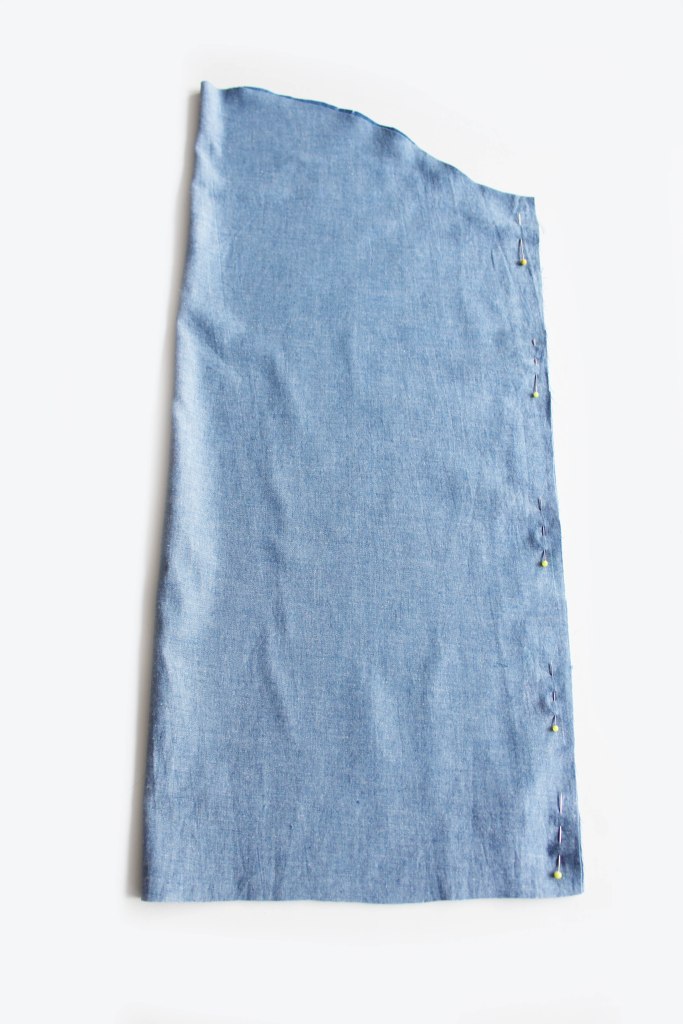
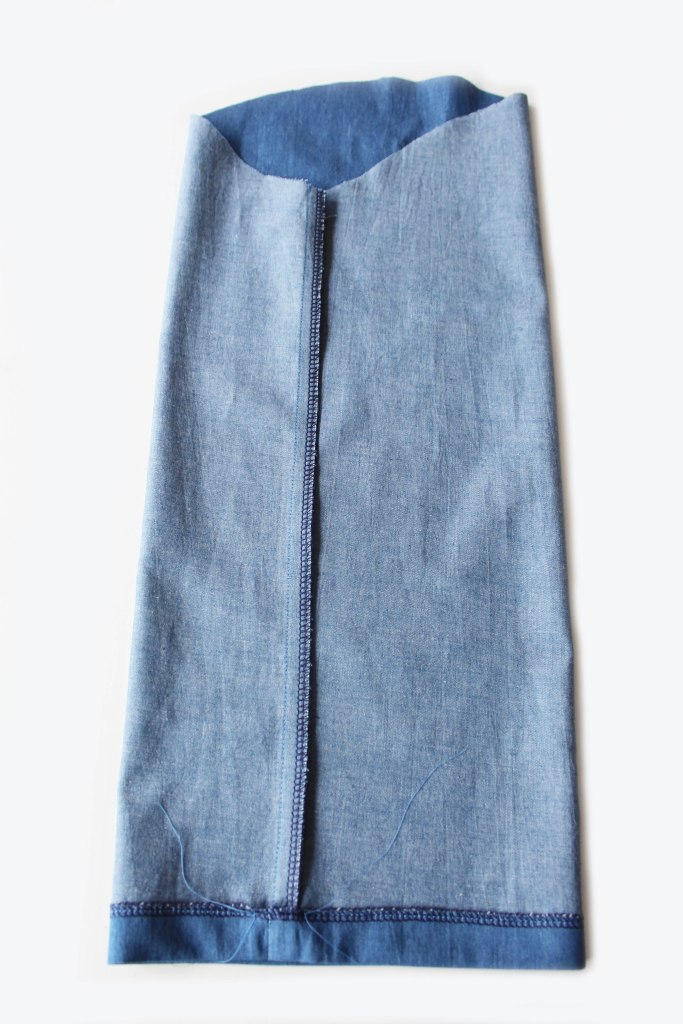
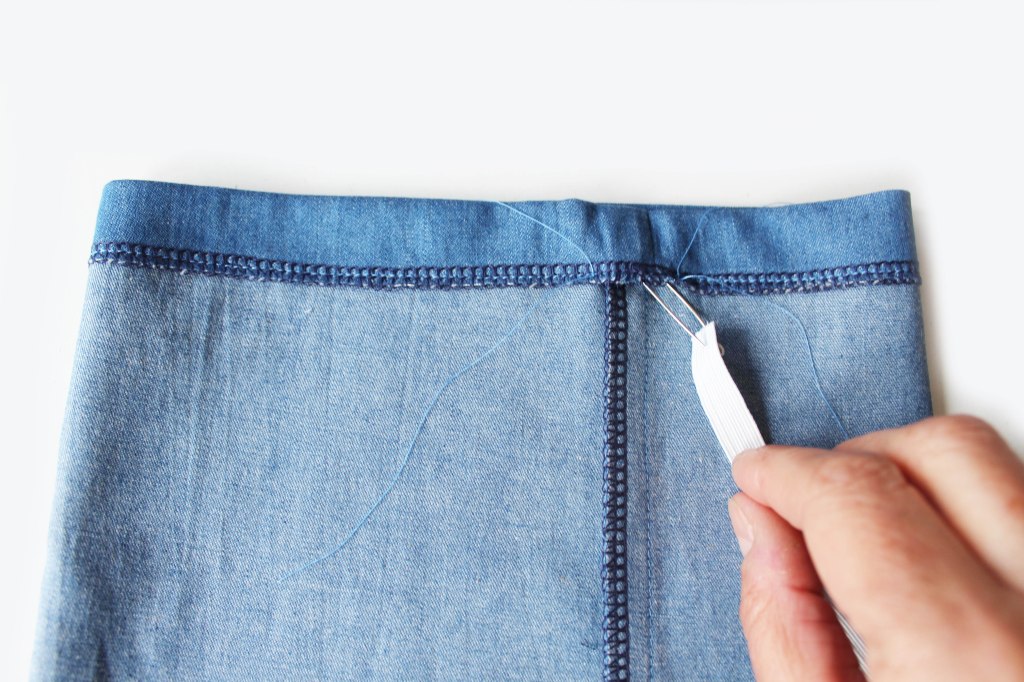
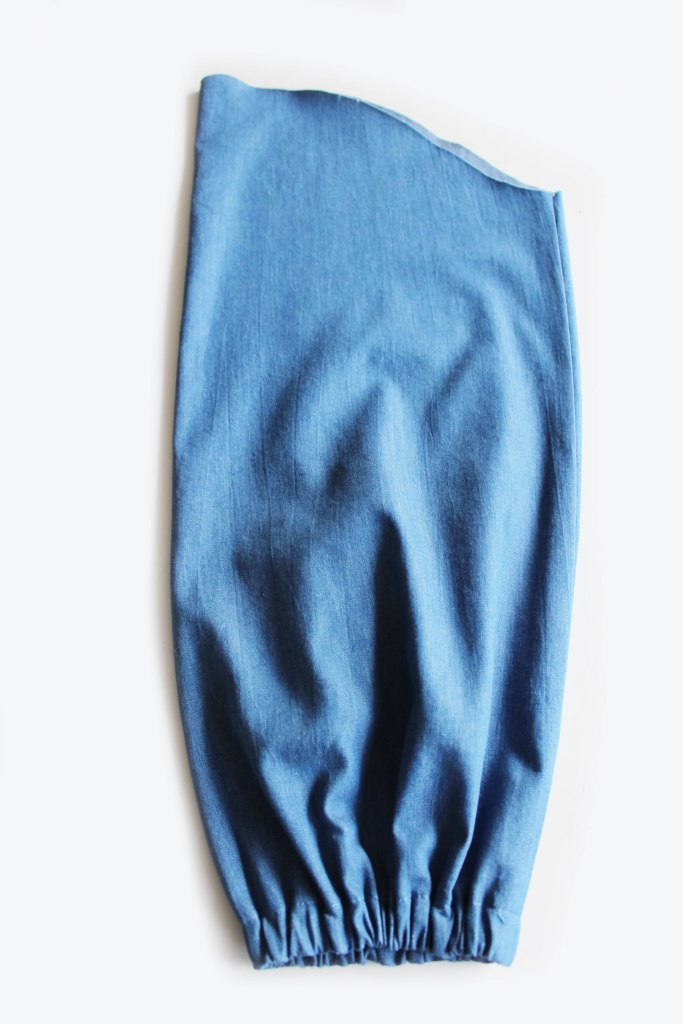
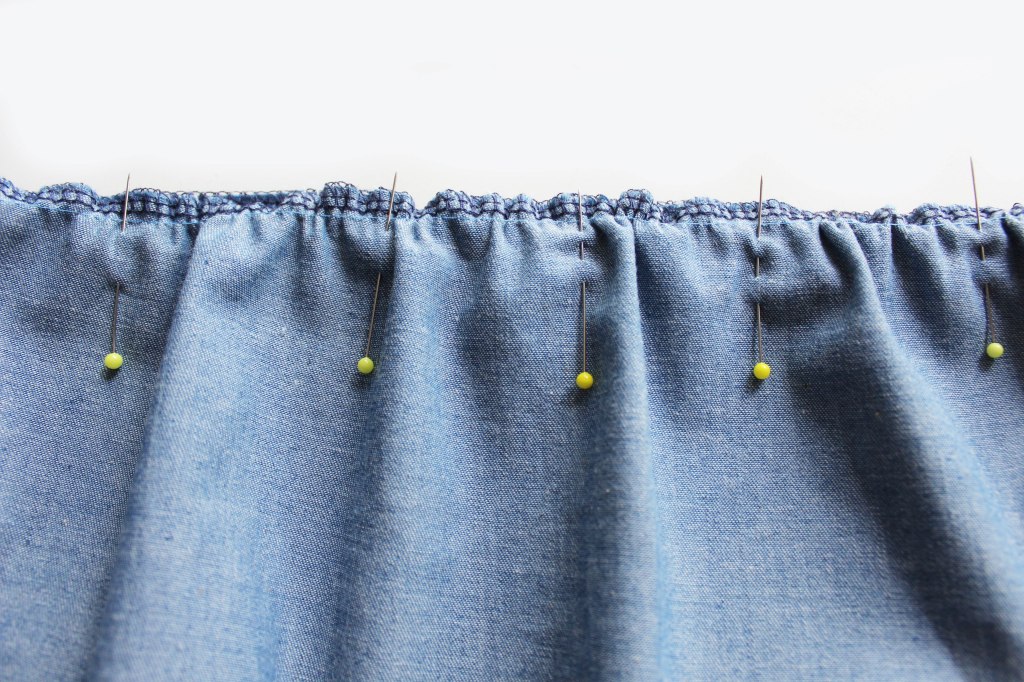
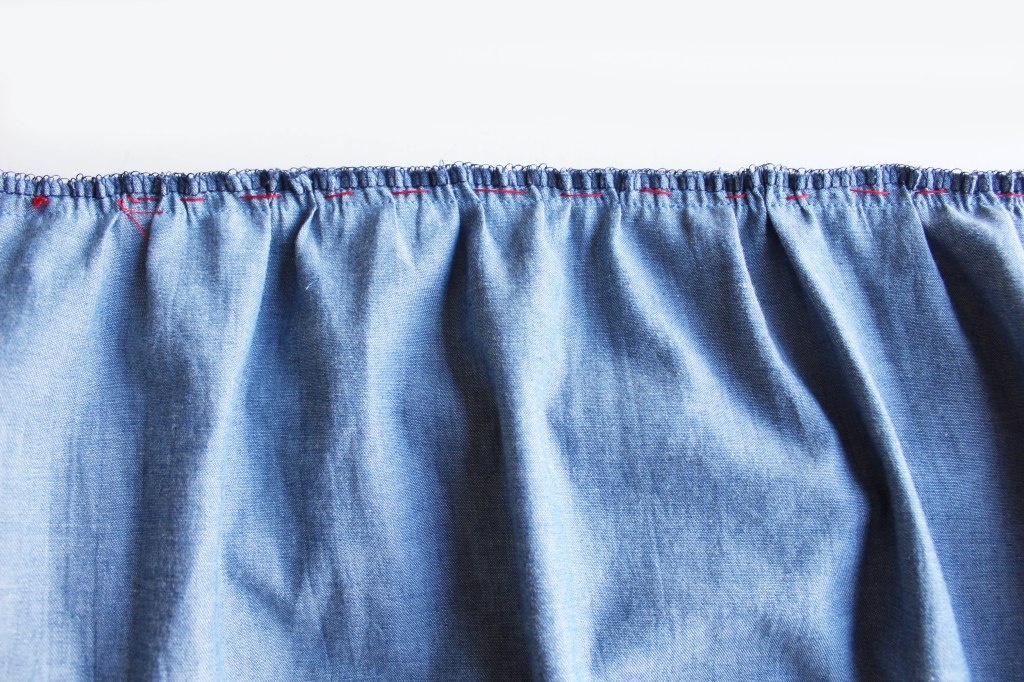
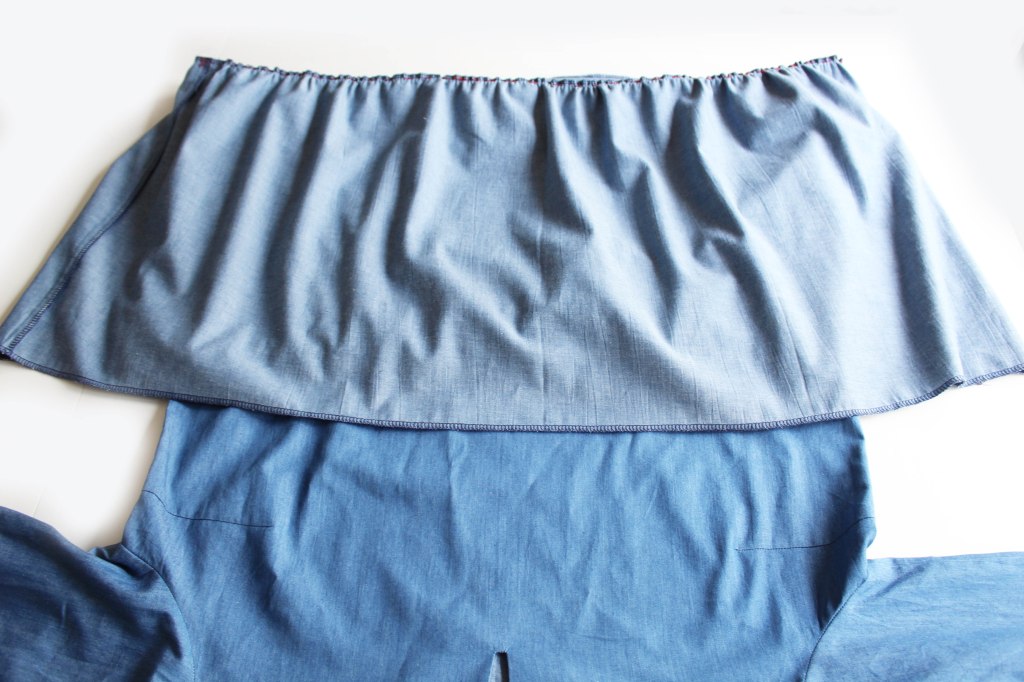
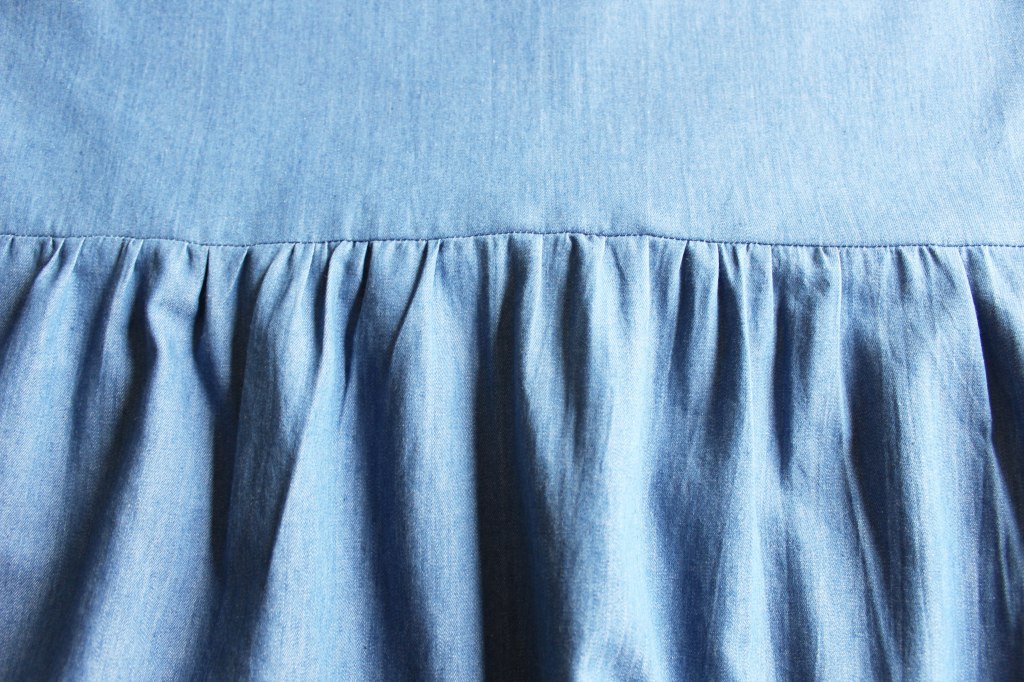
FRILLS
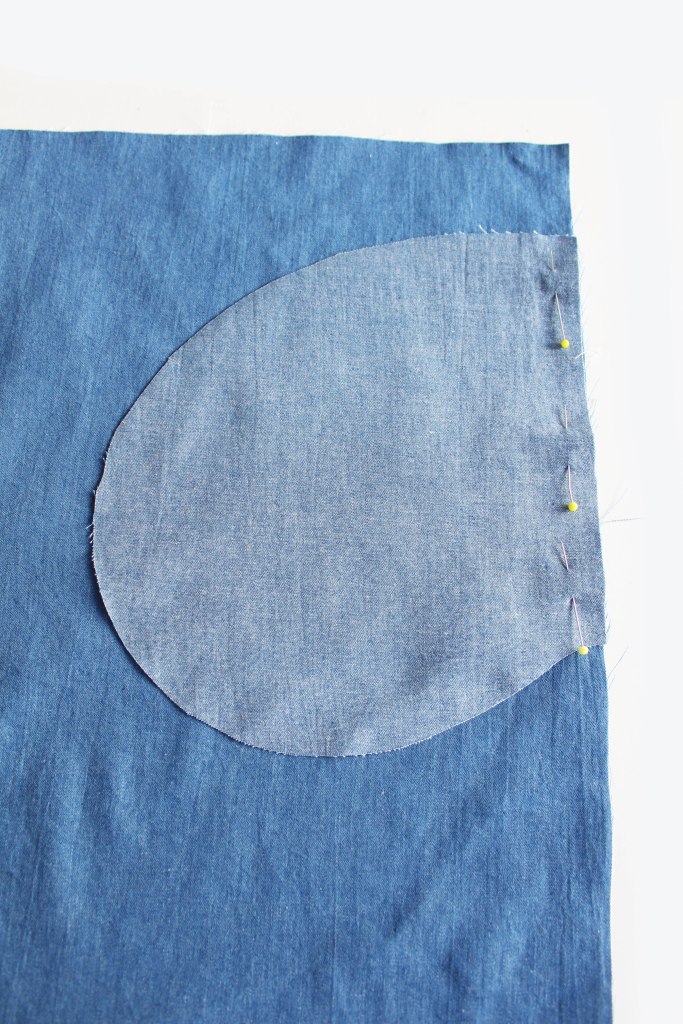
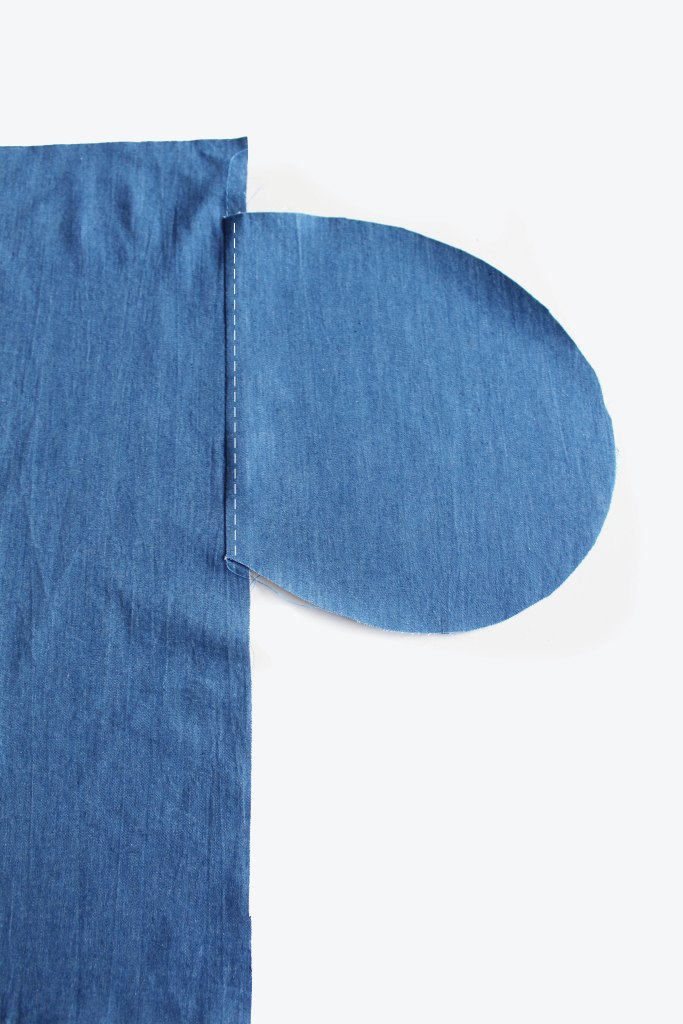
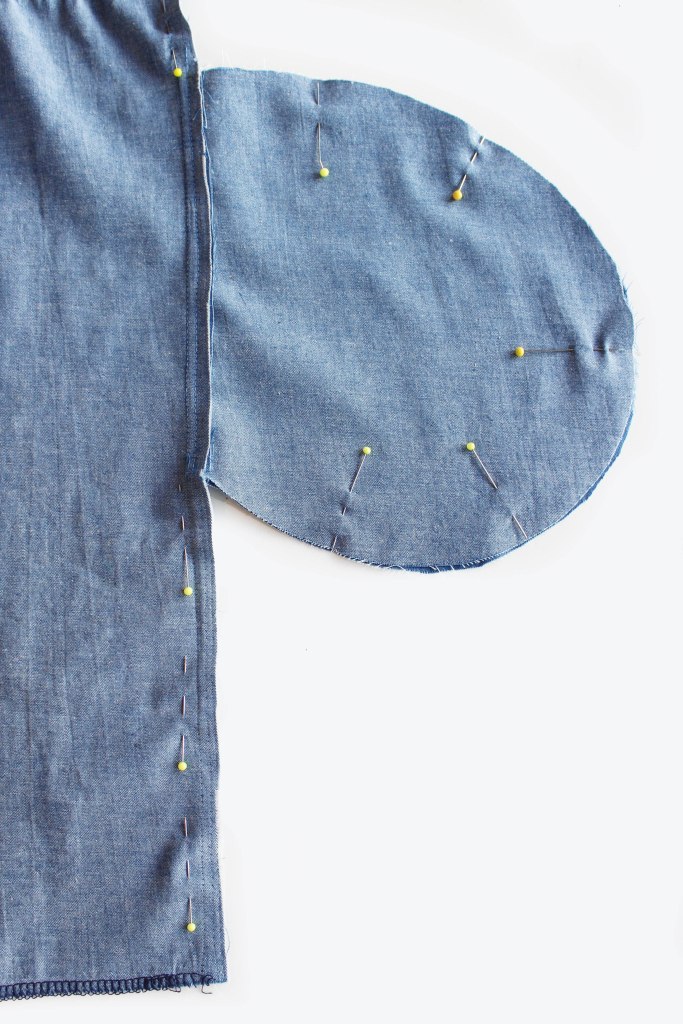
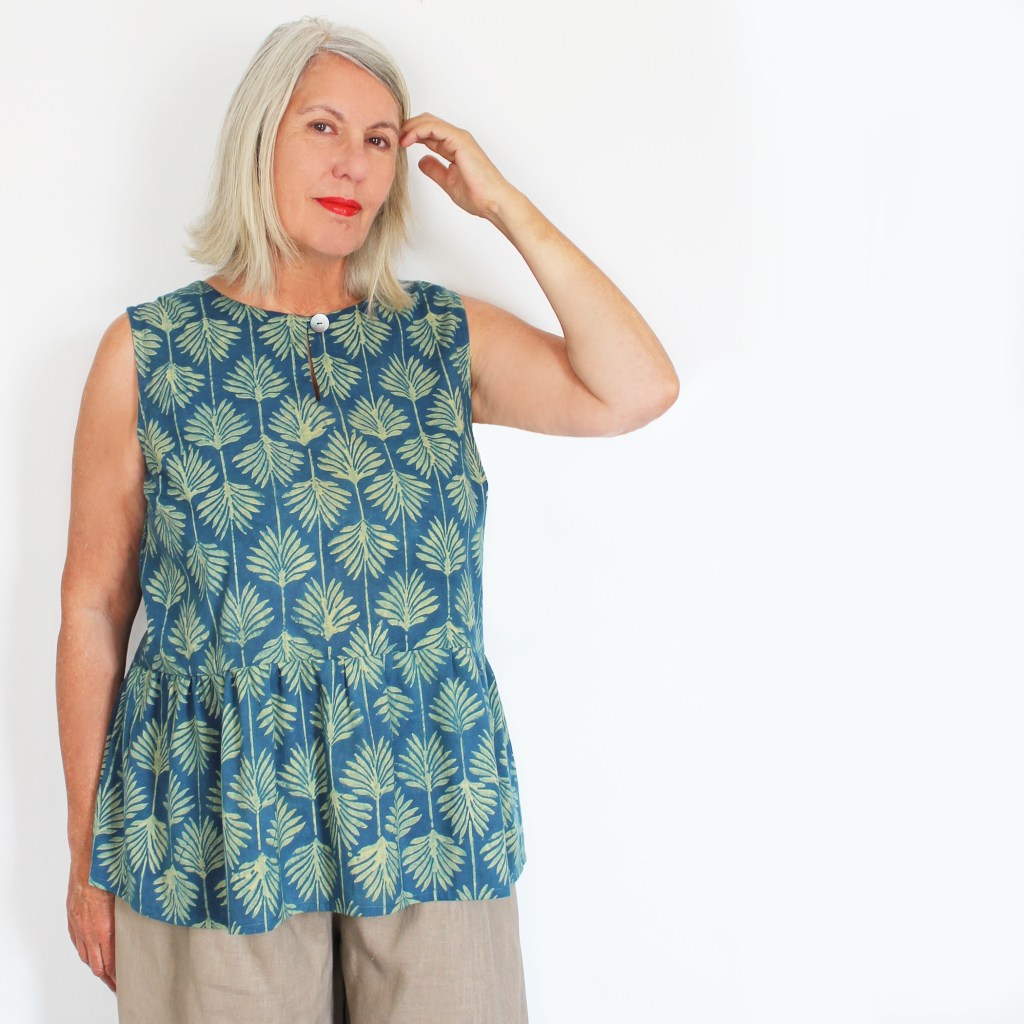

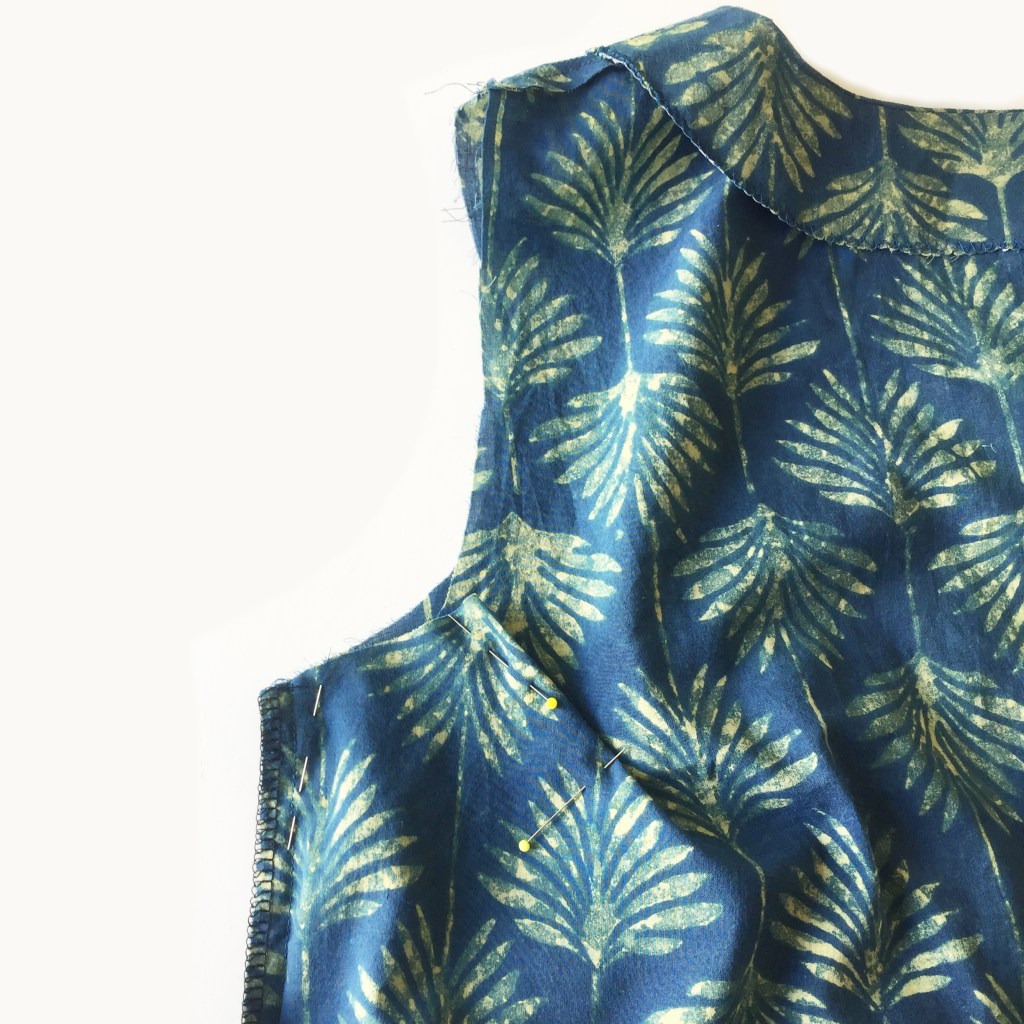
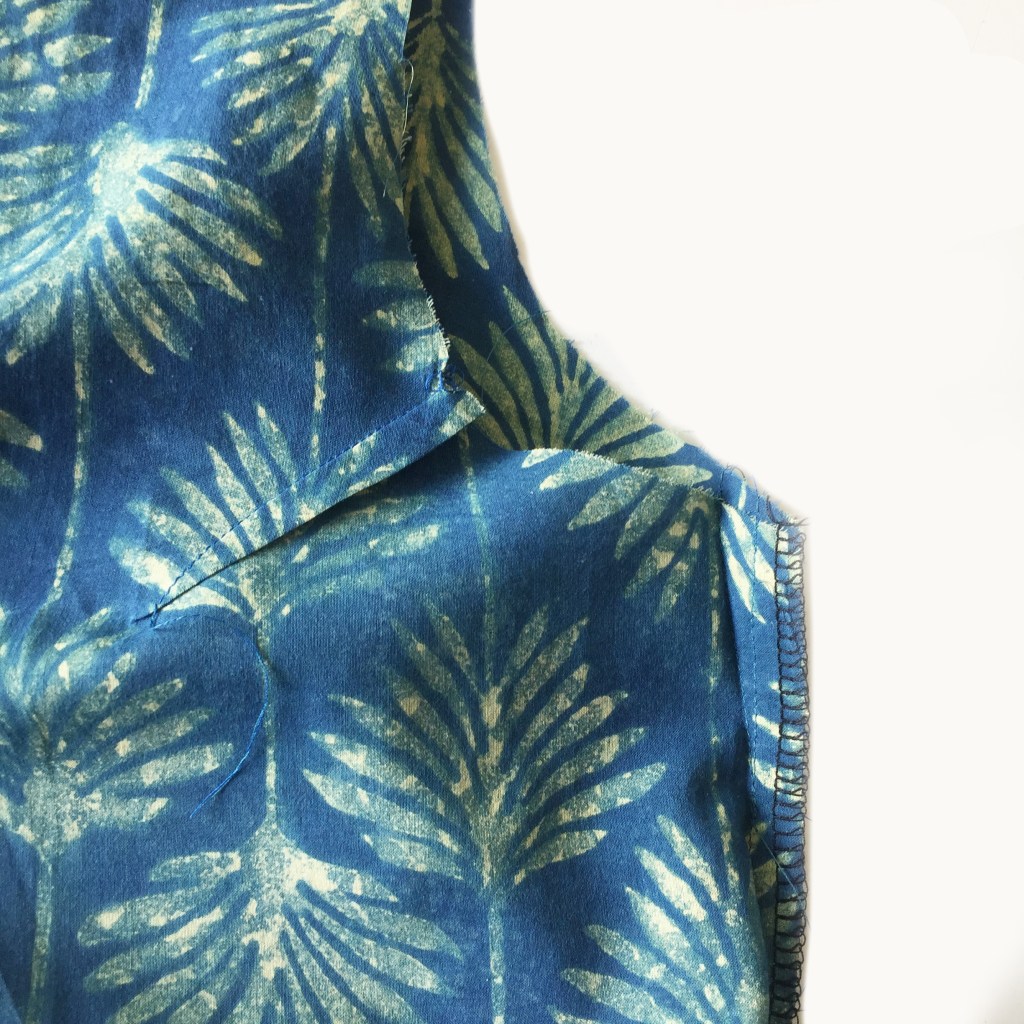
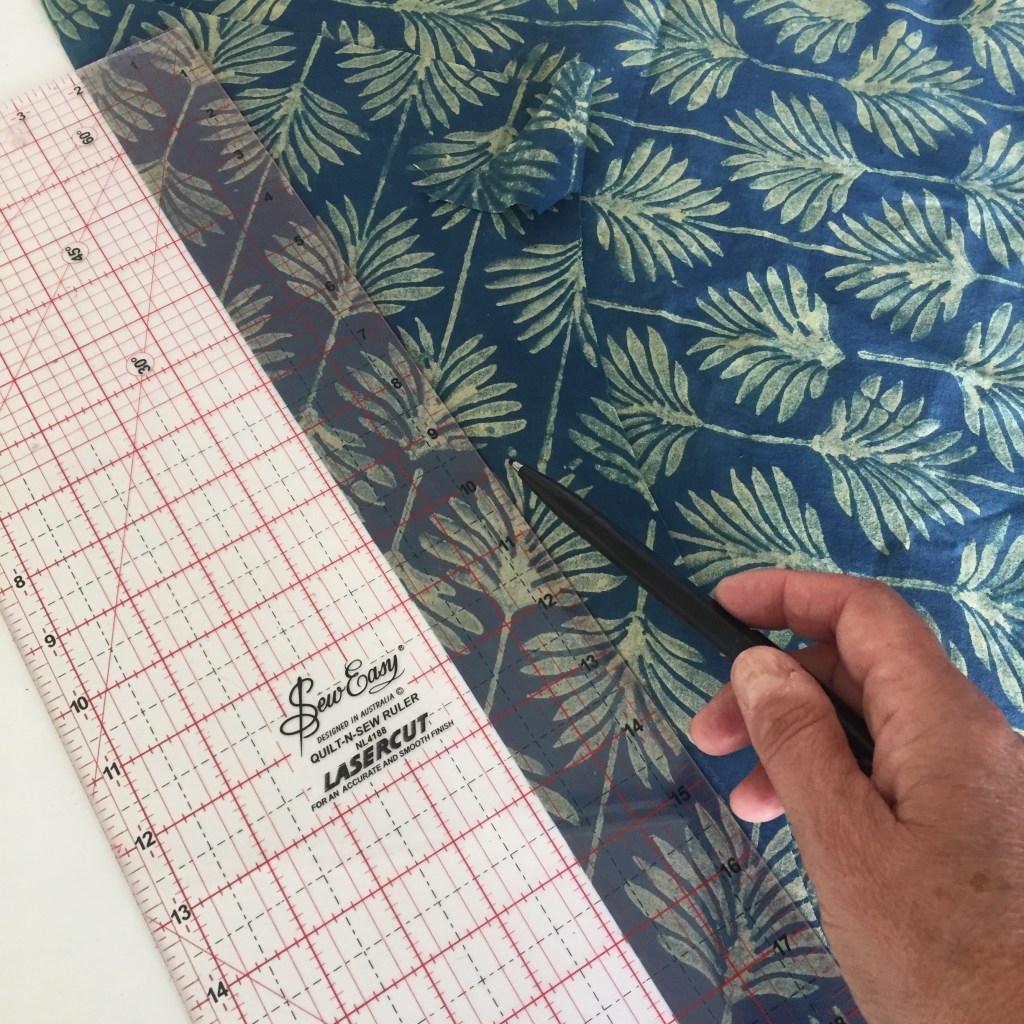
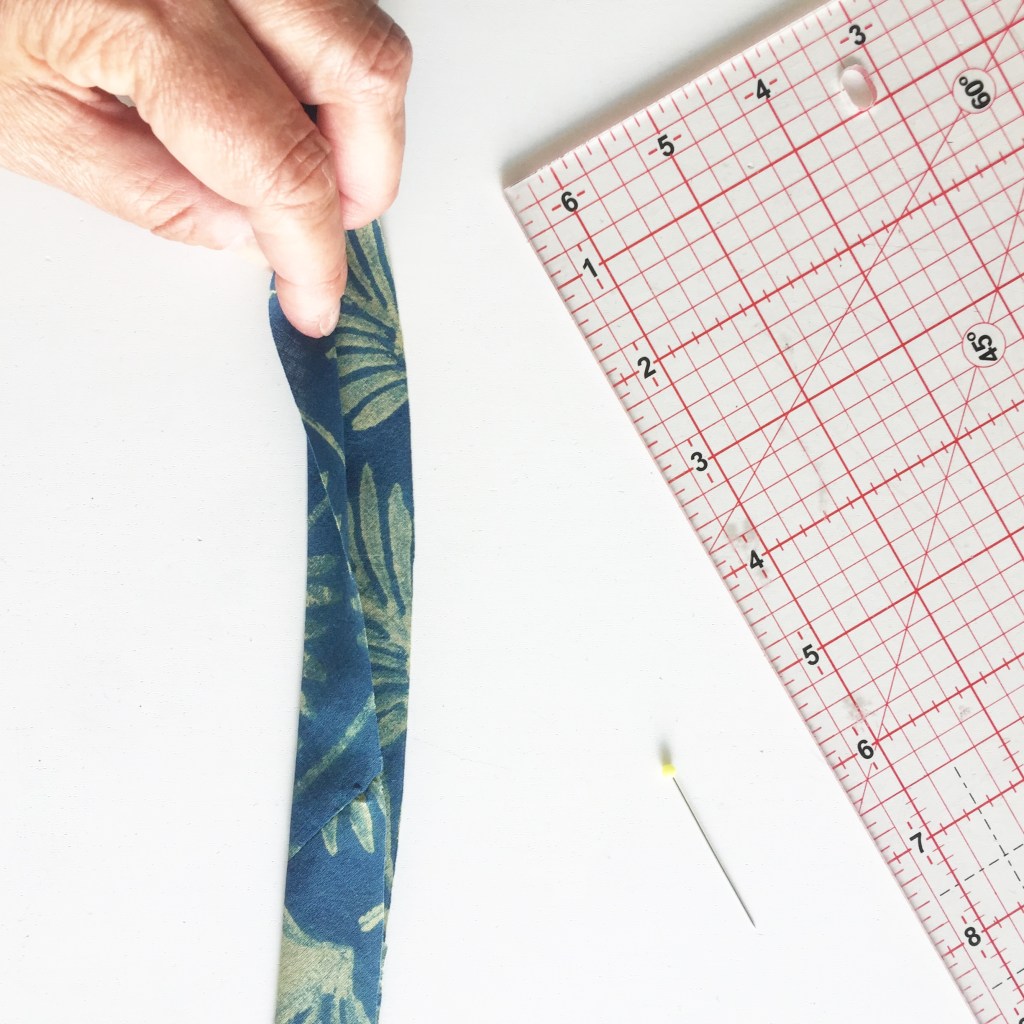
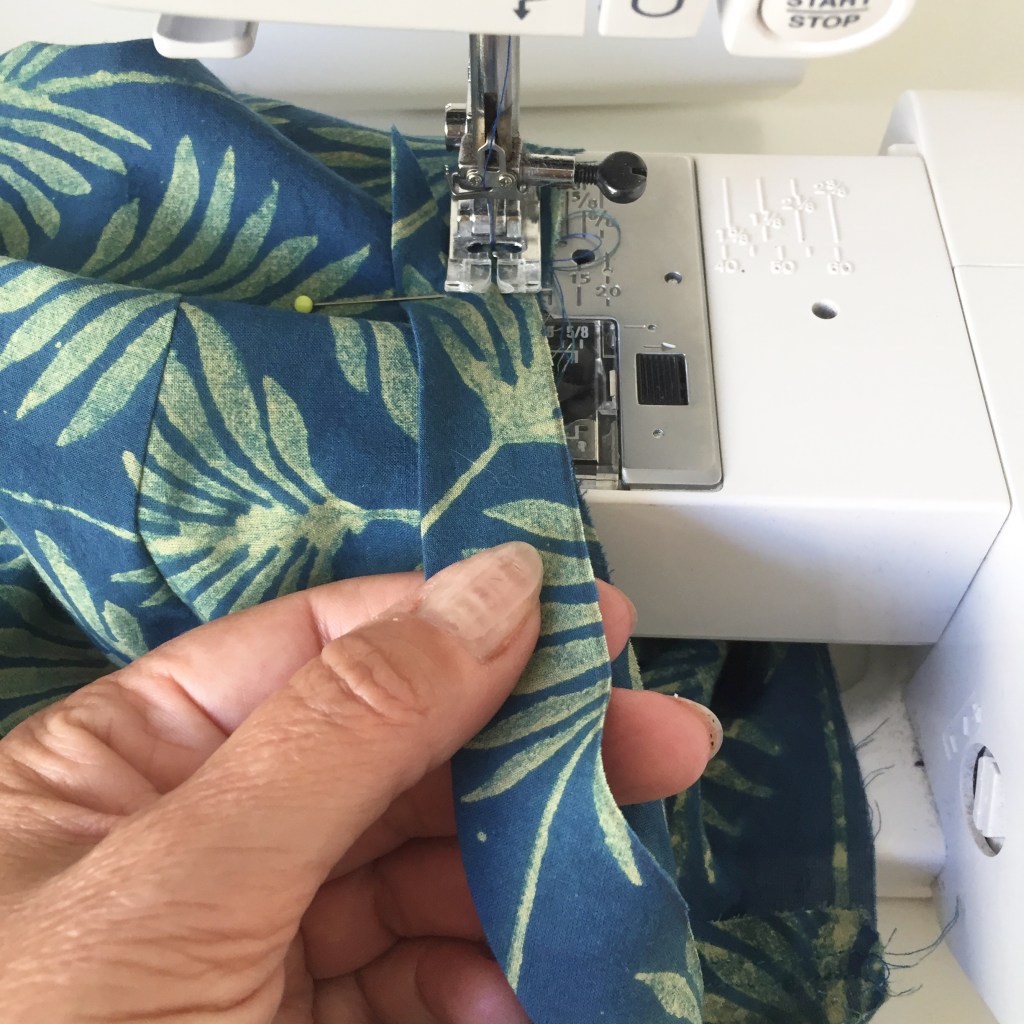
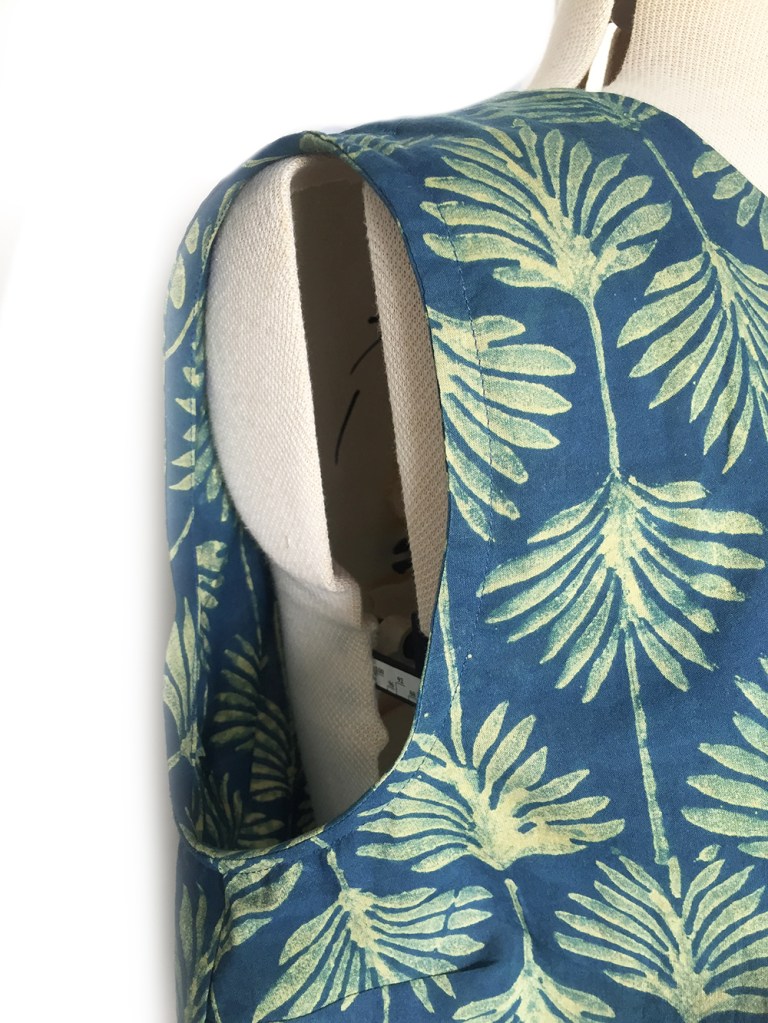
HOW TO MAKE ADJUSTMENTS TO THE ARMHOLE FOR A SLEEVELESS VERSION

All photos and text are subject to copyright by Fiona Hesford T/A Sewgirl .
Please ask permission before copying any imagery prior to use. Thank you.


Orla trapeze dress has become such a classic style, I decided it just had to join the Sewgirl collection.
So let me describe this dress, so as well as being insanely stylish, it is also a very easy relaxed dress to wear. Its trapeze shape allows you lots of movement, so you can eat what you like without feeling constricted. With two side pockets (who doesnt love a sidey) and a choice of two dress lengths and two sleeve lengths, the Option A has a buttoned placket detail at the neckline, edged with bias binding to give it a retro feel or Option B has an alternative simple neck facing.
Both options have a back neck opening. Option A has a hand chain stitch loop, and Option B version you can use the rouleau loop method.
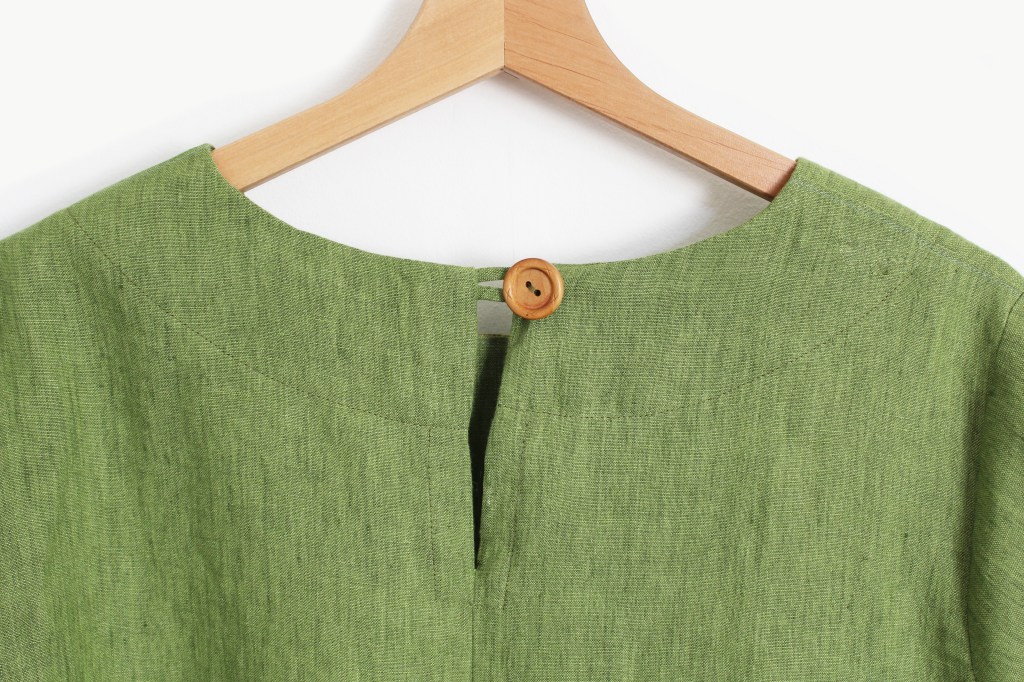
This is an easy pattern to make up, however, the placket detail is probably a little more tricky, so if you have had some experience attaching bias binding you should be ok.
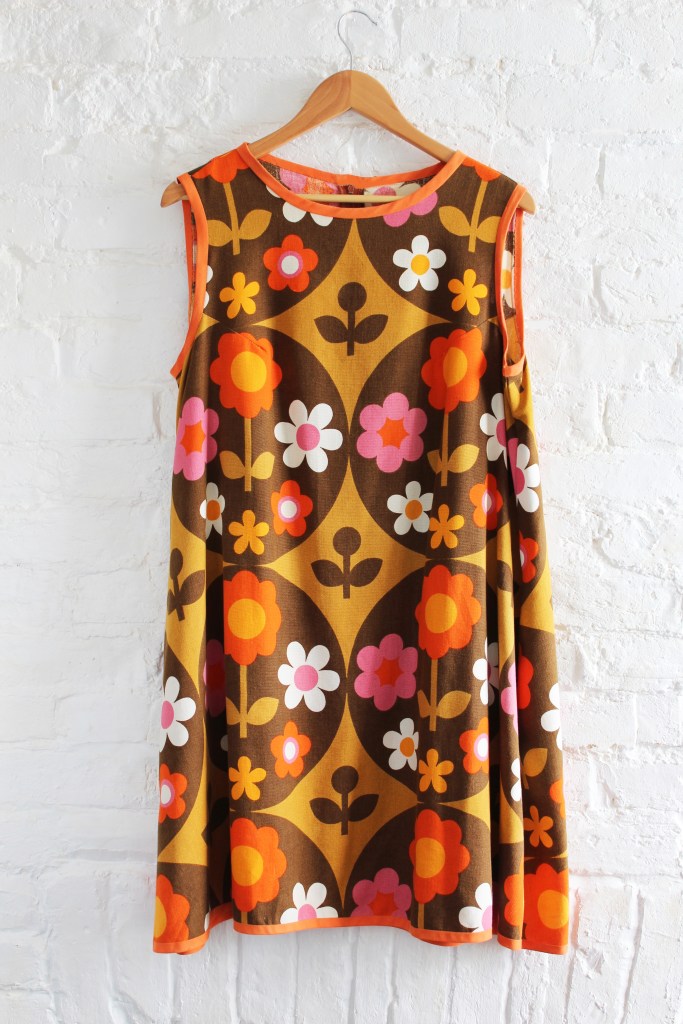
I would say this dress really suits bold prints but it also looks great in plain linens or viscose/linen mixes or the blue and white one (with red trim below) is a voile that I bought from slubbedprints.co.uk who have a wonderful collection of hand block print cotton fabrics from India. You can really play around with matching up one of the colours in your print or using a complete contrast colour binding as I have done here.


Some other versions of Orla that Ive made in bold prints.

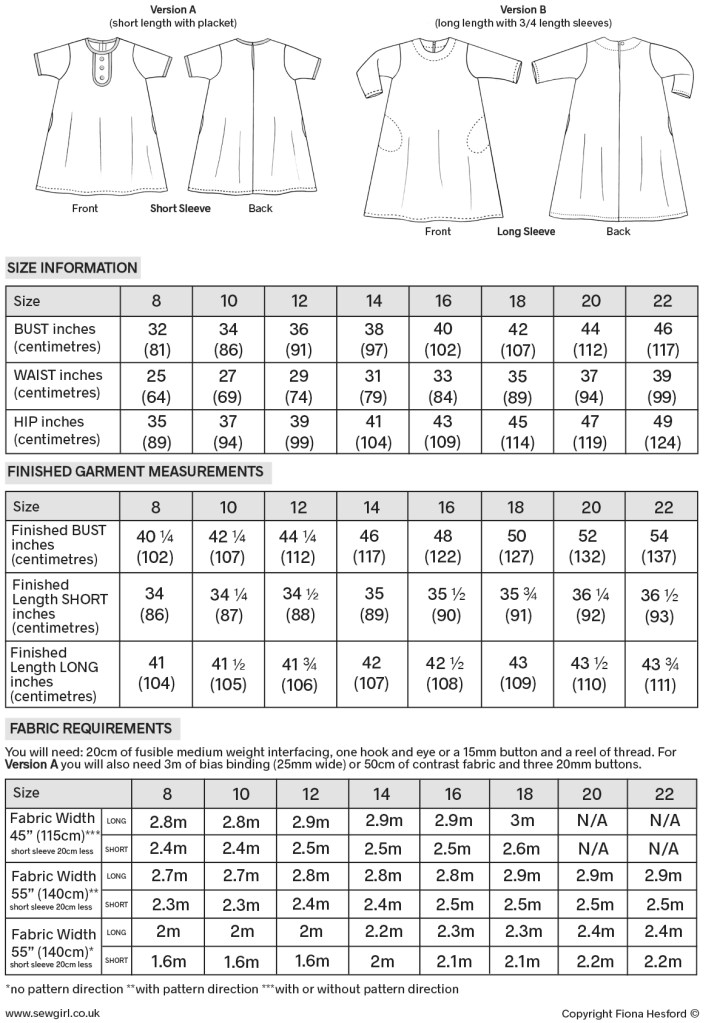
Here are details about fabric requirements, size info and finished garment details.
So you will also need some equipment like a loop turner or a large eye blunt ended needle, tacking thread and needle, an iron, a good pair of dressmaking scissors and a stitch ripper for any back tracking you may need to make!
HOW TO MAKE ORLA
Here are some pictures and text to give you an idea about how this dress is made before you buy.
CUTTING TIP FOR FABRICS 112cm WIDE SIZES 20 & 22
Just one tip before you start cutting out your fabric pieces on a narrower width fabric, if you are cutting out sizes 20+ you may not have the width at the lower edge, my advise would be to add a square of fabric extension on the lower selvedge edge to compensate.

The Front and Back are joined at the shoulder seams and topstitched.
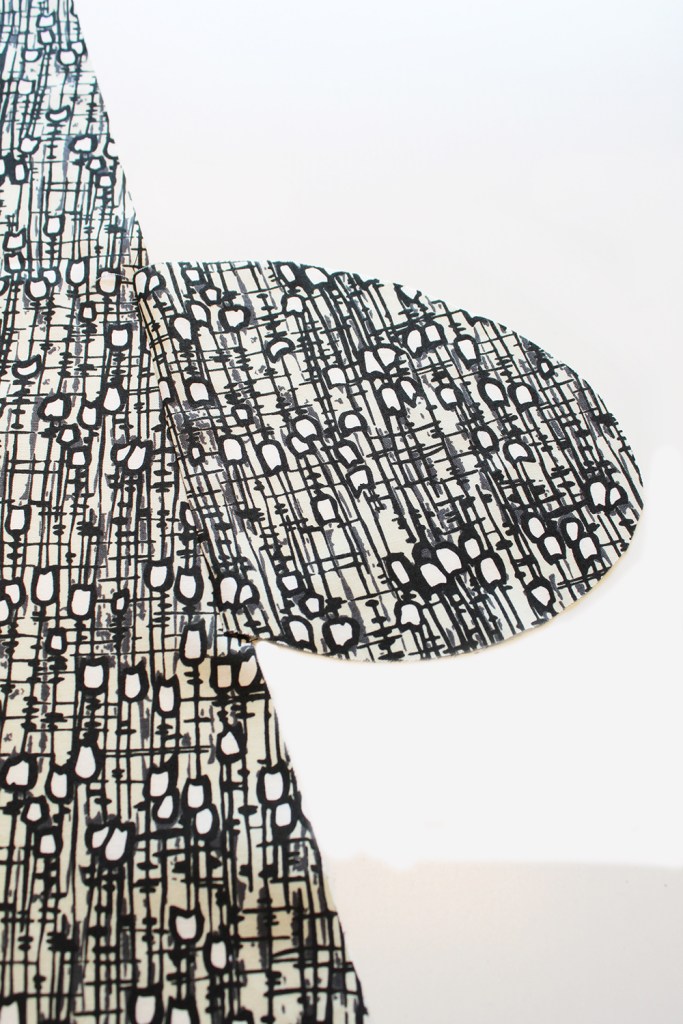
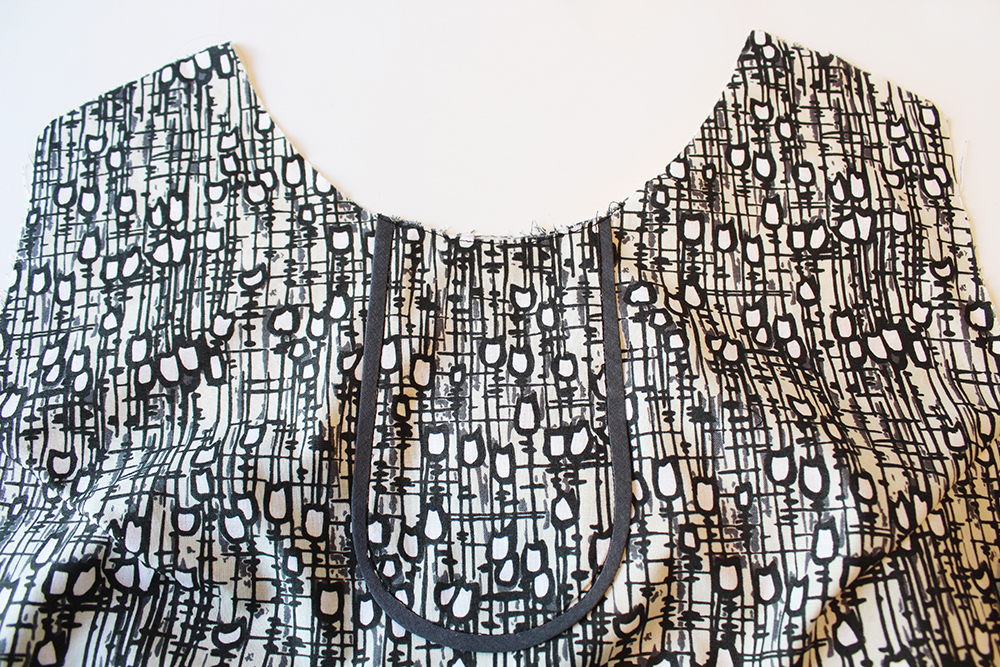
Then its on to the bias binding bit for Option A only. For Option B see below.
OPTION A
The pattern gives you lots more details about how to do the binding.




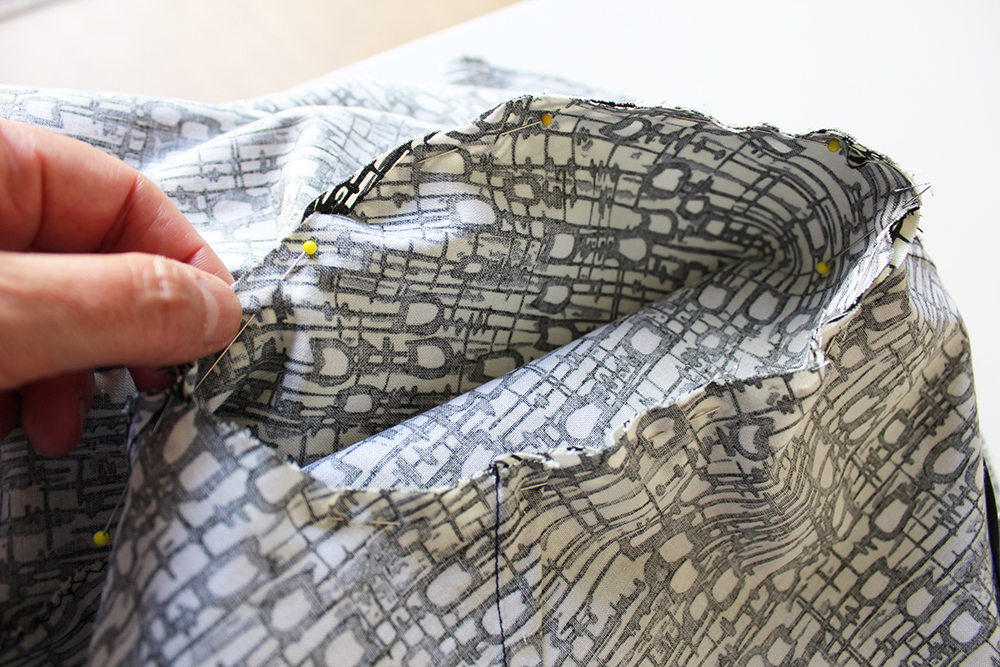



ORLA DRESS VERSION B (with a simple neck facing)
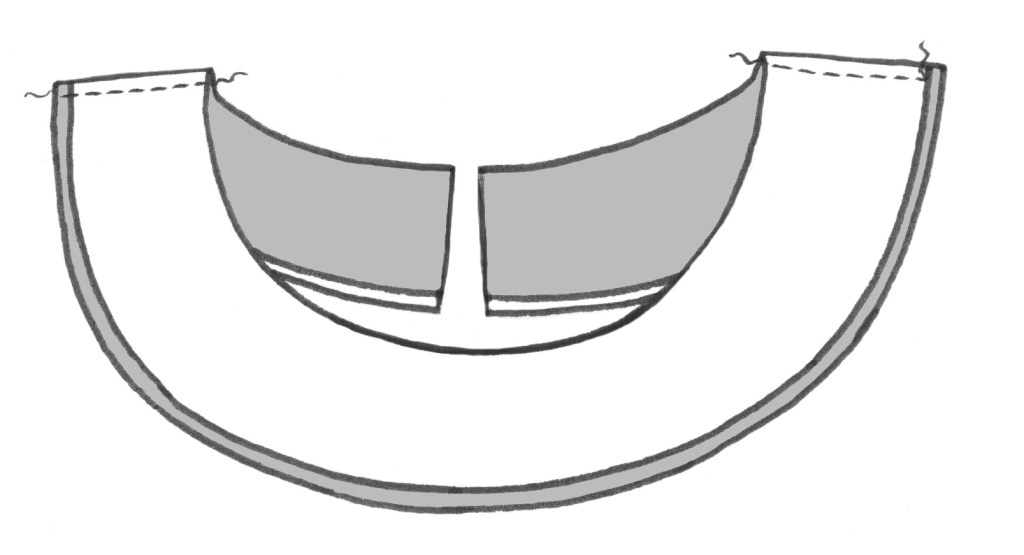
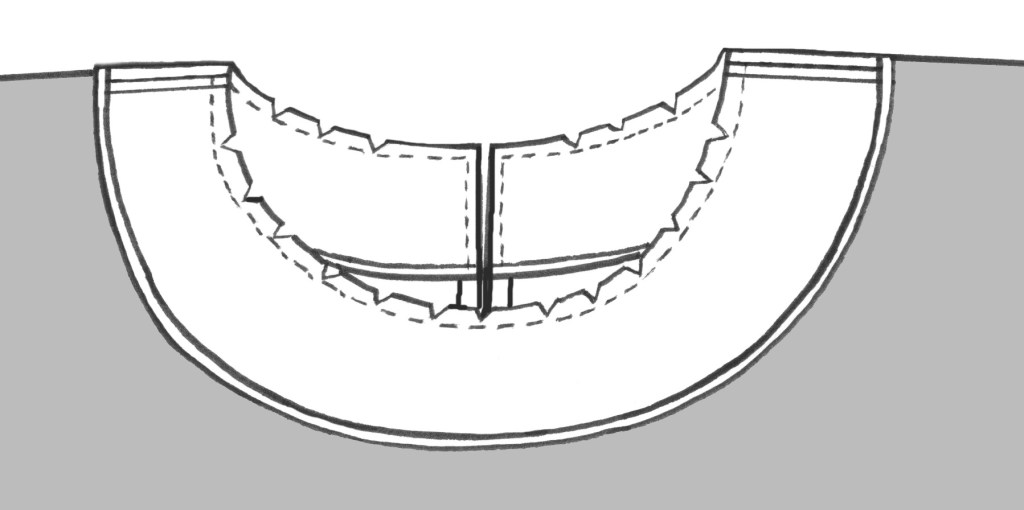
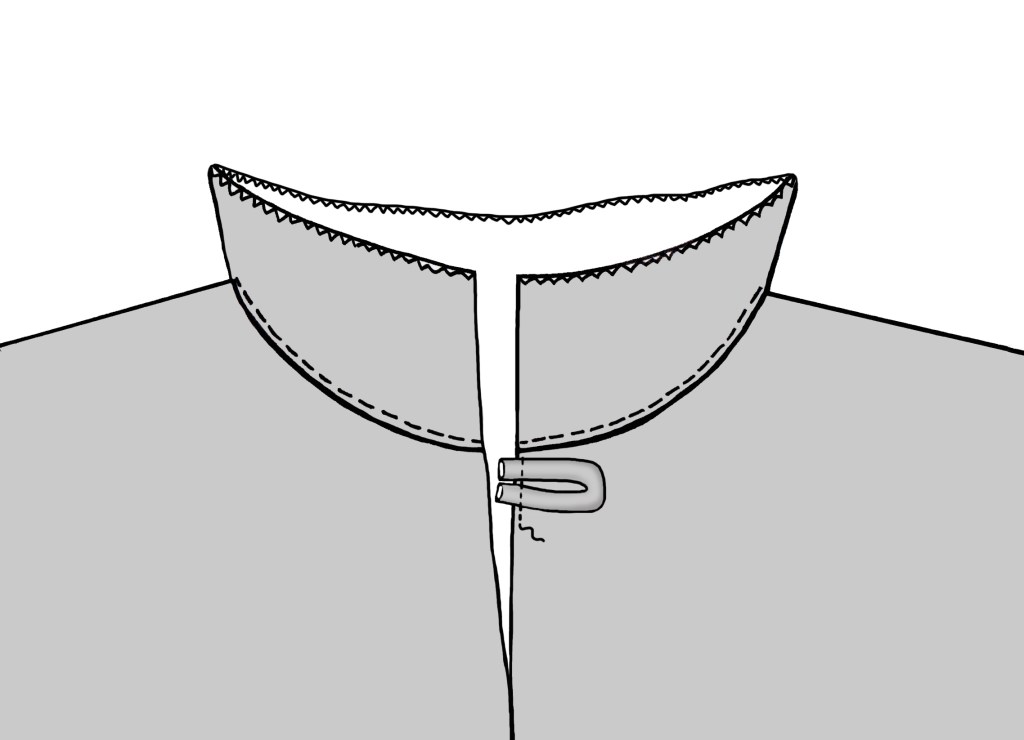
So with Option B you don’t insert a placket or use bias binding around the neckline like you do with Version A. I thought that some people would like to try it without the binding, so here are a few illustrations to give you an idea about how its done.


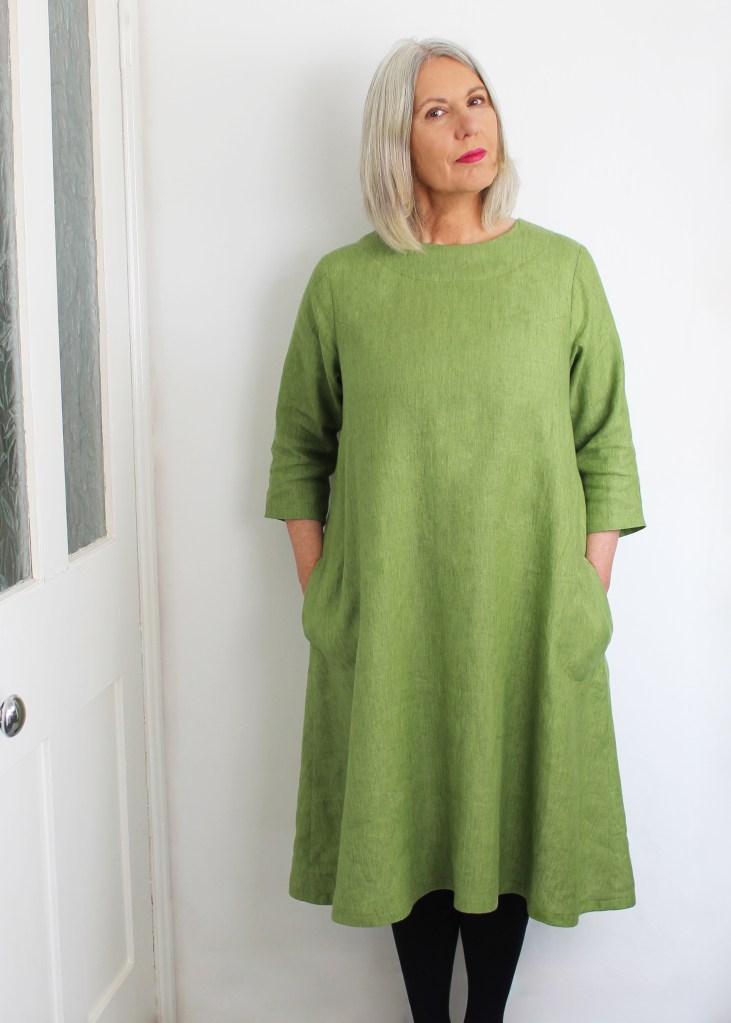
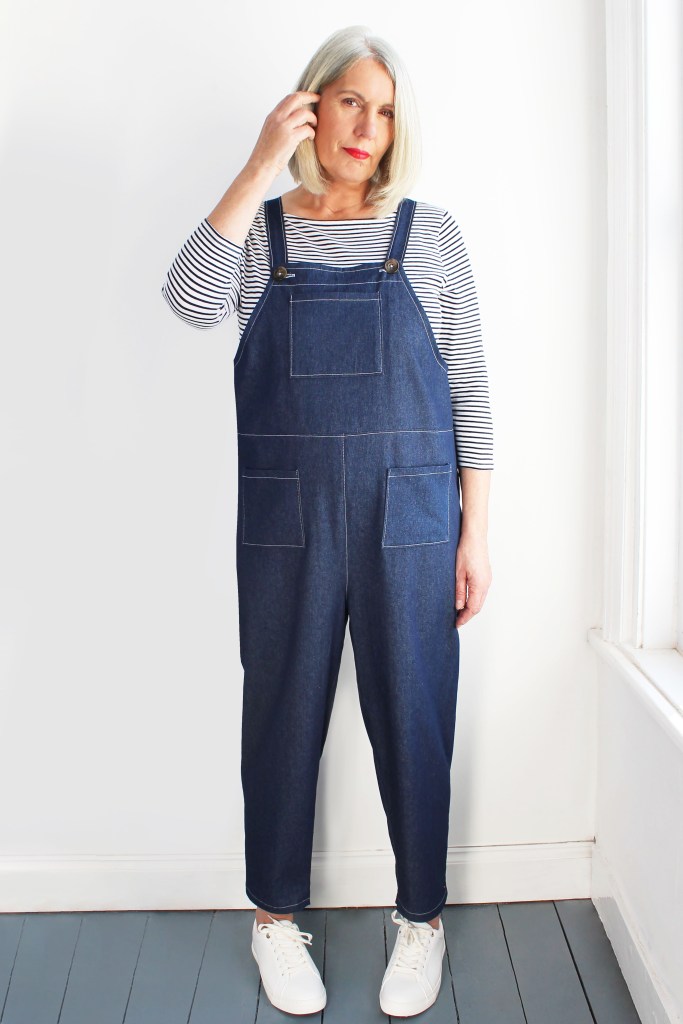
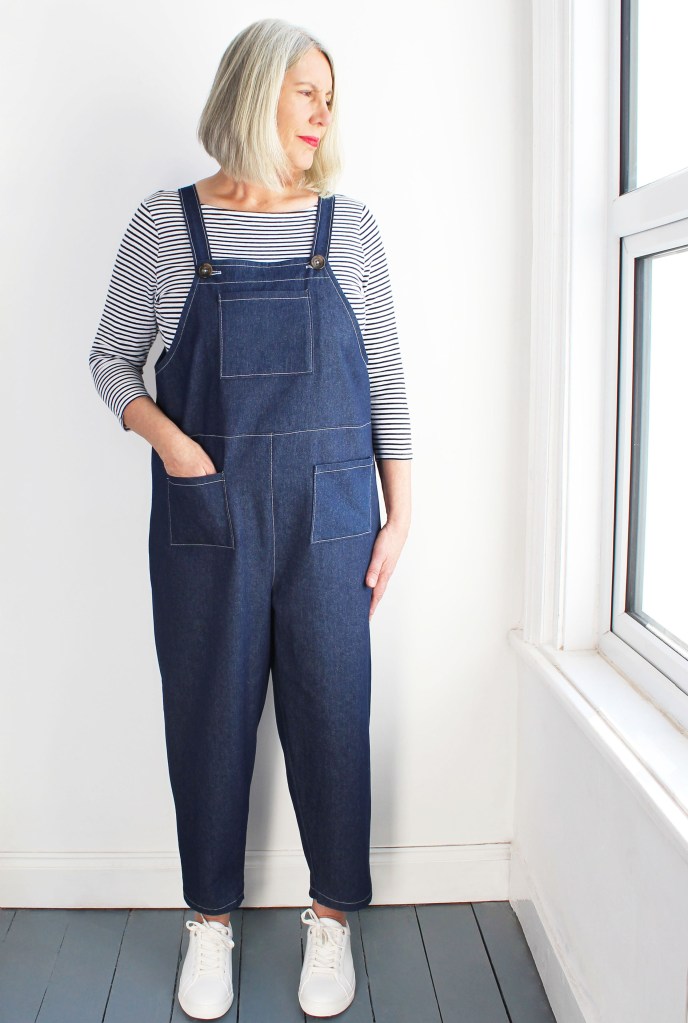
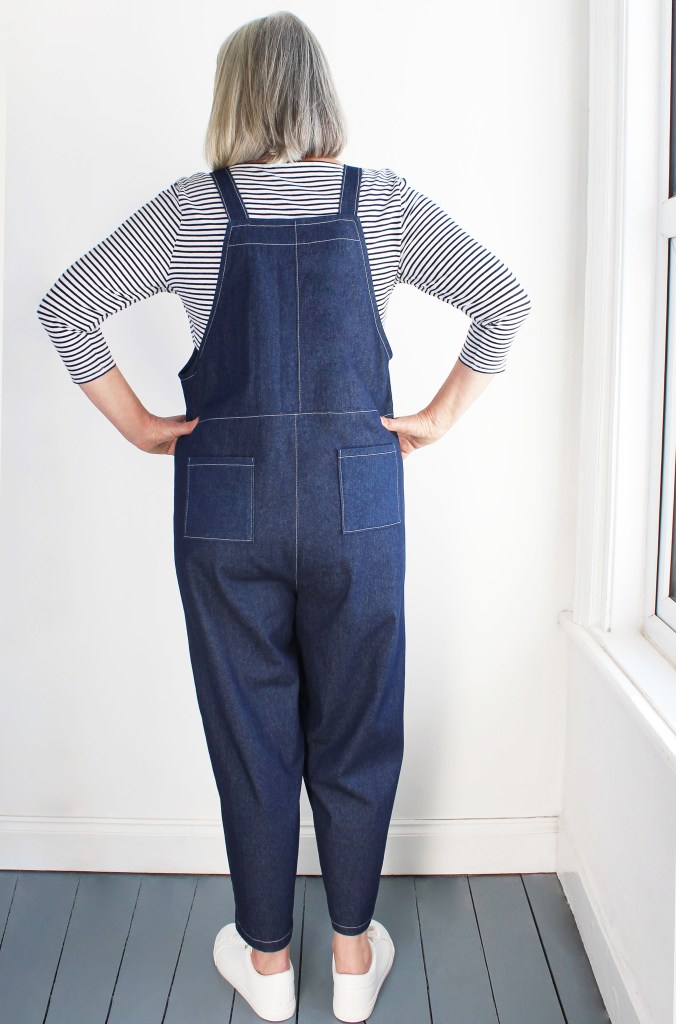
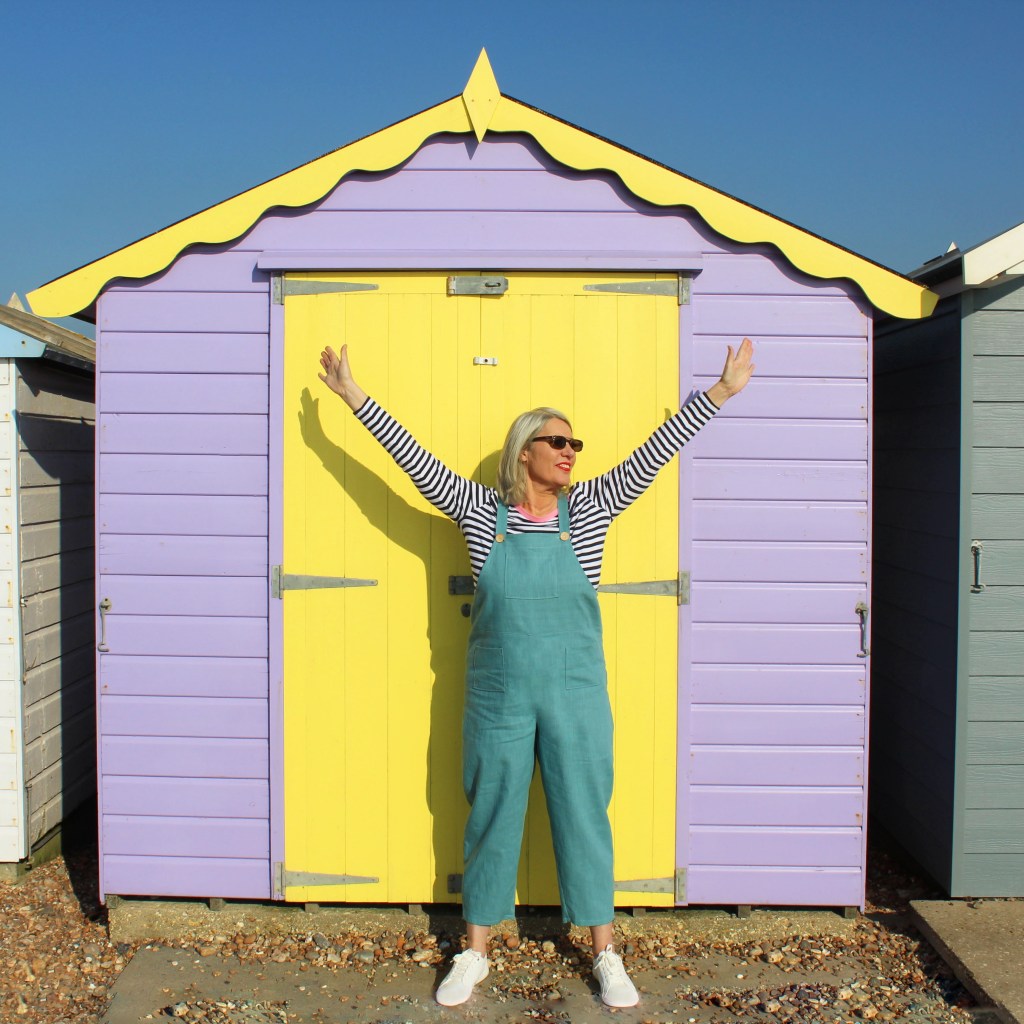
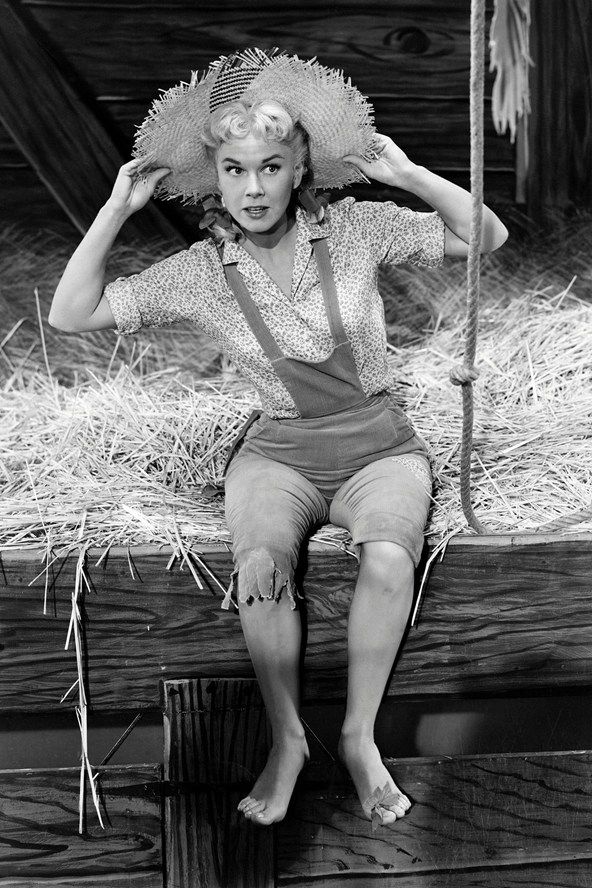
Woohoo! Here it is! A fab pair of loose fitting dungarees, inspired by one of my all time heros… Doris Day! Here she is, what a woman!
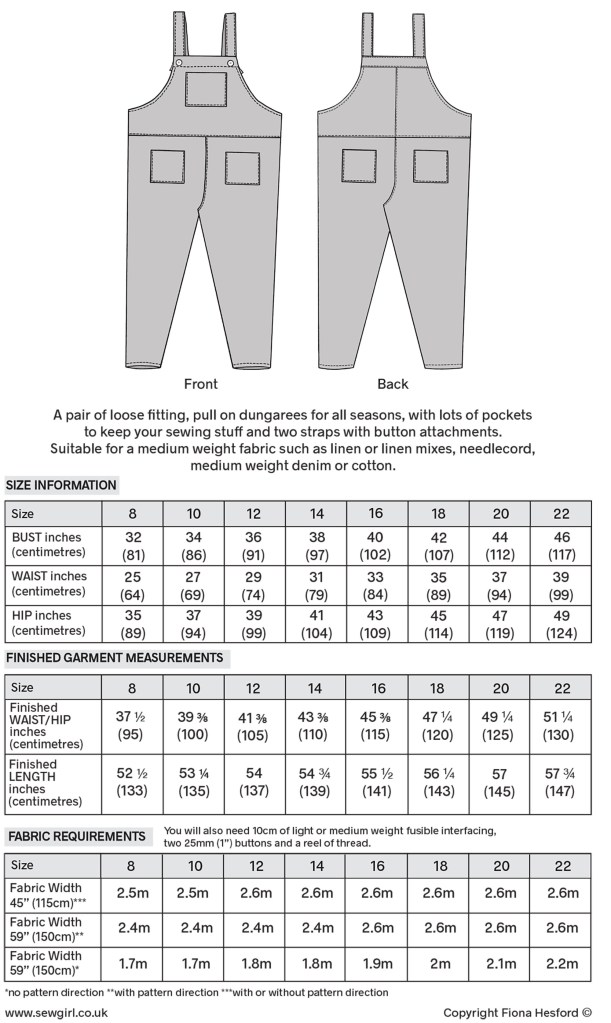
These dungarees are designed to feel comfortable as well as stylish. Make them in denim will give them a practical utility look or linen for being a little more on the classy side. Wear them with pumps, sandals, flip flops, clogs or boots and a crisp plain or stripy tee underneath or maybe even a pretty floral top (Peggy) underneath also looks fab.
I have a growing collection of suitable fabrics on my Etsy shop such as 8oz denim and linen in lots of gorgeous colours, so take a peek, you might be tempted.
There is also a kit available, containing the pattern, choice of linen or denim fabric, interfacing, buttons and thread all packed up in a lovely kraft bag.


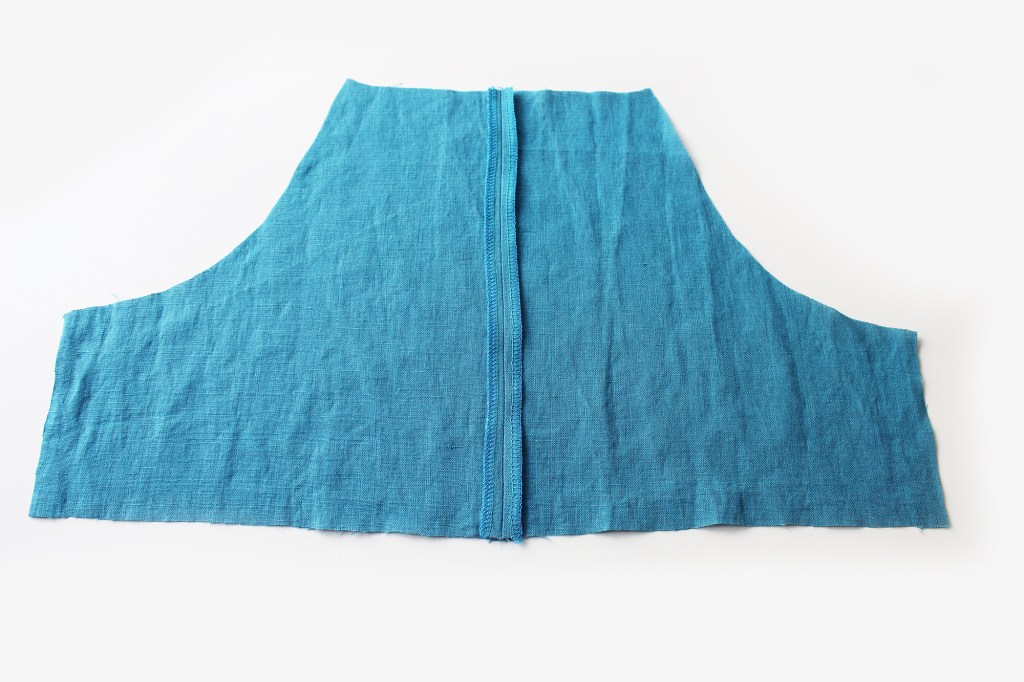
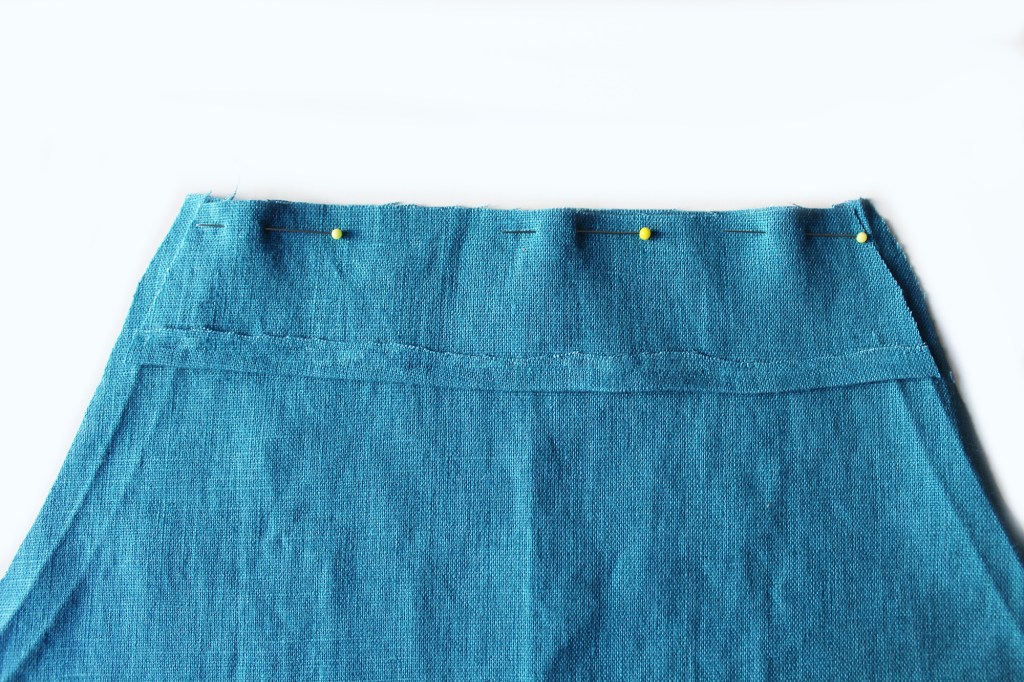
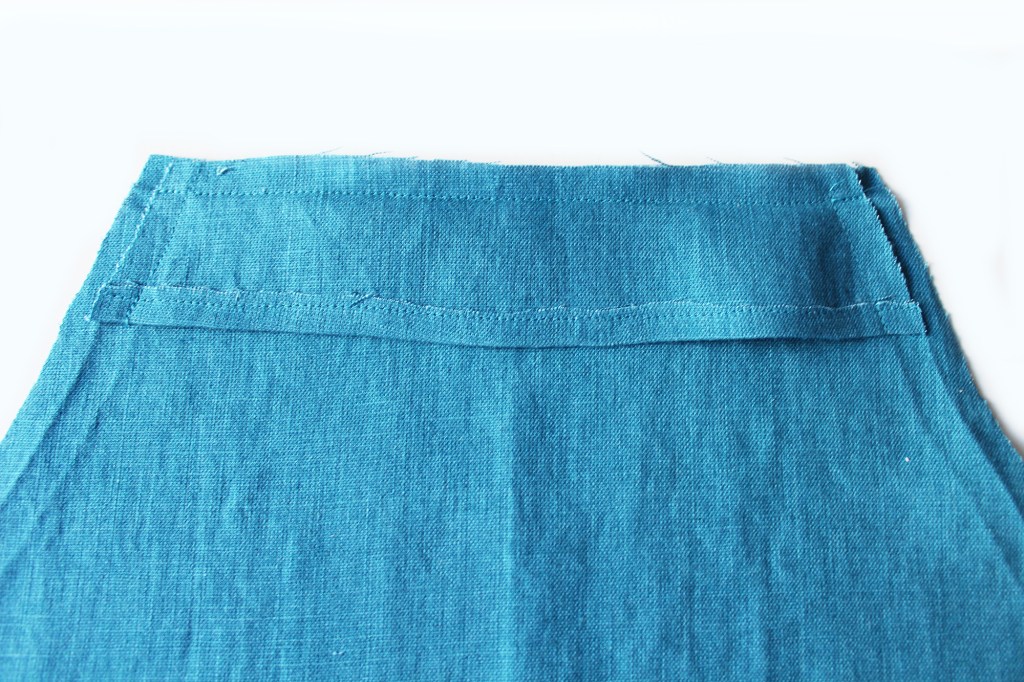
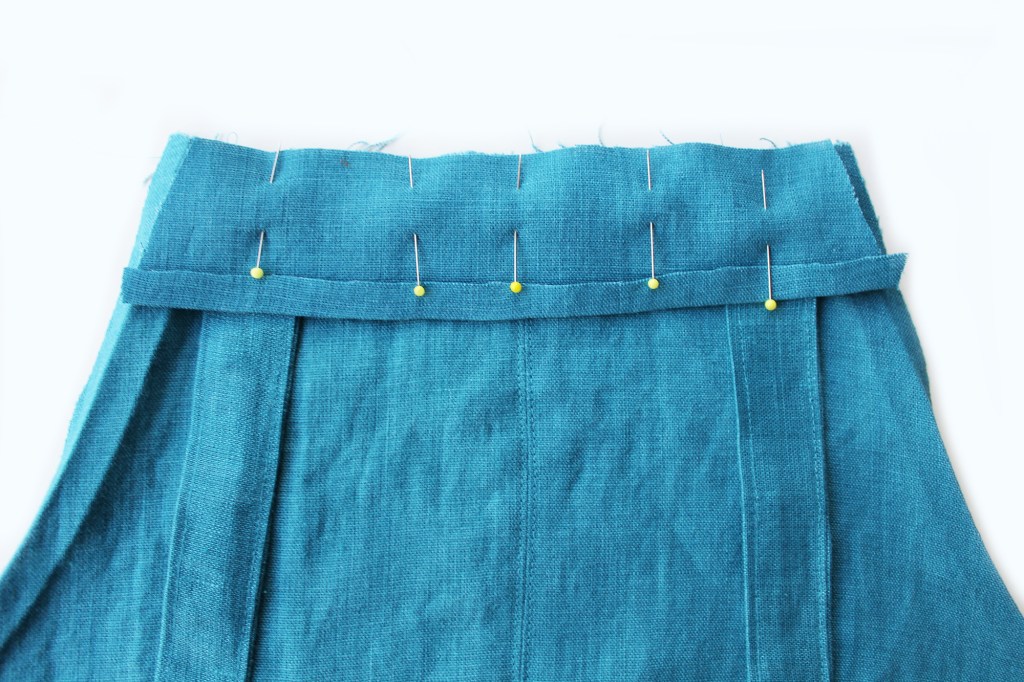
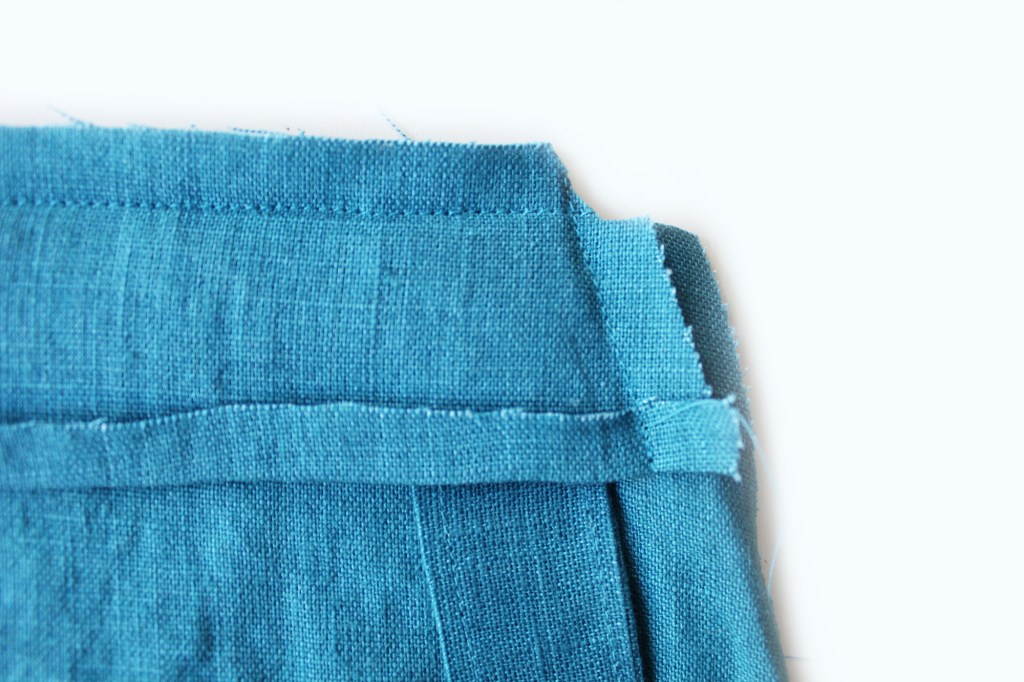
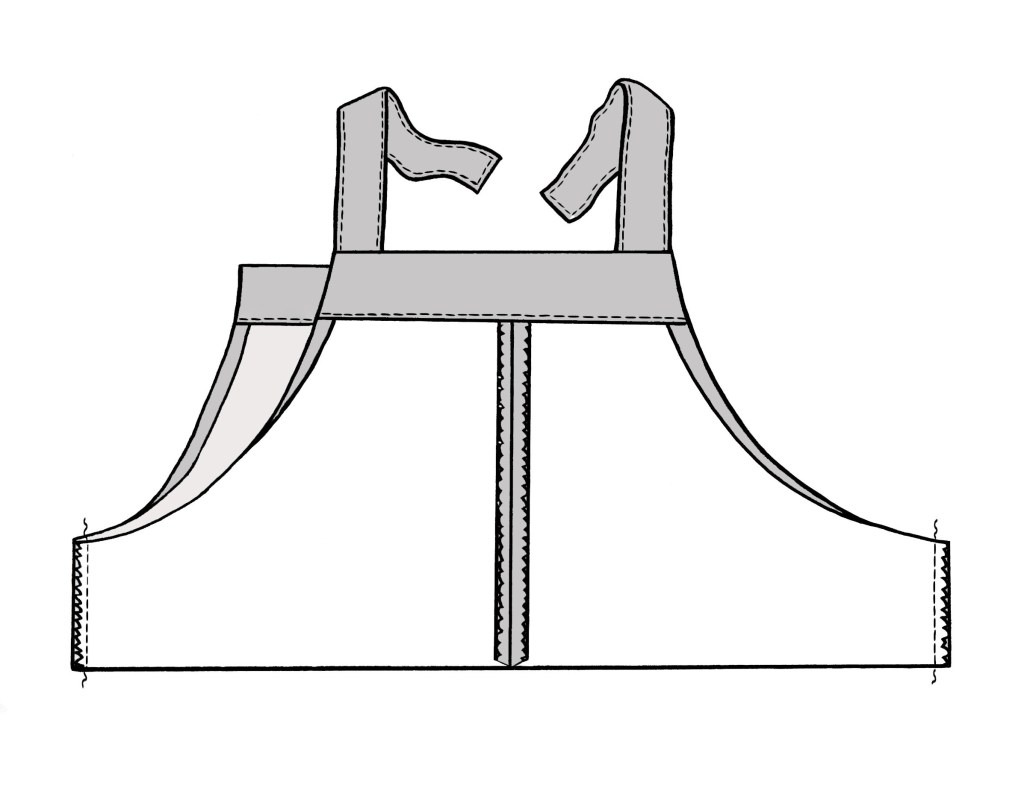
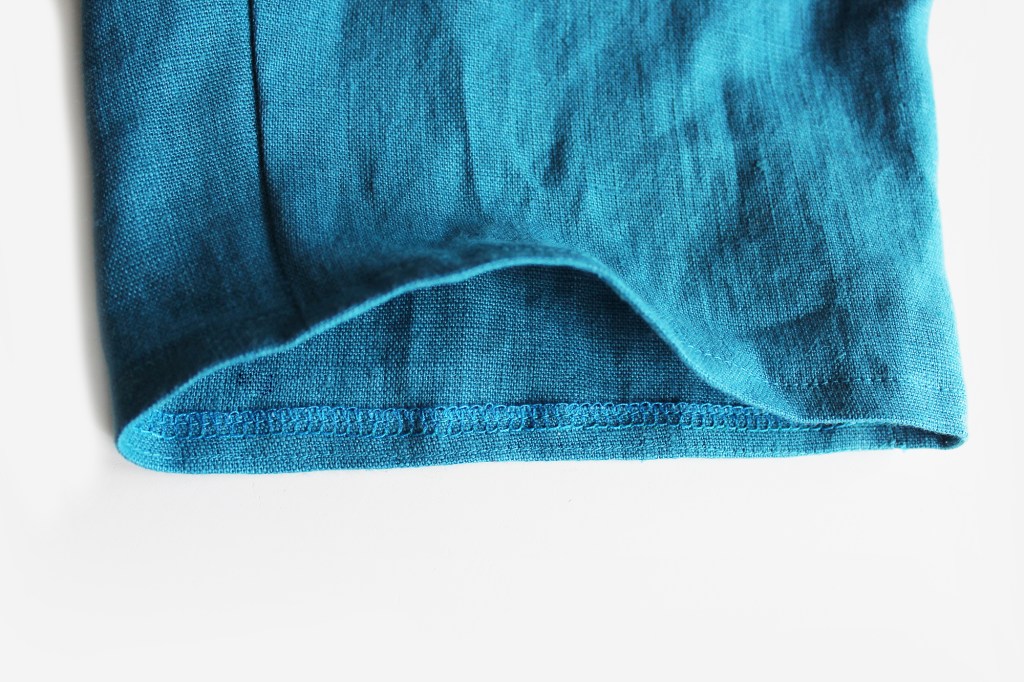
HOW TO MAKE DORIS DUNGAREES
please note that this is a guide only, the pattern instructions are in a slightly different order.











All images are protected by copyright by Fiona Hesford (Sewgirl).
Please do not copy or use any images on this blog without prior permission. Thank you!
 sewgirlblog.com
